
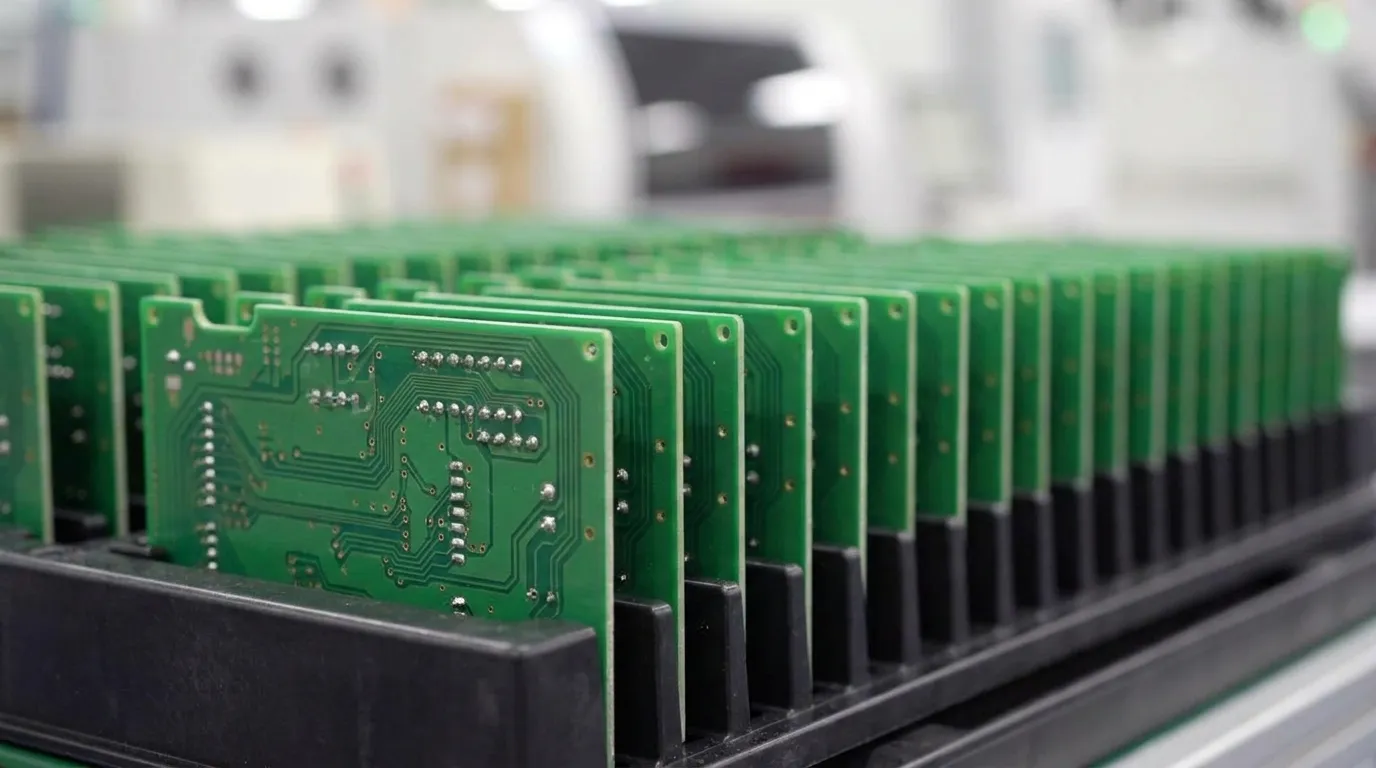
Why IPC Class 3 and a Single Accountable Partner Matter
- IPC Class 3 assembly services represent the highest tier of PCB workmanship for continuous operation in critical environments with life, mission or regulatory consequences.
- Class 3 standards mandate 100% inspection, exact solder joint geometry, full traceability and certifications such as AS9100, ITAR and Nadcap beyond ISO 9001 alone.
- Pro-Active Engineering delivers IPC Class 3 services through one integrated U.S. workflow covering design, prototyping, assembly, interconnect, thermal management, coating and system integration.
- Domestic ITAR-registered manufacturing reduces risks from offshore fabrication such as IP exposure, shipping delays and compliance gaps for aerospace, defense and medical programs.
- Pro-Active Engineering provides certified quality systems, advanced inspection and single-partner accountability for high-reliability Class 3 programs, and teams can discuss Class 3 program requirements directly with its engineers.
IPC Class 3 Standard for High-Reliability Electronics
IPC-A-610 Class 3 defines the strictest acceptance criteria for electronic assemblies intended for continuous operation in harsh or critical environments. It governs solder joint geometry, wetting, cleanliness and inspection scope. J-STD-001 complements IPC-A-610 by defining soldering process requirements such as materials qualification, reflow and wave solder controls, ESD handling and operator certification.
Together, these standards require that every solder joint meet exact geometry and wetting specifications. This precision is verified through 100% inspection using Automated Optical Inspection, X-ray and functional testing. Complete documentation then links each assembly to its operators, materials and process records, creating an auditable chain from process to outcome.
Pro-Active Engineering holds ISO 9001:2015 and AS9100 certifications, Nadcap accreditation and ITAR registration. These credentials form the quality infrastructure that makes disciplined Class 3 execution repeatable across programs and production volumes.
Key Differences Between IPC Class 3 and Class 2
IPC Class 2 assemblies target dedicated-service electronics where long life is desired but uninterrupted operation is not mandatory. Class 2 permits sample-based inspection and tolerates minor cosmetic imperfections in solder joints. Class 3 removes those allowances and tightens every aspect of workmanship and verification.
Under IPC-A-610 Class 3, solder bridging carries zero tolerance. Component alignment requirements are tighter and BGA voiding limits are stricter. Annular ring minimums are larger, with no drill breakout permitted. Inspection shifts from statistical sampling to 100% coverage, including X-ray for hidden joints on BGAs and bottom-terminated components.
Operators must hold current J-STD-001 certification and inspectors must hold current IPC-A-610 certification. Recertification occurs on a defined cycle to maintain Class 3 proficiency. A board that passes Class 2 inspection may have joints rejected under Class 3 criteria, which raises regulatory and field performance risk when the wrong class is specified.
Pro-Active Engineering uses an integrated DFM process to align designs with Class 3 requirements before production begins. Design and manufacturing operate within one workflow, so Class 3 criteria are built into the design phase rather than discovered at inspection.
Class 3 Requirements in Aerospace, Defense and Medical Programs
These stringent Class 3 requirements exist because certain industries cannot tolerate the failure modes that Class 2 permits. Aerospace and avionics systems require IPC Class 3 because failure can result in loss of aircraft or personnel risk. Flight hardware must withstand wide temperature swings, sustained vibration and extended service cycles without degradation.
Satellite electronics are typically designed for many years of continuous operation with near-zero failure tolerance. In-field repair is not possible, so workmanship and inspection standards must support long-duration reliability.
Defense applications, including C4ISR electronics and tactical communications, often reference MIL-STD specifications and require ITAR-controlled manufacturing environments in addition to IPC Class 3. These programs combine high reliability with strict security and traceability expectations.
Medical device PCBAs, including implantables such as pacemakers and cochlear implants, life-support systems and surgical equipment, are specified to IPC-A-610 Class 3 because failure could result in injury or death. Growth in chronic conditions and an aging population increases demand for medical PCB programs that require Class 3 workmanship.
Pro-Active Engineering supports aerospace, defense and medical programs through advanced interconnect capabilities, including wire bonding, flip chip assembly and hybrid high-density assemblies. Thermal management solutions such as silver sintering, direct thermal path technology and heavy copper integration address compact, high-performance and thermally demanding requirements common across mission-critical programs.
Certifications and Testing Required for Class 3 Assemblies
AS9100 is the quality management system required for many aerospace programs and builds on ISO 9001 with added expectations for risk management, traceability, corrective action and supplier control. Aerospace customers often specify AS9100 alongside IPC Class 3 compliance in program documentation.
ITAR registration and controlled technical data handling are required for defense and military programs that specify IPC Class 3 assembly. JCP certification (DD Form 2345) supports access to military specifications and standards. Nadcap accreditation provides independent third-party validation of special process controls relevant to aerospace and defense manufacturing.
ISO 9001 certification alone does not ensure IPC compliance. A manufacturer quality manual must explicitly reference IPC-A-610 and J-STD-001 workmanship standards. Pro-Active Engineering quality systems, backed by the certifications noted earlier, reference these standards directly and are supported by SiliconExpert for BOM scrubbing and counterfeit avoidance per SAE AS5553B, Manex ERP for real-time operational traceability and NIST 800-171 alignment for secure data handling.
End-to-end documentation at Pro-Active Engineering links each assembly to operator certification records, solder paste and flux lot codes, component date codes, AOI results, X-ray inspection data and functional test outcomes. This record set satisfies full traceability requirements for IPC Class 3 programs across aerospace, defense and medical sectors.
Checklist for Evaluating an IPC Class 3 Assembly Partner
Evaluation of a Class 3 assembly partner should focus on technical capability, compliance infrastructure and program management discipline. The following checklist reflects criteria that matter most for aerospace, defense and medical OEMs.
- Certifications on file: AS9100, ISO 9001:2015, ITAR registration, Nadcap accreditation, JCP certification and current IPC-A-610 and J-STD-001 operator credentials.
- Inspection infrastructure: AOI and X-ray systems capable of evaluating hidden joints on BGAs and bottom-terminated components, plus functional and in-circuit testing.
- Traceability systems: Unit-level serialized records linking materials, operators, equipment and test results to each assembly.
- DFM integration: Engineering and manufacturing operating within a shared workflow so Class 3 requirements are addressed at the design stage, not at inspection.
- Prototype-to-production scalability: The ability to build prototypes using full production processes so validated builds transfer without yield loss.
- Domestic ITAR-compliant manufacturing: A U.S.-based facility with documented access controls, data-handling procedures and personnel training records aligned to DDTC requirements.
- Single-partner accountability: Design, assembly, coating, testing and box build managed under one roof to reduce supplier interface risk.
Pro-Active Engineering satisfies each of these criteria through its integrated Wisconsin facility, certified quality management system and engineering-led manufacturing model.
Let our team evaluate your program against this checklist directly.
Why Domestic ITAR-Registered Manufacturing Protects Class 3 Programs
U.S. manufacturing is the required choice for ITAR and defense-grade Class 3 assembly because regulated material sourcing, full IP containment and NDAA compliance must be controlled. Offshore fabrication introduces risks such as design replication, shipping delays and yield loss that increase total program cost and schedule exposure.
Section 301 tariffs and the CHIPS and Science Act accelerate domestic electronics manufacturing and reshape sourcing decisions for regulated industries toward U.S. partners. For programs where traceability, security and compliance are nonnegotiable, domestic manufacturing functions as the practical path forward.
Pro-Active Engineering facilities in Sun Prairie, Wisconsin consolidate services from PCB design and firmware development through assembly, coating, testing and box build under one roof. ITAR registration, documented access controls and personnel training records aligned to DDTC requirements ensure that controlled technical data is handled appropriately throughout the program lifecycle. This structure reduces fragmentation risk that arises when design, assembly and integration are distributed across multiple vendors.
Frequently Asked Questions
Lifecycle Stages Supported for IPC Class 3 Programs
Pro-Active Engineering supports the full program lifecycle from initial concept through high-volume production. Services include PCB layout and schematic design, embedded control and firmware development, DFM review, rapid prototyping through the dedicated Speed Shop, scalable PCB assembly, conformal coating and potting, box build and full system integration and functional and in-circuit testing. Programs that begin with a prototype can remain with Pro-Active Engineering through production without a supplier transition.
Technologies and Assembly Methods Under Class 3 Standards
Pro-Active Engineering supports surface mount and through-hole assembly, 100% Automated Optical Inspection, X-ray inspection for hidden solder joints, flying probe and in-circuit testing, functional testing, conformal coating and potting and box build integration. Advanced interconnect and thermal management capabilities described earlier are executed to IPC-A-610 Class 3 and J-STD-001 workmanship standards so specialized processes receive the same quality rigor as standard assembly.
Engineering Collaboration from Design Through Production
Engineering and manufacturing operate within a single integrated workflow at Pro-Active Engineering. DFM review occurs during the design phase, not as a separate gate after design completion. Manufacturability, sourcing resilience and quality planning are addressed before a board reaches production.
Regular design reviews, real-time program updates and transparent reporting keep program stakeholders informed throughout development and production. Customers maintain full oversight while accessing Pro-Active Engineering engineering depth.
IP and Data-Security Measures for Class 3 Programs
Pro-Active Engineering is ITAR registered with the U.S. Department of State. The access controls and data-handling procedures noted earlier are complemented by foreign-national access restrictions per DDTC requirements and NIST 800-171 alignment for programs involving Controlled Unclassified Information. All technical data associated with customer programs is handled within a controlled domestic environment. Specific system architecture and security implementation details are not disclosed publicly.
Onboarding Expectations for New Class 3 Programs
Pro-Active Engineering onboarding is structured to minimize disruption for programs transitioning from another supplier or moving from prototype to production. New programs typically begin with a review of design files, BOM and applicable IPC class requirements. DFM feedback is provided before production release.
For programs with compliance requirements, Pro-Active Engineering quality teams align documentation, traceability and inspection protocols to applicable standards such as AS9100, ITAR, Nadcap, IPC-A-610 Class 3 and J-STD-001 before the first build. Pilot builds are available for programs where a phased transition is preferred.
Conclusion: A Single Domestic Partner for IPC Class 3 Success
IPC Class 3 assembly services demand a manufacturing partner with certified quality systems, advanced inspection infrastructure, full traceability and an integrated engineering-to-production workflow. Vendor fragmentation, late-stage manufacturability issues and compliance gaps create primary risks that undermine high-reliability programs in aerospace, defense and medical sectors.
Pro-Active Engineering addresses these risks through a single accountable domestic partnership. ISO 9001:2015, AS9100, Nadcap, ITAR registration, JCP certification and IPC-A-610 Class 3 and J-STD-001 compliance form the foundation. Advanced interconnect, thermal management, rapid prototyping and box build capabilities provide differentiation, with one facility and one workflow from concept through production.
Start the conversation about your IPC Class 3 program with Pro-Active Engineering teams.