Conformal coating documentation links every material lot, process step, inspection result and rework action to a unique assembly identifier for IPC Class 3 and AS9100/ITAR compliance.
A complete documentation package includes engineering drawings, approved material lists, process travelers, personnel certifications, inspection reports, rework records and Certificates of Conformance.
Material lot records capture supplier CoCs, lot numbers, shelf-life data and inventory tracking to maintain traceability from raw material to finished assembly.
Process parameter logging, inspection records and rework documentation provide objective evidence that coating was applied and verified within validated process limits.
Pro-Active Engineering consolidates all documentation, traceability and compliance steps under one ITAR-registered roof. Get a documentation readiness assessment with the proposal.
Core Records in a Conformal Coating Documentation Package
A complete documentation package for conformal coating in regulated programs includes the following core records.
Engineering drawing or work order calling out the applicable coating specification
Approved material list with qualified coating chemistry and lot identification
Detailed process instructions or traveler linked to the assembly serial number
Personnel certification records for IPC-A-610 Class 3 inspectors and operators
Inspection reports with accept or reject disposition and inspector sign-off
Rework records for any assembly requiring coating removal or recoat
Certificate of Conformance referencing applicable standards
IPC-A-610 provides acceptance criteria for workmanship, including conformal coating criteria, for assemblies at different product classes. OEM audits in aerospace, defense and medical sectors demand traceable proof that each assembly meets the correct class requirements.
Material Lot Records that Anchor Traceability
Lot-level records anchor the traceability chain to the physical materials applied to each assembly. Required elements include:
Coating material manufacturer name and product designation
Lot number and date code from the material container label
Certificate of Conformance from the material supplier referencing IPC-CC-830 qualification
Shelf-life expiration date and storage condition log
Quantity consumed per job and remaining inventory balance
Any material nonconformance or quarantine action tied to the lot
IPC-CC-830 remains the current commercial benchmark for conformal coating qualification, and documentation packages record the coating type against the applicable standard revision. Aerospace and defense industries maintain records for certificates of conformance as required by contracts, standards such as EN 9130 or regulations, which makes lot-level supplier CoCs a defined retention item for those programs.
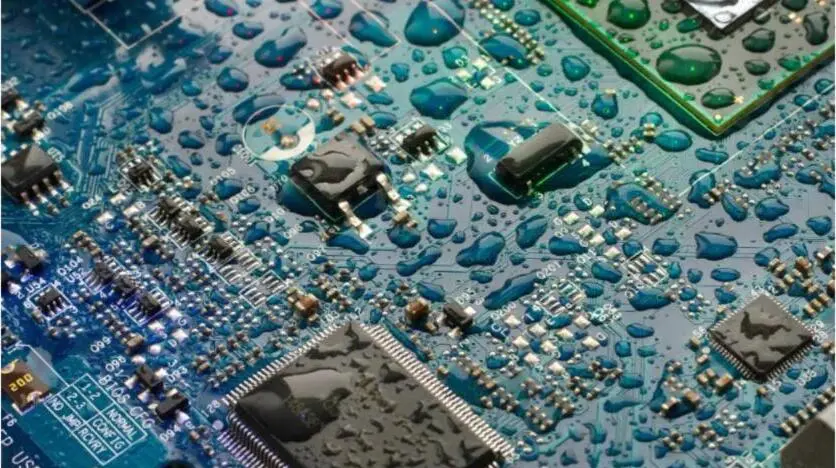
Conformal coating and ruggedization protect boards in harsh environments — moisture, dust, and thermal stress. Engineered coatings extend service life for mission-critical electronics.
Once material traceability is established through lot records, the next documentation layer captures how those materials were applied to each assembly.
Process parameter logs capture the conditions under which coating was applied and cured and provide objective evidence that the process remained within its validated envelope. Disciplined logging practices include:
Record the application method for each job on the traveler
Log operator identity and certification status at each process step
Document cure cycle profile by reference to the validated process instruction
Note any deviations from the standard process instruction and link them to a nonconformance record
Capture equipment identification and calibration status at time of use
Retain process parameter data in a format that supports statistical process control review
Inspection and rework records close the loop between process execution and conformance evidence. Required elements include:
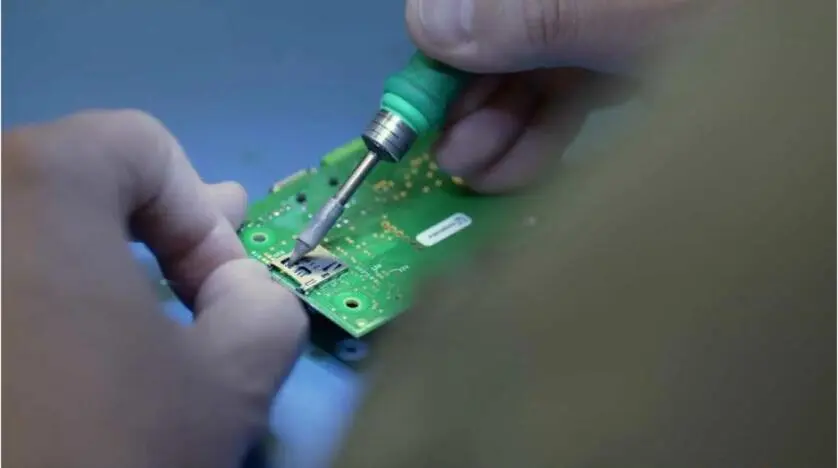
Certified workmanship where it counts. Hand soldering and rework to IPC-A-610 and J-STD-001, with IPC-7711/7722 repair standards — precision that automated lines can't reach alone.
Inspection method used (visual, automated optical, UV fluorescence) with equipment identification
Acceptance criteria class referenced (IPC-A-610 Class 3) on every inspection record
Coverage evaluation results with defect descriptions and photographs including a reference scale
Keep-out zone verification confirming no coating on connectors, test points or masked areas
Inspector name, certification level and date of inspection
Rework authorization referencing IPC-7711/7722 for removal and recoat procedures
Post-rework reinspection record with the same elements as the original inspection
Rework records document the removal and recoating procedures, materials used and inspection results to demonstrate that the rework remained within controlled workmanship requirements.
Traceability Chain from Serial Number to Certificate of Conformance
The traceability chain connects every record generated during coating to the finished assembly Certificate of Conformance. The chain follows these steps:
Assign a unique serial number or assembly identifier at job entry
Link the material lot record to the serial number at coating setup
Attach the process traveler with operator and parameter log entries to the serial number
Record inspection results and any rework actions against the serial number
Compile the complete record package and perform a quality review
Issue the Certificate of Conformance referencing the serial number, applicable standards and disposition
Traceability Matrix: A traceability matrix maps each record type to its governing standard, retention period and responsible owner and provides a single reference document for audit preparation.
Pro-Active Engineering provides a traceability matrix template as part of every program kickoff package. Receive the traceability matrix template with the proposal.
The Certificate of Conformance issued in step 6 serves as the final output of the traceability chain. It generally includes supplier identification, product description, specification references and a conformity declaration along with other details as required by the specific contract or standard. Electronic CoCs are acceptable when they include valid electronic signatures that meet applicable standards.
Digital Barcode and QR Identification for Faster Retrieval
Digital identification methods accelerate record retrieval and reduce transcription errors throughout the coating process. Best practices include:
Assign each assembly a unique barcode or QR code at job entry and print it on the traveler and assembly label
Encode the serial number, part number and lot reference in the symbol to support multilayer linking
Scan the assembly identifier at each process step to create a timestamped, operator-attributed event record
Archive automated optical inspection images against the scanned serial number in the quality record system
Verify barcode print quality against applicable ISO or ANSI grading standards on the actual substrate
Integrate scan data with the ERP or MES in real time to maintain a single system of record
Conduct periodic audits of scan accuracy and symbol readability to sustain compliance
Mapping each documentation element to its governing standard prevents gaps that auditors flag as systemic failures. Key mapping points include:
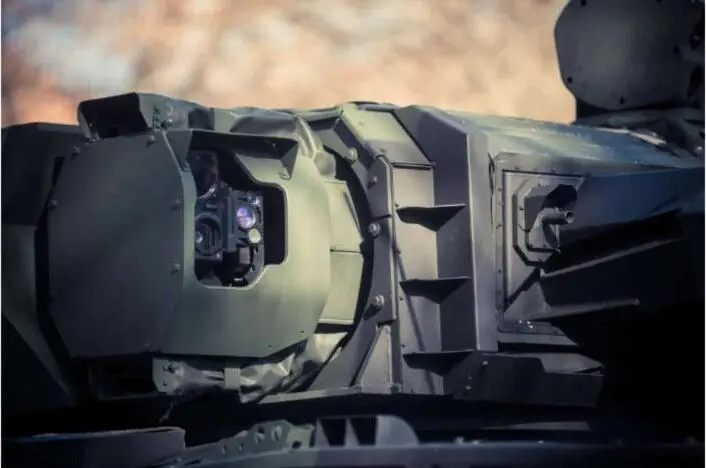
ITAR-registered manufacturing for aerospace and defense. Ruggedized, traceable, high-reliability assemblies — certified to Navy and Army specifications — built for durability and program longevity.
IPC-CC-830 governs material qualification, and the approved material list references the current standard revision and the coating chemistry family.
IPC-A-610J Class 3 governs workmanship acceptability, and inspection records cite the revision and class on every report.
AS9100 Clause 8.5.2 requires identification and traceability throughout production, and the serial-number-to-CoC chain satisfies this clause.
AS9100 Clause 8.5.3 requires preservation of conformity, and packaging and handling records for coated assemblies support this clause.
AS9100 Clause 7.5 requires control of documented information, and the record retention schedule defines format, storage and disposition for every record type.
ITAR registration requires access controls and data-handling procedures for controlled technical data embedded in coating process documentation.
Audit Readiness Checklist for Coating Documentation
An audit-ready documentation package satisfies auditor requests without reconstruction of records after the fact. The checklist below covers the core elements:
Engineering drawing or work order on file with the correct coating specification callout
Approved material list current and referencing IPC-CC-830 qualified materials
Supplier CoCs on file for every material lot consumed, with lot numbers linked to assembly serial numbers
Process travelers complete with operator IDs, certification references and step-level sign-offs
Equipment calibration records current for all coating and inspection equipment used
Inspection reports citing IPC-A-610J Class 3 criteria with defect photographs where applicable
Rework records present for any assembly that required coating removal or recoat
Personnel certification records current (IPC-A-610 CIS or CIT renewed within the required cycle)
Certificate of Conformance issued and on file with authorized signature and standard references
Record retention schedule documented and accessible to the quality team
ITAR data-handling procedures applied to all controlled technical data in the documentation package
What records must be retained to satisfy an AS9100 audit for conformal coating?
An AS9100 audit reviews documented information to verify conformance to requirements for processes including conformal coating. This review can include engineering drawings, material records, process travelers, inspection reports, personnel certifications and the Certificate of Conformance. Retention periods are contract-defined, and aerospace programs often retain these records for 10 years or the life of the program. Pro-Active Engineering maintains all of these records within a single integrated quality system, so the complete package is retrievable on demand.
How does a traceability chain connect a material lot to the Certificate of Conformance?
The chain begins when a unique serial number is assigned to the assembly at job entry. The material lot number from the supplier CoC is linked to that serial number at coating setup. The process traveler captures operator identity, process step sign-offs and equipment references against the same serial number. Inspection results and any rework actions are recorded against it. The quality team reviews the complete package and issues a Certificate of Conformance that references the serial number, applicable standards and final disposition. Every record in the chain is retrievable through the serial number and gives auditors a single thread to follow from raw material to conformance release.
What is the difference between IPC-CC-830 and IPC-A-610 in conformal coating documentation?
IPC-CC-830 is the material qualification standard. It defines the performance requirements a coating chemistry must meet to be approved for use, and documentation under this standard focuses on the approved material list and supplier certificates of conformance. IPC-A-610 is the workmanship acceptability standard. It defines what a correctly coated assembly must look like, and documentation under this standard focuses on inspection reports, defect photographs and inspector certification records. Both standards are used together in practice. The approved material list satisfies IPC-CC-830, and the inspection report satisfies IPC-A-610. A complete documentation package references both.
Why does vendor fragmentation increase audit risk in conformal coating programs?
When separate partners handle design, coating application, inspection and documentation, each handoff creates a potential gap in the record chain. The design partner may not communicate keep-out requirements to the coating partner. The coating partner may not format inspection records to the standard the documentation partner needs. The documentation partner may not have visibility into rework actions taken at the coating facility. Each gap becomes a finding in an audit. Consolidating all steps under one partner eliminates these handoffs. Pro-Active Engineering manages design, coating, inspection and documentation within a single workflow, so every record is generated, linked and retained in one quality system without translation between vendors.
How long must conformal coating records be retained for defense and aerospace programs?
FAR Subpart 4.7 establishes a baseline for contractor record retention on government contracts calculated from the end of the fiscal year in which the final cost entry is made. AS9100 does not define a fixed period and instead requires organizations to define retention based on customer contracts, product life and regulatory requirements. In practice, aerospace and defense programs often retain manufacturing and inspection records for 10 years or life of program. Certificates of conformance in aerospace programs are typically retained for the operational life of the product plus a fixed period (commonly 6–30 years) or for 10 years, per contractual and regulatory requirements. Calibration records are retained according to the applicable standards and contract terms. Pro-Active Engineering maintains a documented retention schedule that maps each record type to its governing requirement and ensures nothing is disposed of prematurely and everything is retrievable when an audit or investigation requires it.
What role does ITAR registration play in conformal coating documentation?
As noted in the compliance mapping section, ITAR registration requires documented access controls and data-handling procedures for controlled technical data. This requirement means the documentation package itself is subject to the same security requirements as the hardware it describes. Foreign-national access restrictions, personnel training records and data-handling logs form part of the compliance posture. Pro-Active Engineering is ITAR-registered and applies the required controls to all documentation generated for defense and aerospace programs, so the record package satisfies both the quality audit and the export-control review.
Conclusion
Conformal coating documentation and traceability provide verifiable evidence that an assembly was built correctly, inspected to the right standard and released by an authorized person. In IPC Class 3 and AS9100/ITAR environments, that evidence remains complete, linked and retrievable without reconstruction.
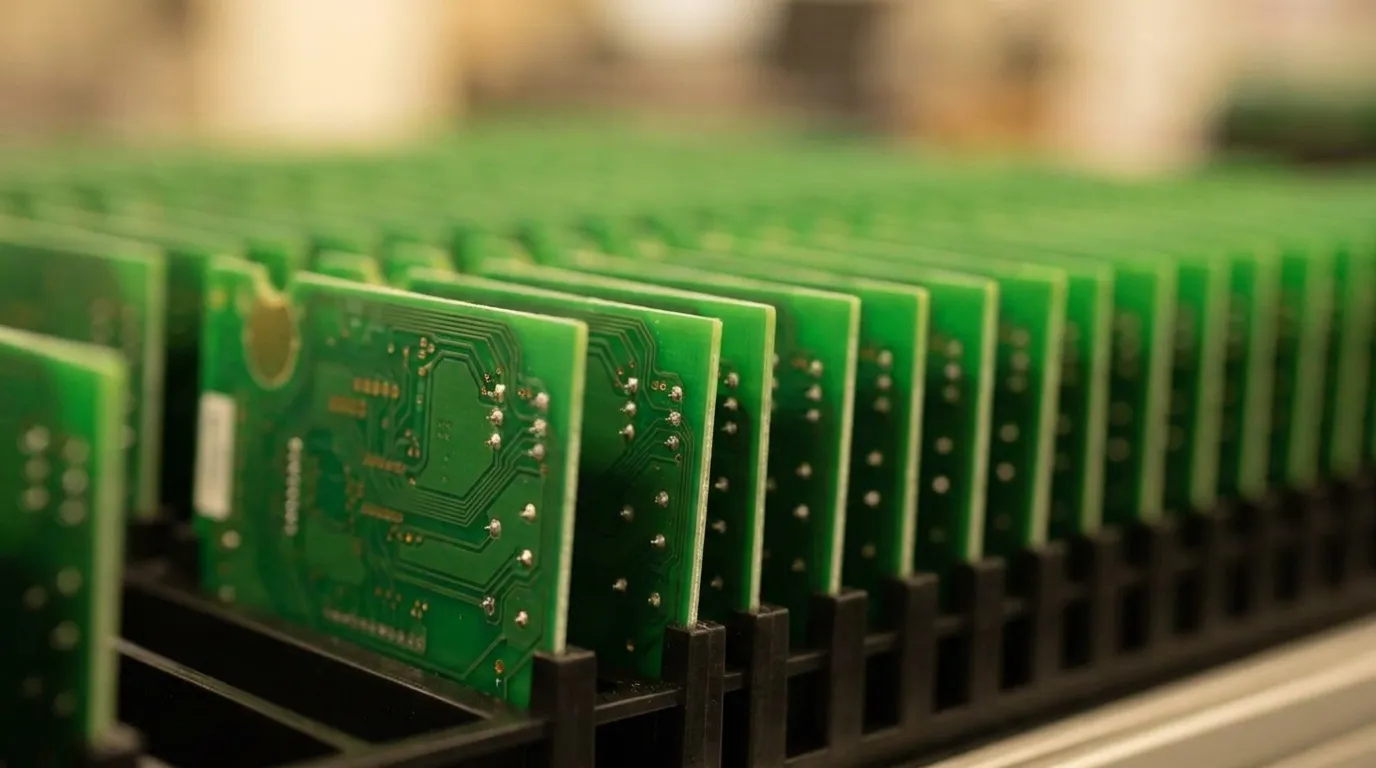
US-based printed circuit board manufacturing under one roof. Onshore, ITAR-compliant production means secure processes, reduced supply-chain risk, and full regulatory compliance from prototype to volume.
Vendor fragmentation often causes documentation gaps. When design, coating, inspection and record-keeping are distributed across separate partners, the chain can break at every handoff. Pro-Active Engineering removes that risk by consolidating every step from engineering drawing to Certificate of Conformance under one ITAR-registered roof in Sun Prairie, Wisconsin. The result is a single accountable partner, a single quality system and a documentation package that is audit-ready from day one.