
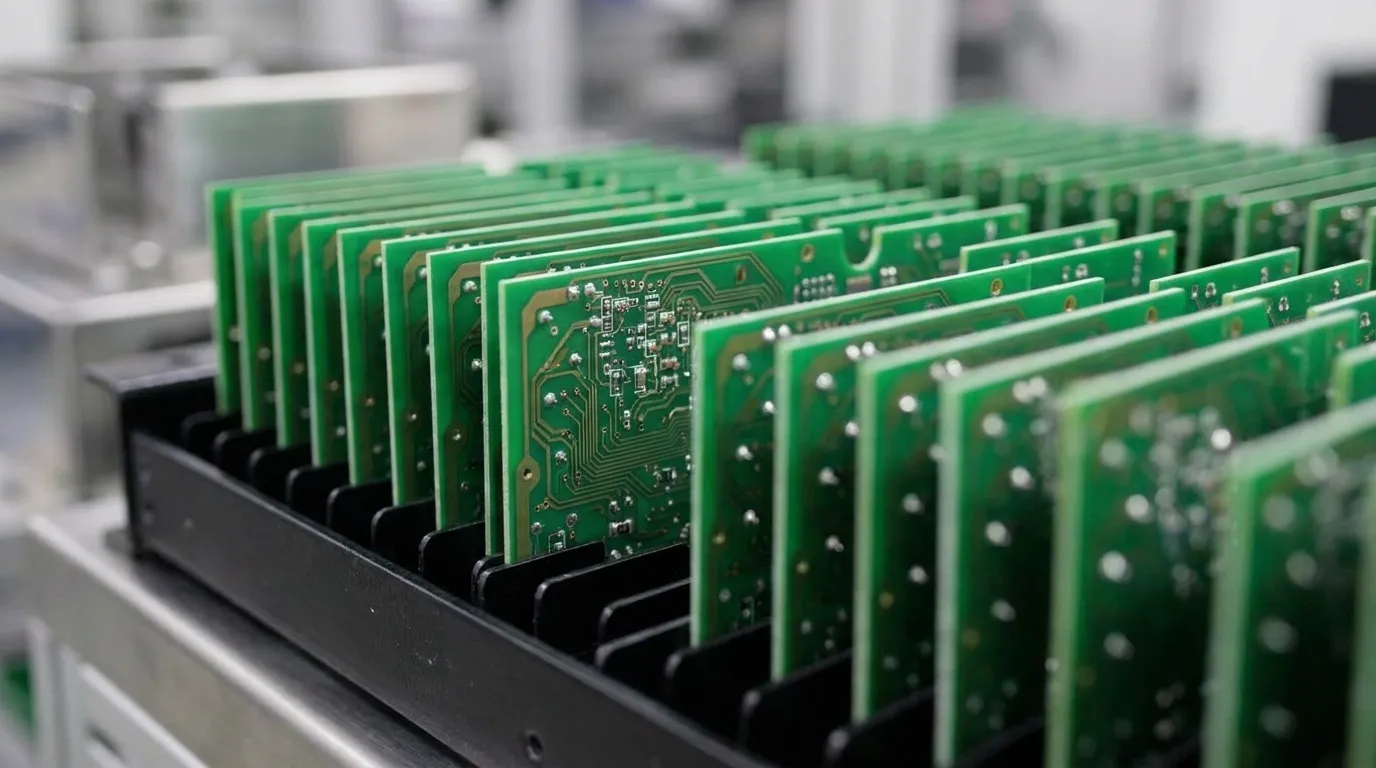
How Pro-Active Controls Box Build Tooling Costs
- Box build tooling and NRE costs rise when vendors are fragmented, design changes arrive late and compliance gaps appear after tooling.
- Early DFM and one accountable partner close handoff gaps where most NRE surprises start and keep regulated programs on budget.
- Major cost drivers, including custom enclosures, test fixtures, stencils and documentation, shrink when DFM happens before tooling is cut.
- Tooling cost stays fixed, while per-unit burden falls as volume grows, so realistic volume and clear amortization terms keep budgets accurate.
- Pro-Active Engineering delivers an integrated workflow, required certifications and engineering ownership for defense, aerospace and medical programs. Request a quote to launch with predictable NRE.
The Cost Problem Created by Fragmented Box Build Vendors
Vendor fragmentation drives most unplanned NRE. When design, prototyping and box build sit with separate suppliers, every handoff introduces new assumptions about geometry, tolerances and process capability. Issues that should surface during design instead appear during tooling, after molds are cut, fixtures are built and schedules are locked.
Each late-stage change triggers a chain of cost. A mold revision adds new tooling charges. A fixture redesign restarts first-article inspection. A compliance gap discovered at integration forces documentation rework and pushes delivery. Corrections made after tooling is cut rank among the most expensive interventions in a program lifecycle.
Regulated programs carry added risk. Defense, aerospace and medical builds require traceability, controlled documentation and strong compliance postures. Not every supplier maintains that level of control. When a non-compliant vendor surfaces mid-program, switching costs for re-qualification, new first articles and rebuilt documentation chains can exceed the original NRE budget.
Gain tooling cost clarity from day one by requesting a quote for a box build program.
Integrated Design-to-Box-Build Ownership at Pro-Active Engineering
Pro-Active Engineering runs PCB design, rapid prototyping, assembly, conformal coating, testing and full box build under one roof in Sun Prairie, Wisconsin. Design engineers and manufacturing engineers share one workflow. DFM feedback reaches the design team before any tooling is committed. First-article inspection, compliance documentation and traceability live inside the process instead of appearing as late add-ons.
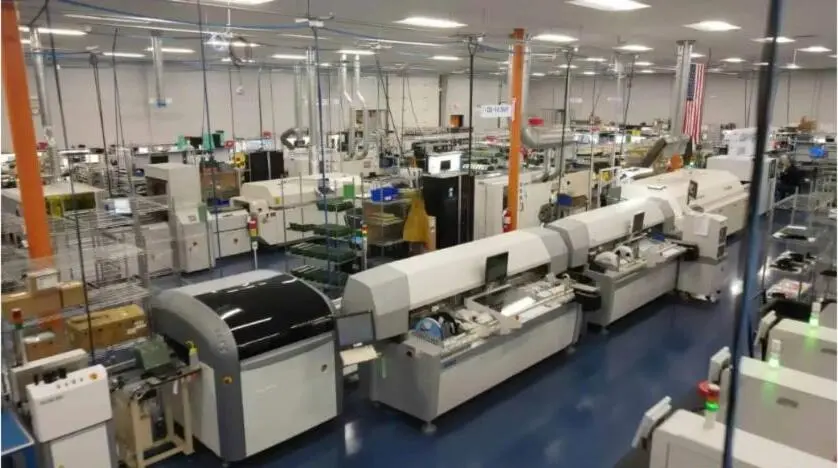
This structure closes the handoff gaps where NRE surprises start. When the team that designs the enclosure also builds and tests it, fixture changes and mold revisions become rare events instead of routine steps. For defense, aerospace and medical programs that require ITAR compliance, AS9100 certification, Nadcap accreditation and full traceability, one accountable partner removes the repeated compliance checks that fragmented vendor chains demand.
Where Box Build NRE Accumulates and How Early Engineering Cuts It
Clear visibility into NRE sources makes cost control practical. The main cost categories and related prevention tactics appear below.
Custom enclosures. Injection-molded and sheet-metal enclosures carry tooling costs that shift with complexity, material and production volume. Because these costs lock in once tooling begins, early DFM review that removes undercuts, standardizes wall thickness and simplifies non-cosmetic finishes reduces tooling cost before any cut is made.
Functional test fixtures. Test fixtures for PCBA production often represent one of the largest NRE line items, yet they amortize well across larger runs. Designing testability into the board layout with accessible test points, single-side SMD placement and standard connector positions lowers fixture complexity and cost.
Stencils and programming setup. Stencil setup, pick-and-place programming and first-article inspection remain fixed per unique design. Stable design before launch becomes a direct cost control lever. Revisions after stencils are cut reset these charges and extend schedules.
First-article inspection and compliance documentation. For regulated programs, first-article inspection is a one-time cost per revision. Qualification testing and documentation can represent a large share of total NRE. Supplying existing test data and material certifications at program launch trims this burden and shortens approval cycles.
How Production Volume Changes Per-Unit Tooling Burden
Tooling cost stays fixed, while per-unit burden does not. As production volume increases, the same upfront investment spreads across more units and lowers the per-unit cost share. Committed volume often has more impact on per-unit tooling cost than the tool price itself.
The pattern remains consistent across enclosure types and PCBA fixtures:
- Low volume (prototype to early production): Tooling and NRE represent a large share of per-unit cost. Aluminum prototype tooling and soft tooling options limit upfront exposure while designs are validated.
- Medium volume (production ramp): Per-unit tooling burden drops. A typical NRE package adds less per unit at mid-volume than at prototype quantities, so tooling investment starts to pay back at this stage.
- High volume (sustained production): At high volume, amortized tooling and NRE usually form a small fraction of unit cost. Multi-cavity tooling and progressive die stamping support the lowest per-part economics.
Unit-based amortization agreements tie tooling recovery to shipped units and protect programs from surprise invoices when volume shifts. Clear amortization terms that reference committed quantities in the quote prevent repricing shocks when forecasts change.
Review volume and amortization options with Pro-Active Engineering by requesting a quote.
DFM Moves That Prevent Mold and Fixture Revisions
Design choices made before tooling is committed decide whether a program stays on budget or absorbs revision charges. Teams that apply digital manufacturing guidance early in design reduce overall product cost by making manufacturable choices while designs remain flexible.
Effective DFM practices that lower box build tooling cost include:
- Eliminating undercuts and side actions in injection-molded enclosures to reduce mold complexity
- Standardizing wall thickness to improve fill consistency and reduce sink and warp risk
- Simplifying non-cosmetic surface finishes to avoid extra mold polishing charges
- Consolidating parts into family molds where geometry allows to reduce total tool count
- Designing accessible test points into PCB layouts to reduce functional test fixture complexity
- Placing SMD components on one side of the board when possible to remove a reflow pass
- Standardizing drill sizes and reducing layer count to lower fabrication cost in low to mid volumes
- Improving panel utilization through board aspect ratio choices that reduce per-unit PCB cost
DFM often cuts manufacturing cost by a meaningful margin by flagging expensive design features before tooling. At Pro-Active Engineering, DFM sits inside the design phase and does not appear as a late review after design freeze.
Provider Models for Regulated Box Builds
The provider model sets the level of engineering accountability across the program lifecycle. Four common models serve regulated electronics, and each carries distinct tradeoffs.
Offshore brokers offer low unit prices but introduce IP risk, counterfeit exposure, geopolitical supply chain risk and long logistics cycles. ITAR-controlled programs face significant legal and compliance risk with offshore providers. Quality buffers and freight costs often erode landed-cost advantages.
Large EMS providers focus on high-volume programs. Engineering integration tends to be limited, and low to mid-volume regulated programs often receive less attention. DFM feedback may arrive late or not at all, and switching costs rise once tooling is committed.
Local job shops provide proximity and responsiveness but often lack the certifications, automation and scalability that defense, aerospace and medical programs require. Compliance documentation and traceability tend to be manual and inconsistent.
An integrated U.S. partner such as Pro-Active Engineering combines engineering depth, certified quality systems and full-service capability under one roof. These certifications operate as everyday standards, not project-specific add-ons. Regulatory constraints in defense and aerospace limit supplier options and mandate traceability, so a pre-certified partner delivers direct cost and schedule advantages over building compliance from scratch with a new vendor.

Due-Diligence Checklist for Box Build Partners
Engineering and program managers can protect tooling budgets by confirming these points before committing spend to a box build partner:
- Certifications in place: ISO 9001:2015, AS9100, ITAR registration and Nadcap accreditation should be current and verifiable, not in progress.
- DFM integration timing: DFM review should occur during design, not after design freeze. Partners should share examples of DFM-driven tooling reductions on prior programs.
- Traceability infrastructure: Full as-built records, component-level traceability and documentation control should function as standard practice, not optional services.
- Tooling ownership and amortization terms: Ownership, amortization structure and the impact of volume changes on tooling cost should be clear in writing.
- Prototype-to-production continuity: Processes, equipment and quality standards used in prototyping should match those in production, with prototype builds using production-equivalent methods.
- ITAR and data-handling controls: Access controls, documentation practices and personnel training should meet ITAR requirements for the program’s data classification.
- Transition readiness: The partner should manage transitions from design to prototyping to production within one workflow, which removes the re-qualification events that fragmented vendors require.
Frequently Asked Questions
What is typically included in box build NRE, and how is it different from recurring assembly cost?
Box build NRE covers one-time costs for enclosure tooling, system-level test fixtures and integration setup, while SMT stencils, pick-and-place programming and first-article inspection are typically PCB-assembly NRE. These costs stay fixed per design revision and do not recur on repeat orders unless the design changes. Recurring assembly cost covers labor, materials and process time per unit. NRE spreads across the production run, so its per-unit impact falls as volume increases.
How does production volume affect total box build tooling cost?
As discussed earlier, tooling represents an upfront investment that spreads across more units as volume increases. At low volumes, tooling and NRE can represent a large share of unit cost. At sustained production volumes, the same investment becomes a small fraction of per-unit cost. Matching tooling specification to actual committed volume, not optimistic forecasts, supports accurate budgeting. Aluminum or soft tooling often fits early production, while hardened steel tooling becomes economical at higher sustained volumes.
Why does vendor fragmentation increase box build tooling costs for regulated programs?
As discussed earlier, vendor handoffs create assumption gaps around geometry, tolerances and process capability. When a design moves from a design-only firm to a prototyping shop to a box build integrator, each handoff can reveal manufacturability issues that demand tooling changes. In regulated programs, each change also triggers documentation and compliance rework. These repeated NRE events, including mold revisions, fixture redesigns and re-inspection, accumulate into costs that a single integrated workflow would have prevented by surfacing issues during design.
What compliance certifications should a box build partner hold for defense, aerospace or medical programs?
A partner serving regulated industries typically holds ISO 9001:2015 for quality management, AS9100 for aerospace and defense quality systems and ITAR registration for controlled technical data and hardware. Nadcap accreditation indicates third-party verification of specialized process controls. Partners should also maintain IPC-A-610 workmanship standards, J-STD-001 soldering standards and full traceability documentation. These certifications should be current and independently verifiable, not self-reported.
Can switching to an integrated box build partner mid-program be managed without disrupting delivery schedules?
Structured transitions keep schedules intact. A pilot build that uses the new partner’s processes allows performance checks before full transfer. An integrated partner with DFM capability can review existing designs and identify any tooling or process adjustments before new tooling spend. Traceability documentation from the prior supplier should transfer and be validated during onboarding. Many programs see quality and schedule gains after transition because one accountable partner closes the communication gaps that fragmented vendors create.
Conclusion: Keeping Box Build Tooling Costs Predictable
Box build tooling costs stay controllable when key variables are addressed before tooling is cut. Programs that integrate DFM during design, commit to realistic production volumes and consolidate work under one certified partner consistently outperform programs that uncover manufacturability issues late and manage compliance across fragmented vendors.
Pro-Active Engineering delivers that integrated workflow from PCB design through full box build and system integration, backed by the certifications discussed earlier. Defense, aerospace and medical programs gain a single accountable U.S. partner with the engineering depth and quality systems needed to keep tooling costs predictable across the full program lifecycle.
Start a box build program with integrated DFM and predictable tooling costs by requesting a quote.