
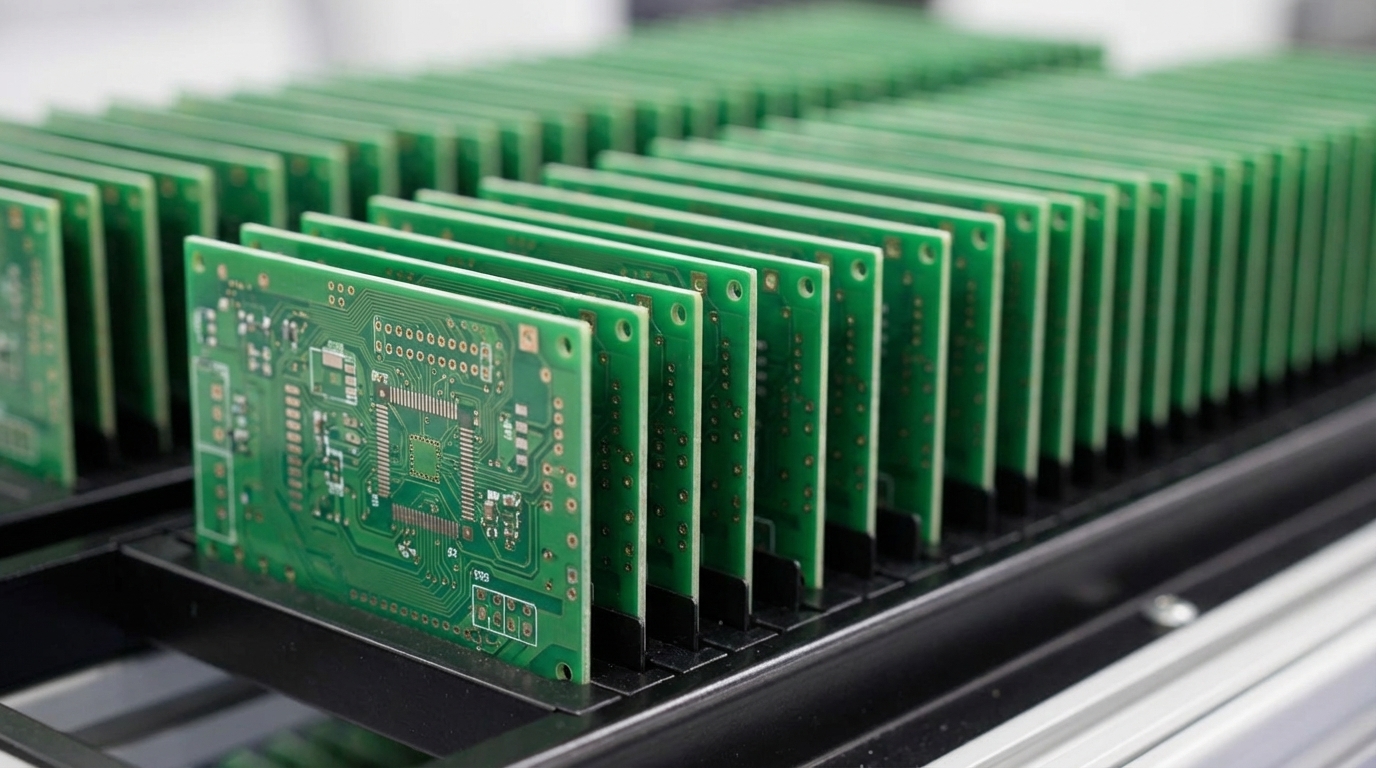
Last updated: July 29, 2026
Key Takeaways for Defense PCB Partner Selection
- ITAR registration is an annual filing with DDTC, not a certification. Buyers must verify an M-prefix registration code and documented compliance programs beyond the registration itself.
- Defense PCB assembly partners should demonstrate AS9100D certification, IPC Class 3 workmanship, SAE AS5553 counterfeit avoidance, NIST 800-171 alignment and CMMC readiness to meet aerospace and defense requirements.
- Engineering depth and prototyping agility are critical. Integrated DFM workflows and production-equivalent Speed Shop lines prevent late-stage redesigns and prototype-to-production gaps.
- Advanced interconnect capabilities such as wire bonding, flip chip and thermal management solutions must be performed in-house rather than subcontracted to maintain ITAR data security and quality chain integrity.
- Pro-Active Engineering consolidates ITAR registration, AS9100, Nadcap accreditation and domestic manufacturing under one roof in Sun Prairie, Wisconsin. Discuss program-specific compliance needs with the engineering team.
Compliance Checks Beyond ITAR Registration
Defense programs require a structured checklist when evaluating a U.S. PCB assembly partner. Eight core checks cover quality, traceability and cybersecurity controls that defense buyers most frequently require.
- AS9100D certification. Aerospace and defense buyers frequently require AS9100D for quality management systems in high-reliability PCB assembly. Pro-Active Engineering holds AS9100 certification.
- IPC Class 3 workmanship. IPC-A-610 Class 3 acceptability standards define the workmanship baseline for mission-critical assemblies. Pro-Active Engineering operates to IPC-A-610 Class 2 and Class 3 standards.
- SAE AS5553 counterfeit avoidance. ERAI reported a 25% increase in counterfeit parts in 2024, the highest volume since 2015. SAE AS5553 provides the OEM-level framework for prevention. Pro-Active Engineering integrates SAE AS5553B methodology into sourcing.
- NIST 800-171 alignment. CMMC 2.0 Phase 1 enforcement began in November 2025 under the DFARS final rule. Suppliers handling controlled unclassified information must demonstrate alignment with NIST SP 800-171.
- CMMC readiness. Phase 2 enforcement begins November 2026. Buyers should confirm that a supplier has documented readiness and is not starting from zero.
- U.S.-only data handling. Transfer of controlled technical data to a foreign person constitutes an export even when that person is physically located in the United States. Buyers should verify that design files, BOMs and manufacturing data remain on U.S. soil with documented access controls.
- Full traceability documentation. Buyers should confirm that the supplier can produce sample record sets on short notice and maintains records per DDTC requirements.
- Domestic manufacturing footprint. Onshore production supports Buy American and DFARS requirements while reducing geopolitical exposure. Buyers should verify that assembly, testing and data storage all occur within the United States.
Pro-Active Engineering holds ISO 9001:2015, AS9100, ITAR registration, JCP certification and Nadcap accreditation, and operates from a single domestic facility.

Discuss program-specific compliance requirements with Pro-Active Engineering's engineering team.
Engineering Depth and Prototyping Agility
Compliance credentials establish the baseline, but they do not confirm execution capability. ITAR registration and certifications establish a compliance floor. Engineering depth determines whether a partner can execute a complex program without late-stage surprises.
Design for Manufacturability (DFM) integrated from day one prevents redesigns and cost overruns when manufacturing constraints surface after layout. This level of integration requires engineering and manufacturing teams to share a single workflow. Pro-Active's teams operate this way, so DFM feedback enters the design phase rather than arriving after the fact.
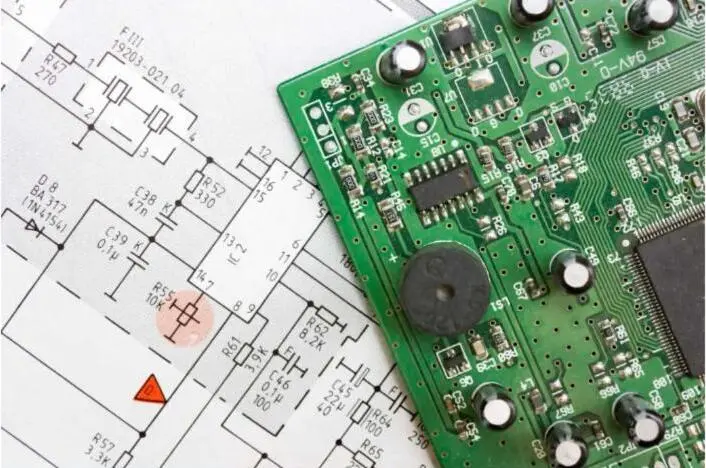
Prototyping agility carries equal weight. A dedicated Speed Shop line at Pro-Active delivers production-ready prototypes using the same processes as full-scale builds. Because the prototype uses production equipment and quality controls, the transition to volume manufacturing does not introduce process variation or workmanship gaps.
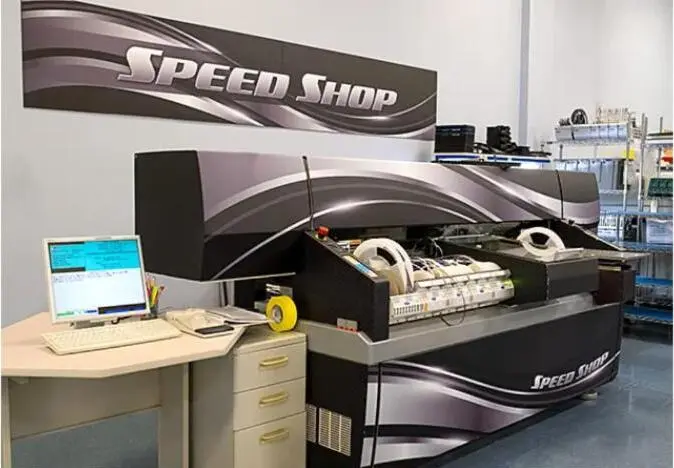
Buyers should confirm whether the prototyping line uses production-equivalent processes and whether the same quality system governs both phases. A supplier that runs prototypes on a separate, lower-spec line creates a prototype-to-production disconnect that increases program risk.
Advanced Interconnect and Thermal Capabilities
High-reliability aerospace and defense programs increasingly demand capabilities beyond standard surface mount assembly. Defense and aerospace applications require high-density interconnect solutions that standard contract manufacturers cannot support.
Pro-Active provides wire bonding, flip chip assembly and hybrid high-density assemblies engineered for mission-critical performance. These capabilities support compact, weight-sensitive designs where standard packaging approaches fall short.
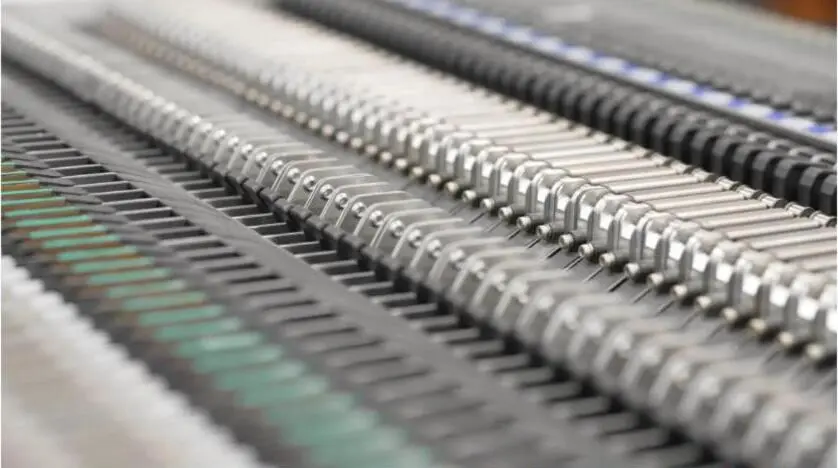
Thermal management plays an equally critical role. Aerospace and defense electronics frequently operate in sealed environments where thermal cycling can be severe, so engineered thermal paths support long service cycles. Pro-Active's thermal solutions include silver sintering, direct thermal path PCB technology, advanced metal-core constructions and heavy copper integration.

Buyers should confirm that advanced interconnect and thermal capabilities are in-house rather than subcontracted. Subcontracting these steps introduces additional vendors, additional data-handling exposure and additional points of failure in the quality chain.
Quality, Compliance and Supply-Chain Resilience
In-house capabilities reduce vendor fragmentation, but they do not remove supply-chain risk. Supply chain disruptions in the aerospace and defense sector rose 35% year-over-year in 2024, reaching more than 12,000 events. Semiconductor lead times reached 40 weeks in early 2026, which intensified pressure on sourcing teams and increased counterfeit infiltration risk.
A domestic manufacturing footprint directly addresses this exposure. Prime contractors are moving to onshore sub-tier suppliers as the Pentagon prioritizes domestic industrial capacity. A U.S.-based partner with documented specialty-metals tracking, BOM lifecycle management and authorized-channel sourcing reduces both geopolitical and counterfeit risk.
These capabilities require specific tools and processes. Pro-Active Engineering integrates SiliconExpert for BOM scrubbing and obsolescence risk avoidance and applies SAE AS5553B counterfeit avoidance methodology across its supply chain. Full traceability and documentation control are standard across all programs.
Prototype-to-Production Continuity
Process continuity between prototype and production removes one of the most common and costly program risks. When a supplier uses different equipment, different workmanship standards or a different quality system for prototypes versus production, the transition introduces defects that did not appear during development.
Pro-Active's Speed Shop uses production-equivalent processes from the first unit. The same quality management system, the same inspection protocols and the same documentation controls govern prototype and production builds. This continuity means that what works in development scales directly into manufacturing without process revalidation.
The Speed Shop approach described earlier eliminates the most common transition risk. Buyers should confirm that a prospective partner can demonstrate process equivalence across build phases and that the same quality system covers both.
Share program details so Pro-Active's team can outline the specific workflow for the build phase.
Common Pitfalls in Defense PCB Partner Selection
Three recurring pitfalls account for most program risk in aerospace and defense PCB assembly selection.
- Late-stage DFM issues. When manufacturability is not assessed during design, defects surface at first article or during production. The mitigation is a partner whose engineering and manufacturing teams share a single workflow, so DFM enters before layout is finalized rather than after.
- Prototype-to-production process gaps. A supplier that runs prototypes on a separate line creates a validation gap. The mitigation is confirming that the same processes, equipment and quality system govern both phases.
- Vendor fragmentation. Defense electronics manufacturers facing 2026 supply-chain volatility benefit from consolidating to fewer, more capable domestic partners. Managing separate vendors for design, prototyping, assembly, coating, testing and integration creates communication gaps, accountability gaps and additional ITAR data-handling exposure. A single accountable U.S. partner eliminates these gaps and simplifies compliance documentation.
Frequently Asked Questions
What is ITAR registration and what are a manufacturer's ongoing obligations?
ITAR registration is an annual administrative filing with the DDTC under 22 CFR Part 122. Any U.S. manufacturer of defense articles or provider of defense services must register. Ongoing obligations include renewing registration annually, maintaining a documented compliance manual, designating an empowered official, conducting recurring internal audits, training employees on compliance requirements and maintaining records for at least five years. Registration alone does not make a company compliant. The operational program behind it does.
What is the difference between bare-board PCB fabrication and full PCBA under ITAR?
Bare-board fabrication produces the unpopulated printed circuit board. Full PCBA (printed circuit board assembly) adds components, soldering, testing, conformal coating and integration. Both can involve ITAR-controlled technical data when the board or assembly is specifically designed for a defense article on the U.S. Munitions List. Full PCBA typically involves more controlled data, including BOMs, firmware, test specifications and assembly drawings, and requires more comprehensive access controls, traceability and documentation than bare-board fabrication alone.
What role does DFM play in reducing program risk for aerospace and defense programs?
Design for Manufacturability integrates manufacturing constraints into the design phase before layout is finalized. For aerospace and defense programs, this approach identifies sourcing risks, workmanship challenges and test access requirements early, when changes remain inexpensive. DFM applied after design completion typically results in redesigns, schedule delays and cost overruns. A partner whose engineering and manufacturing teams share a single workflow applies DFM continuously rather than as a gate review.
How do certifications and controlled workflows lower compliance exposure for defense programs?
Certifications such as AS9100, Nadcap accreditation and JCP certification establish documented, audited quality systems that satisfy customer and regulatory requirements. Controlled workflows covering data access, foreign-national screening, traceability, change control and recordkeeping reduce the probability of violations and demonstrate due diligence to DDTC, prime contractors and program offices. Together, they shift quality from an inspection-based activity to a system-based one and reduce defect rates, audit findings and program exposure across the full lifecycle.
Next Steps for Evaluating Program Requirements
Selection of an ITAR-registered PCB assembly partner for aerospace and defense programs requires more than confirming a registration number. The evaluation framework in this guide covers eight compliance and quality checkpoints, engineering depth, advanced interconnect and thermal capabilities, prototype-to-production continuity and common pitfalls.
Pro-Active Engineering consolidates these capabilities under one domestic roof: ITAR registration, AS9100, Nadcap accreditation, JCP certification, a dedicated Speed Shop, advanced interconnect and thermal solutions and full traceability from design through production.
Begin an initial technical review by sharing project details with Pro-Active Engineering's engineering team.