

Last updated: August 11, 2026
Key Takeaways for Complex Quick-Turn PCB Programs
-
Quick-turn PCB fabrication for complex, high-reliability prototypes works best with a single U.S. partner that combines design, rapid prototyping, assembly and compliance.
-
Fragmented vendor chains create communication gaps, late DFM feedback and compliance exposure that integrated workflows reduce.
-
Pro-Active Engineering delivers AS9100, ITAR, IPC Class 3 and full traceability standards from the first prototype through production.
-
Domestic manufacturing with counterfeit avoidance and NIST-aligned cybersecurity controls reduces IP and supply chain risk for aerospace, defense and medical programs.
-
Share program requirements with Pro-Active Engineering to align scope, schedule and compliance needs.
Market Pressures Driving Integrated PCB Partnerships
Engineering teams in regulated industries face structural risk when multiple vendors touch a single program. These risks compound as complexity increases.
-
Vendor fragmentation: Splitting design, fabrication, assembly, coating and testing across separate partners creates communication gaps, diffuses accountability and increases the probability of hand-off errors.
-
Late-stage manufacturability issues: When design and manufacturing operate in separate organizations, DFM feedback arrives after layout is complete. Redesigns, schedule delays and cost overruns follow.
-
Compliance exposure: IPC-A-610 Class 3 assemblies for aerospace and defense programs require full traceability of each assembly to specific operators, equipment, solder lots, component date codes and inspection records under AS9100 quality systems. Vendors without integrated documentation controls create gaps that surface during audits or field failures.
-
Supply chain risk: Offshore sourcing introduces IP exposure, counterfeit component risk and logistics variability that regulated programs cannot absorb.
These challenges are not isolated. They reflect a structural mismatch between how complex programs are managed and how most contract manufacturing supply chains are organized. An integrated approach addresses these structural gaps by consolidating the entire workflow under one partner.
How Pro-Active’s Integrated Workflow Reduces Program Risk
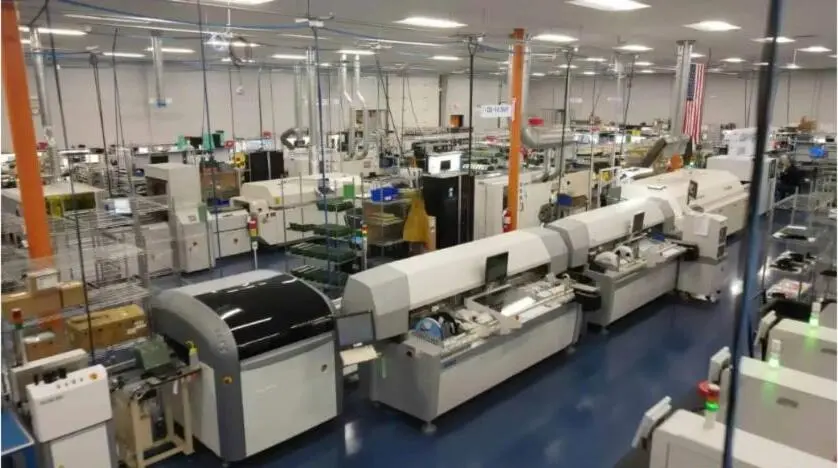
Pro-Active Engineering consolidates design, rapid prototyping, PCB assembly, conformal coating, testing and box build into a single workflow at one facility in Sun Prairie, Wisconsin.
-
Single-partner accountability: One team owns the program from initial layout through production. Engineering and manufacturing share the same quality system, documentation infrastructure and scheduling visibility.
-
DFM from day one: Design for manufacturability is built into the design phase, not appended after layout. This early integration means sourcing insight, quality planning and process constraints inform decisions before they become expensive to change.
-
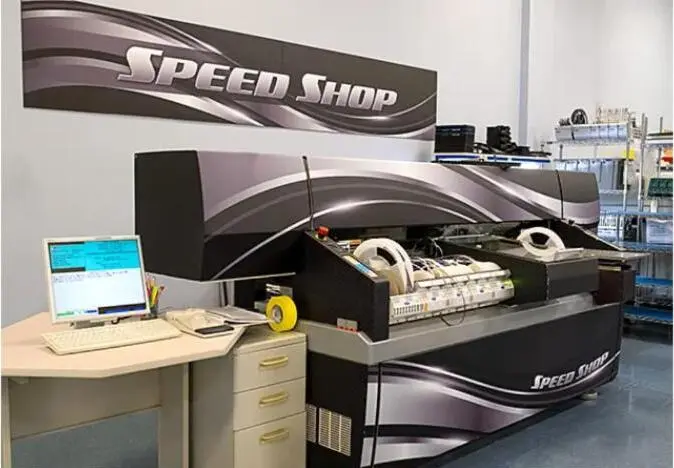
Prototype-to-production continuity: Prototypes built through Pro-Active’s dedicated Speed Shop use the same processes, materials and quality controls as full production runs. This continuity reduces process translation risk when programs scale.
Discuss how an integrated workflow can reduce risk and accelerate program timelines with Pro-Active Engineering.
Defining Requirements for High-Reliability Prototypes
High-reliability prototypes for aerospace, defense and medical programs carry documentation and technical requirements that must be defined before fabrication begins.
-
Documentation control: Programs governed by AS9100 or FDA quality management regulations require structured design history files, material declarations, process validation records and inspection traceability. Because these artifacts depend on decisions made during design, they must be planned at program initiation, not assembled retroactively.
-
Advanced interconnect needs: High-density designs for mission-critical applications may require wire bonding, flip chip assembly or hybrid constructions. Rigid-flex and HDI stackups require co-development of impedance targets, bend requirements and test coupon strategies with the fabrication partner early in the design phase.
-
Thermal management considerations: Thermal architecture functions as a first-order design input. Copper geometry, thermal via placement, heavy copper integration and substrate selection all require engineering input before layout is finalized.
Quality and Compliance Framework for Regulated Programs
Regulated programs require vendors whose quality systems are audited, certified and aligned to the standards governing the end application. Pro-Active Engineering maintains a layered compliance framework.
-
ISO 9001:2015 and AS9100: AS9100 extends ISO 9001 with aerospace-specific requirements for risk management, configuration control and first article inspection. Pro-Active holds both certifications.
-
ITAR registration: ITAR registration with the Directorate of Defense Trade Controls governs access controls, data handling, documentation practices and personnel training for defense-related manufacturing. Pro-Active is ITAR registered and compliant.
-
JCP certification and Nadcap accreditation: JCP certification (DD Form 2345) and Nadcap accreditation provide additional assurance for military and aerospace programs with specialized process and documentation requirements.
-
IPC Class 3 workmanship: IPC-A-610 Class 3 requires 100% inspection of solder joints, X-ray evaluation of hidden joints on BGAs and bottom-terminated components and validated reflow profiles for each unique PCB design. Pro-Active applies these standards across applicable programs.
-
Full traceability: Every assembly is traceable to operators, equipment, material lots, component date codes and inspection records. IPC-1782 provides the structured traceability schema that connects materials, machines, tests and personnel across regulated builds.
-
NIST 800-171 alignment and CMMC readiness: Pro-Active applies data-handling and cybersecurity controls aligned to NIST 800-171 and is pursuing CMMC readiness for programs involving controlled unclassified information.
What Matters Most to Engineering and Program Leaders
Engineering and program leadership evaluate quick-turn PCB partners on different but overlapping criteria. Both perspectives matter when selecting a vendor for high-reliability work.
-
Engineering integration: Design engineers need a partner that supports advanced interconnect and thermal requirements and uses production processes during prototyping.
-
Certification coverage: Program managers and purchasing managers need documented evidence that certifications are current and auditable on request, not just listed on a website.
-
Supply chain security: Domestic manufacturing with SAE AS5553B counterfeit avoidance methodology and SiliconExpert BOM scrubbing reduces obsolescence risk and limits the IP exposure associated with offshore fabrication.
How Pro-Active Compares in the Quick-Turn PCB Market
The U.S. quick-turn PCB market includes several vendor categories, each with structural limitations for complex, high-reliability programs.
-
Large EMS providers prioritize high-volume production. Low-to-mid volume, high-complexity programs with active engineering requirements receive less attention and slower response.
-
Offshore brokers introduce IP risk, counterfeit component exposure and logistics variability. ITAR-regulated programs cannot use offshore fabrication without significant compliance risk.
-
Design-only firms deliver layouts but do not own production. The hand-off to a separate manufacturer reintroduces the DFM and traceability gaps that integrated workflows reduce.
-
Local job shops offer proximity but typically lack automated inspection, Class 3 workmanship standards and the certification infrastructure required for aerospace, defense and medical programs.
Pro-Active Engineering’s integrated model addresses the gaps across all four categories through engineering-led manufacturing, domestic ITAR-compliant production, Class 3 workmanship and scalable capacity from prototype through production.

Complex programs benefit from a partner built for them. Compare Pro-Active’s integrated model against the current vendor setup for similar work.
Checklist for Evaluating Quick-Turn PCB Partners
Several practical checks help differentiate quick-turn PCB partners for complex, high-reliability programs.
-
Engineering integration: Does the partner provide DFM, sourcing insight and quality planning during the design phase, or only after layout is complete?
-
Certification coverage: Does the partner hold AS9100, ITAR registration, JCP certification and Nadcap accreditation, and can it provide current certificates on request?
-
Process consistency: Are prototypes built using production tooling and validated procedures, or do they require process translation when scaling?
-
Advanced capability depth: Can the partner support wire bonding, flip chip, rigid-flex, heavy copper, thermal management and high-density interconnect under one roof?
-
Supply chain security: Does the partner use domestic sourcing, counterfeit avoidance methodology and BOM lifecycle management to reduce component risk?
-
Traceability infrastructure: Can the partner provide full lot-level traceability records linking materials, operators, equipment and inspection results for every assembly?
-
Scalability: Can the partner support a single prototype unit and scale to production volume without transferring the program to a different facility or quality system?
Frequently Asked Questions
What lifecycle stages does Pro-Active Engineering support?
Pro-Active Engineering supports the full electronics lifecycle: PCB layout and schematic design, firmware and embedded control development, rapid prototyping, low-to-high volume assembly, conformal coating and ruggedization and box build and full system integration. Programs can engage at any stage and remain with the same partner through production.
What advanced technologies support high-density and high-power designs?
Pro-Active Engineering supports wire bonding, flip chip assembly, hybrid high-density assemblies and high-speed interconnect design for compact, mission-critical applications. For thermal and high-power requirements, capabilities include silver sintering, direct thermal path PCB technology, advanced metal-core constructions, heavy copper integration and integrated dielectric structures.
What testing and inspection protocols apply to high-reliability assemblies?
Pro-Active Engineering applies 100% automated optical inspection, flying probe and in-circuit electrical testing, X-ray inspection for hidden solder joints on BGAs and bottom-terminated components and functional testing. Solder reflow profiles are validated for each unique PCB design. All inspection records are maintained as part of the full traceability documentation package.
How does Pro-Active Engineering handle compliance documentation for regulated programs?
Pro-Active Engineering maintains AS9100-compliant quality management systems that produce full traceability records linking materials, operators, equipment and inspection results for every assembly. ITAR registration governs access controls, data handling and personnel training for defense-related work. JCP certification and Nadcap accreditation support additional military and aerospace documentation requirements. Certificates and quality documentation are available to customers on request.
Can Pro-Active Engineering handle a single prototype unit and scale to production?
Pro-Active Engineering’s Speed Shop supports a minimum order quantity of one unit for R&D and validation builds. Prototypes are built using full production processes, so the transition to volume manufacturing does not require process translation or vendor transfer. The same facility, quality system and engineering team support the program from first article through production.
Conclusion: Integrated U.S. PCB Support for Complex Programs
Aerospace, defense and medical programs with complex, high-reliability requirements carry risks that fragmented supply chains amplify. Vendor hand-offs, late DFM discoveries, compliance gaps and supply chain exposure are structural problems that an integrated U.S. partner model is built to solve.
Pro-Active Engineering combines engineering, rapid prototyping, advanced assembly and a certified quality framework under one roof in Sun Prairie, Wisconsin. ITAR registration, AS9100 certification, IPC Class 3 workmanship and full traceability are standard across applicable programs.
For programs that require production-ready prototypes from the first build, the evaluation starts with the right partner. Start that evaluation by sharing program requirements with Pro-Active’s engineering team.