
Last updated: August 10, 2026
Key Takeaways
-
Fragmented design, prototyping and production partners create ITAR and CMMC risk through inconsistent security controls and traceability gaps.
-
Integrated, engineering-led U.S. manufacturers consolidate services under one ITAR-registered facility, which reduces handoff exposure and late-stage manufacturability issues.
-
Secure data handling, prototype-to-production continuity and full documentation traceability improve when design and production share one quality system and facility.
-
Advanced interconnect, thermal management and counterfeit-avoidance capabilities embedded from schematic capture through production reduce redesign loops and supply-chain risk.
-
Defense and aerospace programs seeking a single accountable partner can request a quote from Pro-Active Engineering to consolidate PCB design and manufacturing.
Integrated, Engineering-Led U.S. Manufacturers for Defense Programs
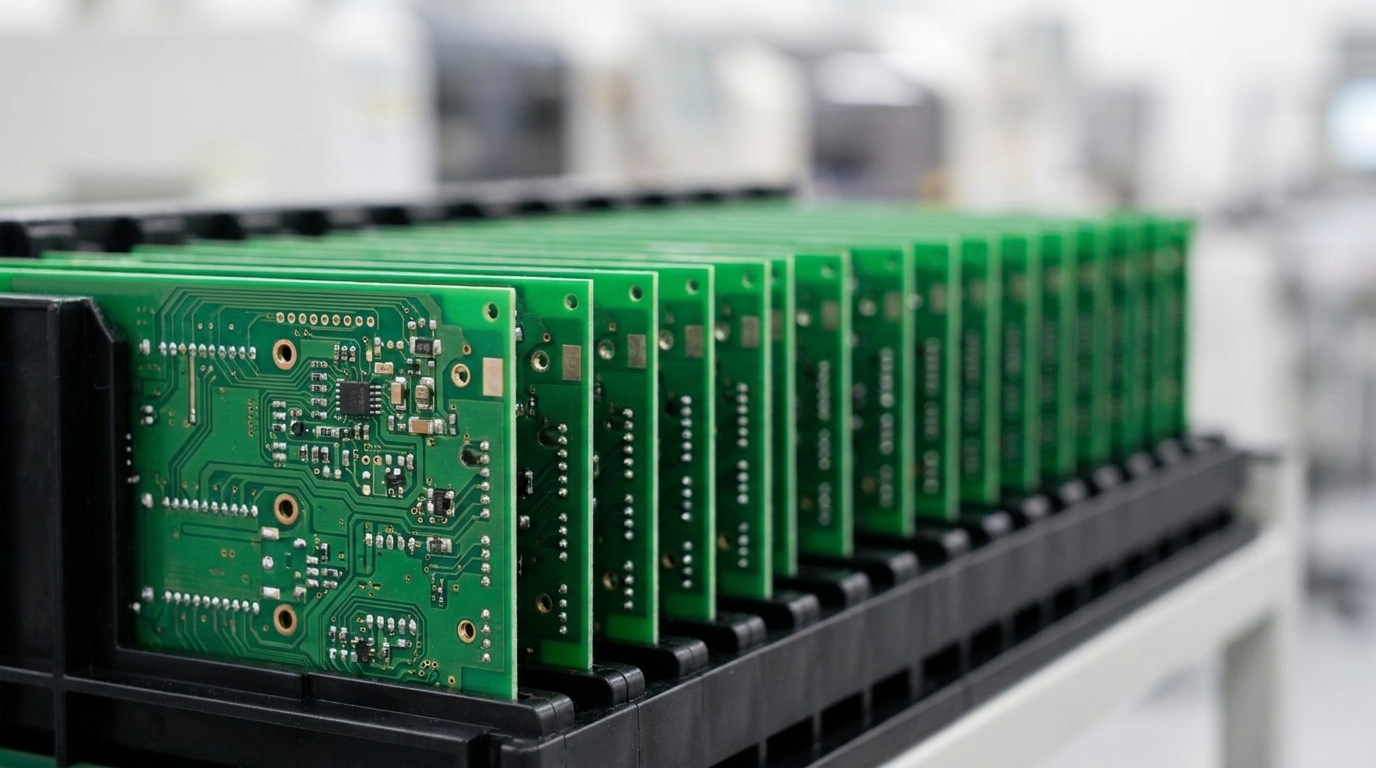
An integrated, engineering-led U.S. manufacturer consolidates PCB design, prototyping and production under one ITAR-registered roof. This model uses secure CAD environments with documented access controls and U.S.-person engineering controls applied consistently across design and production. Design for manufacturability (DFM) begins at schematic capture, and documented handoff procedures maintain traceability across the full program lifecycle.
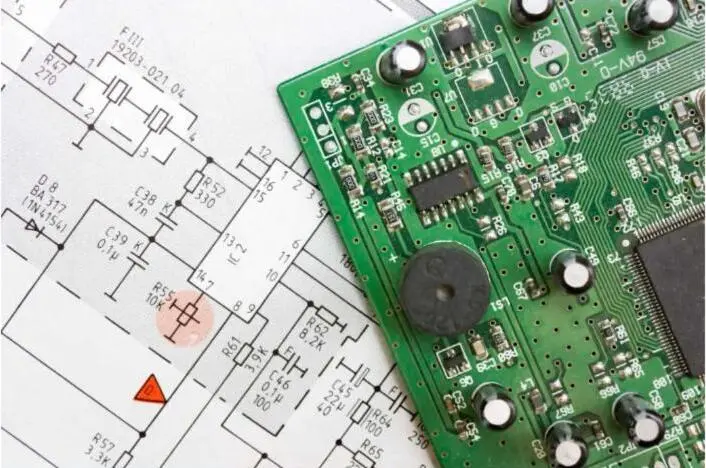
Pro-Active Engineering, founded in 1996 and headquartered in Sun Prairie, Wisconsin, operates this model. The company holds ITAR registration, AS9100 and ISO 9001:2015 certifications, JCP certification and Nadcap accreditation. All services, from PCB layout and firmware development through rapid prototyping, assembly, conformal coating, testing and box build, run inside a single 45,000-square-foot facility under one accountable workflow.
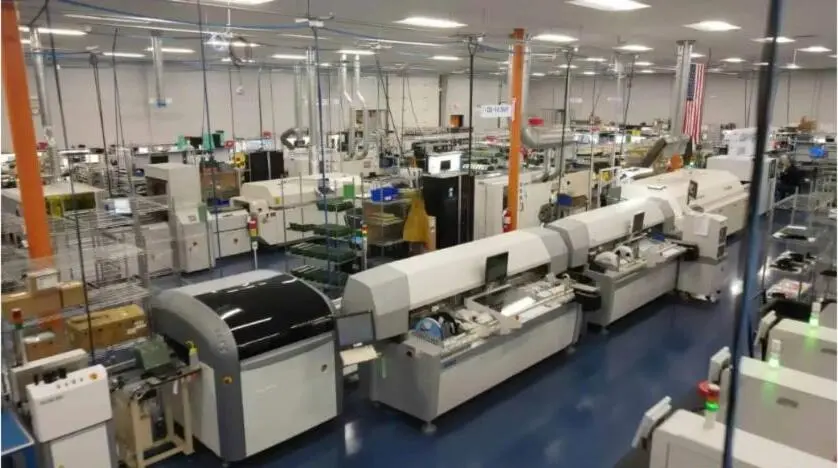
Defense and aerospace programs with complex interconnect, thermal or documentation requirements gain efficiency and control with this type of partner. Request a quote to discuss program requirements with Pro-Active Engineering’s engineering team.
Secure Data Handling for ITAR and CMMC
Data-security exposure grows each time design data moves between organizations that apply different security standards. CUI in electronics manufacturing includes PCB schematics, Gerber files, component placement files, bills of materials, testing procedures and performance specifications. Each transfer between a design-only firm, a fabricator and an assembly house creates another potential exposure point.
ITAR-controlled CAD files require storage on U.S.-based servers with access restricted to authorized U.S. persons, supported by verifiable audit trails of all file access, modifications and transfers. Traditional storage and email systems often lack the controls necessary to enforce these requirements across multiple vendors.
The integrated model reduces this risk by keeping all controlled technical data inside a single secure environment. Pro-Active Engineering applies NIST 800-171 aligned controls and maintains CMMC readiness, with access controls, personnel training records and documentation practices consistent with DDTC foreign-national access restrictions. Buyers evaluating partners should ask whether the partner maintains a documented System Security Plan, whether all engineering personnel are U.S. persons and whether the partner has undergone or is preparing for third-party CMMC assessment.

Prototype-to-Production Continuity in One Facility
Prototype-to-production disconnects arise when separate organizations handle design and production. Design decisions made without production context create manufacturability issues that surface late and require redesign.
The integrated model uses the same processes and engineering team from prototype through production. This continuity keeps design intent, DFM feedback and process knowledge aligned across every build.
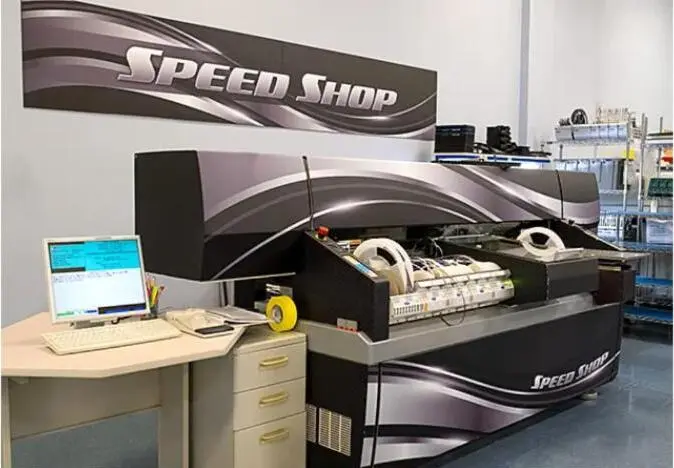
Pro-Active Engineering’s dedicated Speed Shop delivers rapid prototype assemblies using full production processes, so successful development builds scale directly into manufacturing. Buyers should ask whether the partner’s prototype line uses the same equipment, materials and inspection standards as its production line and whether DFM review occurs before layout rather than after.
Compliance Documentation and Traceability Across the Program
Fragmented supply chains create traceability gaps that often become audit findings. When design, fabrication and assembly sit with separate organizations, no single party owns the complete documentation record. Root-cause analysis across the production chain then depends on cooperation between firms with separate quality systems and sometimes conflicting interests.
Pro-Active Engineering maintains documentation control and traceability across its integrated workflow, supported by IPC-A-610 Class 2 and Class 3 workmanship standards, J-STD-001 soldering standards and IPC-7711/7722 rework standards. Buyers should ask whether the partner can produce a single, continuous audit trail from design release through final test and whether that documentation is maintained under a certified quality management system.
Advanced Interconnect and Thermal Capabilities for Defense Designs
High-density and high-power defense electronics applications require capabilities beyond standard PCB assembly. These programs depend on advanced interconnect and thermal solutions that tie directly into design decisions.
Pro-Active Engineering provides wire bonding, flip chip assembly, hybrid high-density assemblies and high-speed interconnect design within one coordinated operation. Thermal management capabilities include silver sintering, direct thermal path technology, advanced metal-core constructions and heavy copper integration. These capabilities enter the program at schematic capture and continue through production, rather than appearing late during DFM review.
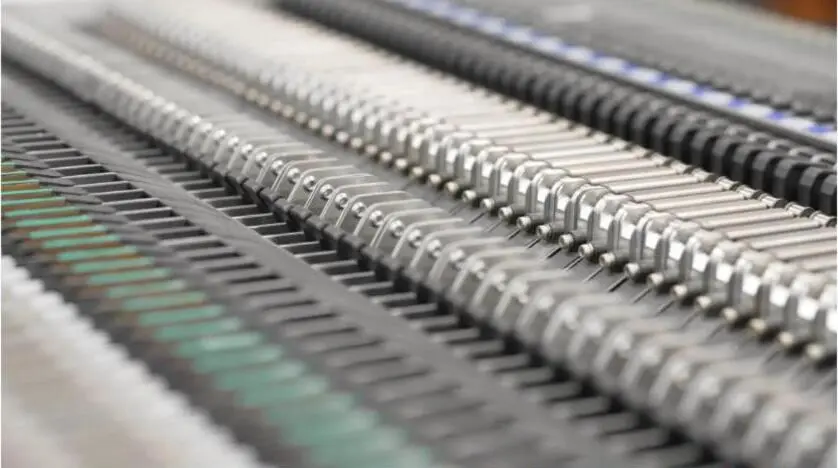
Buyers should ask whether the partner’s design engineers have direct access to the production floor and whether advanced interconnect and thermal solutions are designed and built within the same facility.
Supply-Chain Resilience and Counterfeit-Part Avoidance
Fragmented supply chains increase counterfeit risk and complicate response when suspect parts appear. Each additional sourcing channel adds another control environment to manage.
Pro-Active Engineering integrates SiliconExpert for BOM scrubbing, lifecycle risk mitigation and obsolescence avoidance and applies SAE AS5553B counterfeit avoidance methodology. Component sourcing is managed alongside design and assembly, with traceability maintained at the lot level. Buyers should ask whether the partner performs BOM scrubbing before design release, whether counterfeit avoidance requirements flow down to all subcontractors and whether the partner participates in GIDEP or ERAI alert networks.
Defense programs with complex sourcing requirements gain resilience with a partner that manages supply-chain risk from the design phase. Request a quote to discuss how Pro-Active Engineering’s sourcing and design workflow supports program requirements.
Comparing Provider Models in Defense Electronics
Three provider models appear frequently in the defense electronics supply chain, and each model handles engineering, compliance and scale in a different way.
Design-only firms provide PCB layout and engineering services without production capability. Engineering involvement runs deep at the design stage but ends at design release. Compliance posture depends on the firm’s individual ITAR registration and data-handling practices, which may not extend to production. Scalability requires a separate production partner, which introduces handoff risk and split accountability.
Volume-focused EMS providers prioritize high-volume production and often deprioritize engineering integration for lower-volume or early-stage programs. This production focus creates two related gaps. ITAR registration does not always mean that data-handling controls extend consistently across design and production workflows. Providers whose core competency is assembly throughput also tend to offer limited engineering involvement at the design stage, when manufacturability issues can be addressed most efficiently.
Integrated engineering-led partners combine design, prototyping and production under one ITAR-registered roof. This model provides a single point of accountability so the OEM does not need to mediate disputes between component distributors and the assembly house. Supply-chain burden and ownership gaps decrease, engineering involvement spans the full program lifecycle and compliance posture stays within one documented quality system. Scalability from prototype to production occurs inside the same facility.
Due-Diligence Checklist for ITAR PCB Partners
Effective due diligence covers certifications, security, engineering depth and production readiness as a connected framework, not as isolated checks.
-
Certifications: ITAR registration with the Directorate of Defense Trade Controls, AS9100 certification, ISO 9001:2015 certification, JCP certification (DD Form 2345) and Nadcap accreditation where applicable
-
Security controls: NIST 800-171 alignment, CMMC readiness or certification, documented System Security Plan, U.S.-person-only engineering controls and foreign-national access restrictions consistent with DDTC requirements
-
Data handling: Documented procedures for CUI classification, access control, audit logging and secure file transfer for all controlled technical data
-
DFM integration: Evidence that DFM review occurs at schematic capture, not after layout, and that design engineers have direct access to production processes
-
Counterfeit avoidance: SAE AS5553B or equivalent methodology, BOM scrubbing tools, authorized distributor sourcing policy and GIDEP or ERAI participation
-
Testing depth: Flying probe, in-circuit and functional testing capability, 100% automated optical inspection and IPC-A-610 Class 3 workmanship standards
-
Traceability: Lot-level component traceability, continuous audit trail from design release through final test and documentation control under a certified quality management system
-
Transition readiness: Prototype-to-production continuity using the same processes, equipment and engineering team, with documented handoff procedures
When an Integrated Engineering-Led Model Fits Best
The integrated engineering-led model fits programs where data-security exposure, late-stage manufacturability risk, traceability requirements or advanced interconnect and thermal demands make vendor fragmentation a material risk. Programs with complex rigid-flex or HDI requirements, strict ITAR and CMMC obligations or a need to scale from prototype to production without redesign loops align well with this structure.
Programs with straightforward designs, stable supply chains and no CUI handling may find that split-vendor approaches meet requirements. The decision framework centers on risk tolerance. If a compliance finding, a redesign loop or a counterfeit-part event at any point in the supply chain would create unacceptable program risk, the integrated model reduces that exposure through structure rather than through procedural coordination alone.
Frequently Asked Questions
What does CMMC Level 2 require for defense electronics manufacturers handling PCB design data?
CMMC Level 2 requires implementation of security practices drawn from NIST SP 800-171 across 14 control families for any organization that processes, stores or transmits Controlled Unclassified Information in the Department of Defense supply chain. For electronics manufacturers, CUI includes PCB schematics, Gerber files, component placement files, bills of materials, testing procedures and performance specifications. Compliance requires a documented System Security Plan, network segmentation to isolate design systems, encryption of sensitive files, role-based access controls with multi-factor authentication, audit logging of design access and physical security for workstations and storage media. Third-party assessment by a Certified Third-Party Assessment Organization is typically required for defense contracts involving CUI, though self-assessment may be used in some cases. Annual affirmation by a senior company official (the Affirming Official) is required under penalty of False Claims Act liability.
How does integrating DFM from schematic capture reduce redesign loops in defense PCB programs?
Redesign loops in defense PCB programs most commonly originate from manufacturability issues that are not identified until after layout is complete or prototypes are built. When design and manufacturing operate as separate organizations, DFM feedback arrives late in the development cycle, after design decisions have already been committed. Integrating DFM from schematic capture means that component selection, placement constraints, thermal paths, via structures and layer stackup decisions are evaluated against production capabilities before routing begins. This approach removes the category of redesign that results from design-manufacturing misalignment. For complex boards involving advanced interconnect or thermal management, early fabricator engagement is particularly important because design variables such as bend radius, stiffener placement and impedance continuity across transitions must be resolved before layout, not after.
What supply-chain controls are required to avoid counterfeit electronic parts in defense programs?
DFARS 252.246-7007 requires defense contractors to maintain a risk-based counterfeit detection and avoidance system. These requirements must be flowed down to all subcontractors. SAE AS5553B standardizes practices for detecting, mitigating and avoiding counterfeit electronic components. Effective counterfeit avoidance combines authorized distributor sourcing policies, BOM scrubbing for lifecycle and obsolescence risk, lot-level traceability documentation, participation in GIDEP and ERAI alert networks and authentication testing for components sourced outside authorized distribution channels. An integrated manufacturing partner that manages component sourcing alongside design and assembly provides a structural advantage over split-vendor models, where counterfeit-avoidance requirements must be coordinated across multiple organizations with separate quality systems.
Conclusion: Selecting a Single Accountable PCB Partner
Fragmented design and manufacturing partners create data-security exposure, late-stage manufacturability issues, traceability gaps and supply-chain risk for defense electronics programs. These problems arise from structure, and coordination between separate vendors rarely removes that structural risk. The integrated engineering-led model addresses it by consolidating design, prototyping and production under one ITAR-registered roof with a single accountable quality system.
Pro-Active Engineering exemplifies this model. With ITAR registration, AS9100 and ISO 9001:2015 certifications, JCP certification, Nadcap accreditation, NIST 800-171 aligned controls and CMMC readiness, the company supports defense and aerospace programs from schematic capture through final test and system integration. Advanced interconnect, thermal management and rapid prototyping capabilities are available within one coordinated operation rather than sourced from separate vendors.
Defense and aerospace programs that require secure, traceable, engineering-led manufacturing under one accountable partner can request a quote from Pro-Active Engineering to begin the conversation.