
Last updated: August 6, 2026
Key Takeaways
- High-reliability PCBA supports mission-critical aerospace, defense, medical and industrial applications where field failure carries safety or regulatory consequences.
- Integrated mid-sized specialists that combine design, DFM, prototyping, assembly and testing under one roof reduce coordination overhead and quality risk.
- Certifications such as AS9100D, ISO 9001:2015, ITAR registration, Nadcap accreditation and IPC-A-610 Class 3 support traceability and compliance in regulated programs.
- Early DFM collaboration and production-intent prototyping cut late-stage defects, shorten NPI cycles and support smooth scaling from prototype to production.
- Pro-Active Engineering delivers integrated, U.S.-based high-reliability PCBA with full certifications and advanced capabilities. Discuss program requirements with the Pro-Active team.
Provider Models and Why Integrated Specialists Stand Out
Four provider types dominate the U.S. high-reliability PCBA market, and each carries distinct trade-offs.
Mega-EMS providers operate at scale and build infrastructure for high-volume, stable programs. This throughput-focused model often leaves low-to-mid volume, high-complexity programs with limited engineering attention because they sit outside the provider’s core focus.
Design-only firms deliver strong layout and schematic work but hand production to a separate manufacturer. That handoff introduces communication gaps, documentation inconsistencies and unclear accountability when defects appear in production.
Quick-turn shops excel at speed for simple builds. Their operations rarely support the documentation control, traceability or advanced assembly capabilities that regulated programs require.
Integrated mid-sized specialists consolidate design, DFM, rapid prototyping, assembly, testing and system integration at a single site. This model reduces coordination overhead, quality risk and schedule fragility for programs that scale from prototype to production. One accountable team owns the outcome from concept through delivery.
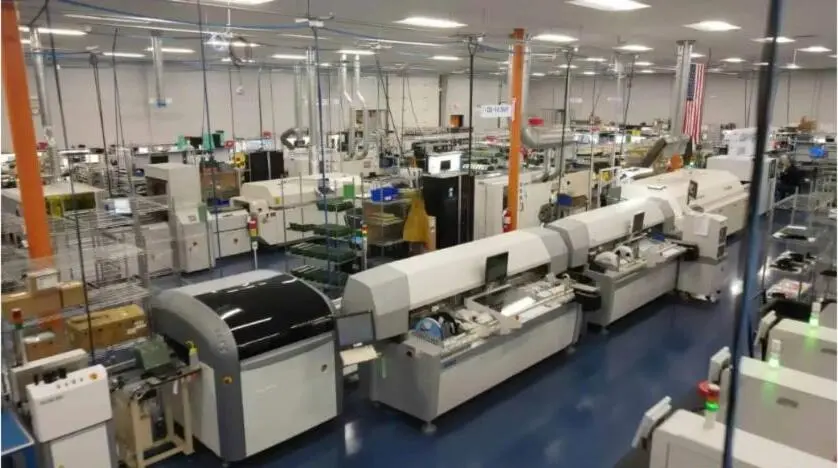
Pro-Active Engineering operates as an integrated specialist. Design, rapid prototyping, PCB assembly, conformal coating, testing and box build all run within one workflow at a single facility in Sun Prairie, Wisconsin.
Discuss how integrated workflows apply to a program with Pro-Active’s engineering team.
Certifications That Protect Traceability and Compliance
AS9100D is the aerospace and defense quality standard built on ISO 9001 with sector-specific additions. It raises expectations for traceability, documentation, configuration management, risk management and first-article inspection beyond general quality standards.
ISO 9001:2015 defines the quality management system framework that controls procedures, documentation and continuous compliance. It forms the baseline for any credible manufacturing partner and supports sector-specific standards.
ITAR registration with the U.S. Department of State’s Directorate of Defense Trade Controls is a legal requirement for manufacturers that handle defense-related technical data and hardware. Registration must pair with active access controls, data-handling procedures, foreign-national access restrictions and personnel training records to maintain compliance.
Nadcap accreditation, administered by the Performance Review Institute, covers special processes such as soldering and conformal coating. It signals that independent auditors have reviewed a manufacturer’s processes against aerospace and defense requirements rather than relying on self-certification.
IPC-A-610 Class 3 sets the tightest workmanship expectations. It aligns with full traceability, 100 percent inspection expectations and use in aerospace, military and life-safety equipment. Strong partners hold current IPC-A-610 certification and maintain Certified IPC Specialists on staff.
Pro-Active Engineering holds ISO 9001:2015, AS9100, ITAR registration, JCP certification and Nadcap accreditation. The company also aligns with NIST 800-171 and maintains CMMC readiness for programs that require controlled unclassified information handling.
Early DFM and Production-Intent Prototyping
Early and continuous collaboration between engineering and manufacturing teams makes DFM effective. Structured design reviews and iteration based on production feedback move manufacturability issues from the factory floor to the design stage.
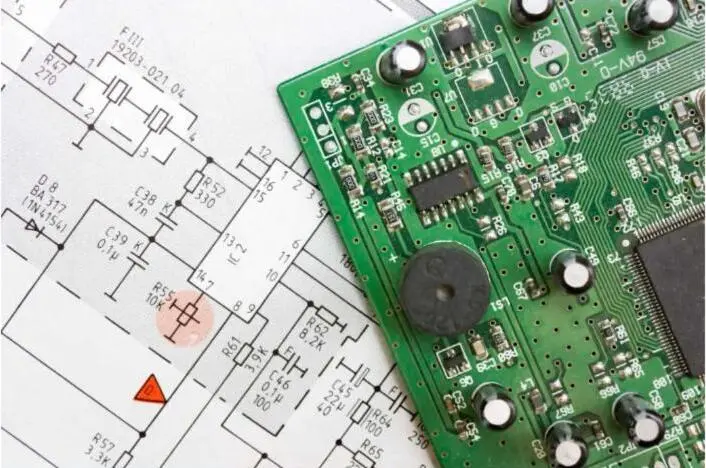
A thorough DFM review in PCBA NPI often identifies design adjustments that would otherwise generate defects in the first prototype run. Addressing those items at the data-review stage can remove an entire prototype cycle.
Production-intent prototyping extends that benefit. When prototypes use the same SMT lines, solder profiles, inspection programs and documentation practices as production, the transition to volume manufacturing requires no requalification. Proven development builds scale directly.
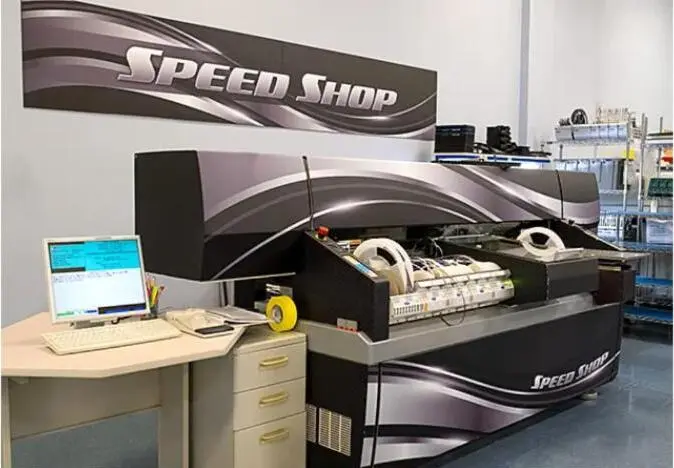
Pro-Active Engineering’s Speed Shop delivers rapid prototypes using full production processes. The same equipment, quality controls and engineering team that support prototypes also support production runs. No handoff occurs between a prototype shop and a production floor.
Scaling From Prototype to Production Without Process Changes
A U.S. high-mix, low-volume electronics manufacturing partner that manages both prototype quantities and production ramps within the same program removes the need to transfer work midstream. That continuity avoids requalification overhead and related schedule risk.
Process consistency drives scalable quality. When the same reflow profiles, stencil designs, AOI programs and inspection criteria apply at every volume level, yield data from prototypes predicts production performance. High-reliability PCBA programs target strong first-pass yield and low defect rates, which depend on stable, repeatable processes rather than process resets as volume grows.
Pro-Active Engineering supports programs from single-piece R&D builds through low-to-mid volume production runs. The quality management system, documentation controls and engineering team remain constant across all volume levels.
Cost, Control and Location for Regulated Programs
Total cost of ownership for high-reliability programs extends beyond per-unit price. Rework, redesigns, requalification after supplier changes, compliance failures and schedule delays all add cost that simple unit comparisons miss.
Section 301 tariffs on China-origin electronics inputs remain in effect in 2026. These tariffs make domestic U.S. partners more cost-competitive for high-mix, time-sensitive or IP-sensitive low-to-mid volume programs by removing unpredictable import duties and long lead times.
Single accountability simplifies program management. One partner owns design, prototyping, assembly and integration. Engineering questions, schedule updates and quality data flow through one point of contact, which increases visibility without multiple vendor relationships.
Pro-Active Engineering serves customers nationwide from its Wisconsin facility. Domestic logistics, direct engineering access and consolidated documentation support programs regardless of customer location.
Explore how domestic integration affects total program cost with a detailed quote.
Advanced Interconnect and Thermal Management at Pro-Active
Beyond geographic and process advantages, high-reliability programs often require specialized technical capabilities that standard assembly cannot support. Mission-critical aerospace, defense and industrial applications increasingly demand compact, high-density designs that exceed standard PCB assembly limits.
Wire bonding, flip chip assembly and hybrid high-density assemblies address interconnect requirements that conventional surface mount cannot meet. These approaches support higher I/O counts and tighter packaging while maintaining reliability.
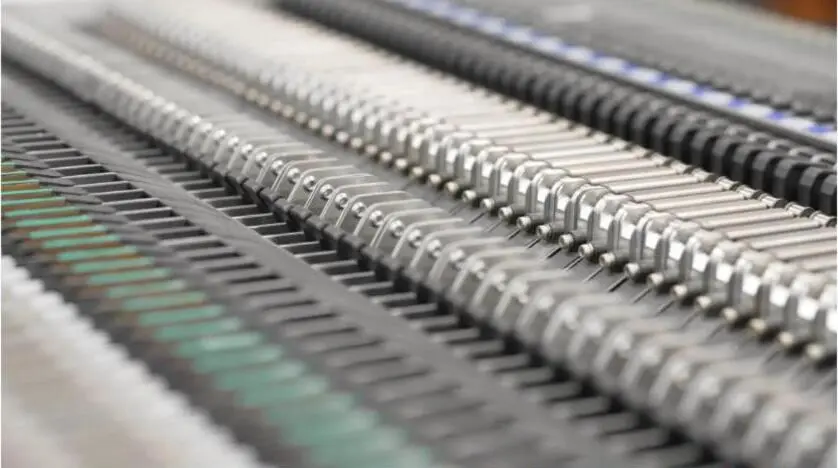
Thermal management holds equal importance in high-power and high-current applications. Insufficient heat dissipation reduces reliability and shortens product life in demanding environments. Metal-based thermal interface materials and advanced bonding technologies have supported strong performance for decades and withstand thermal cycling and thermal shock testing.
Pro-Active Engineering provides silver sintering, direct thermal path PCB technology, advanced metal-core constructions and heavy copper integration. Engineering teams address these capabilities during the design phase rather than as late-stage additions. This approach supports assemblies that maintain performance across extended service cycles in thermally demanding environments.
Building Supply-Chain Resilience With Domestic Manufacturing
U.S. imports of computer and electronics products rose significantly in 2025 while domestic output grew at a slower rate. That gap underscores continued dependence on offshore supply chains for electronics and the related geopolitical, IP and compliance risk for regulated programs.
Domestic manufacturing reduces supply chain risk by limiting exposure to shipping delays, geopolitical uncertainty, tariffs and international logistics disruptions compared with offshore production.
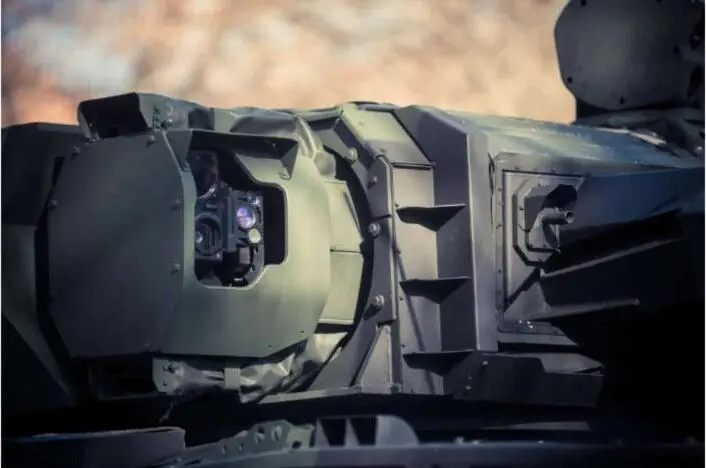
ITAR-compliant domestic manufacturing addresses a specific risk that offshore sourcing cannot resolve. Defense and aerospace programs that handle controlled technical data require a manufacturing partner with active ITAR registration, documented access controls and personnel trained on export control obligations. Pro-Active Engineering maintains these controls within its U.S. facility.
Pro-Active Engineering also applies SAE AS5553B counterfeit avoidance methodology and uses SiliconExpert for BOM scrubbing and component lifecycle risk mitigation. These practices reduce the probability that counterfeit or obsolete components enter regulated assemblies.
Key Questions for Evaluating PCBA Partners
The following checklist highlights dimensions that often reveal capability gaps or accountability risks in high-reliability PCBA evaluations:
- Does the partner integrate engineering and manufacturing within a single workflow, or does design transfer to a separate production team?
- At what phase does DFM review begin, and how are findings documented and tracked through design closure?
- Are prototypes built using the same equipment, processes and quality controls as production builds?
- What certifications does the partner hold, and are current certificates available for review with scope, expiry and issuing body?
- Is the partner ITAR-registered, and what access controls and data-handling procedures govern controlled technical data?
- How does the partner manage component lifecycle risk, counterfeit avoidance and BOM validation?
- What test strategies, including AOI, flying probe, in-circuit test and functional test, apply at each production stage?
- Can the partner demonstrate consistent quality metrics across prototype, pilot and production volume levels?
- What documentation package accompanies each build, and how is traceability maintained at the component and assembly level?
- How does the partner handle engineering change orders after design freeze, and what change control process governs post-release modifications?
Conclusion: Using This Framework With Pro-Active Engineering
Selecting a high-reliability PCBA partner requires a connected view of provider type, certification depth, DFM integration, scalability, advanced capabilities and supply-chain resilience. Fragmented vendor models add risk at every handoff. An integrated domestic partner with strong certifications and engineering depth reduces that risk from the first design review through the final production run.
Pro-Active Engineering has operated as an integrated design-to-production partner since 1996. With the certifications outlined earlier and an engineering team that embeds DFM from the design phase, the company applies an integrated approach across the full lifecycle. The Speed Shop builds production-intent prototypes, and consistent quality controls support all volume levels. Advanced interconnect and thermal management capabilities serve demanding aerospace, defense, medical and industrial programs.
Apply this framework to current or upcoming program evaluations, then align requirements with a partner structured to meet them.
Start the conversation with Pro-Active Engineering about program requirements.
Frequently Asked Questions
What defines high-reliability PCB assembly compared with standard assembly?
High-reliability PCBA is built to perform across extended service cycles, harsh environments and applications where failure carries safety or operational consequences. Differences from standard assembly appear in material selection, workmanship standards, inspection coverage, documentation depth and traceability requirements. High-reliability programs often require IPC-A-610 Class 3 workmanship, 100 percent automated optical inspection, full component-level traceability and certifications such as AS9100 or Nadcap accreditation. Standard commercial assembly may follow Class 2 workmanship with less rigorous documentation. Aerospace, defense, medical and industrial programs generally specify high-reliability standards because field failure carries unacceptable consequences.
Why does ITAR registration matter for defense PCBA programs?
ITAR, the International Traffic in Arms Regulations, governs export and handling of defense-related technical data and hardware. A manufacturer that supports defense programs must register with the U.S. Department of State’s Directorate of Defense Trade Controls and maintain active compliance. That compliance includes access controls, data-handling procedures, foreign-national access restrictions and personnel training records. ITAR registration requires ongoing operational discipline rather than a one-time credential. Selecting a partner without active ITAR registration and documented practices exposes programs to regulatory violations, contract loss and legal liability. Pro-Active Engineering is ITAR-registered and maintains the controls required for defense program support.
How does early DFM reduce program cost and risk?
DFM, or Design for Manufacturability, evaluates a PCB design against real manufacturing capabilities before tooling release or board fabrication. When manufacturing input arrives early, teams resolve issues such as component spacing conflicts, pad geometry problems, test point access gaps and sourcing risks on paper. Late discovery of the same issues triggers redesigns, extra prototype cycles, tooling rework and schedule delays, all of which add cost. An integrated partner that embeds DFM from the design phase reduces the probability of late-stage surprises because engineering and manufacturing share information, tools and accountability.
What should engineering managers review when assessing scalability?
Scalability in high-reliability PCBA depends on process consistency as much as capacity. The central question concerns whether the same equipment, solder profiles, inspection programs, documentation practices and quality controls apply at prototype and production volumes. When a partner uses a dedicated quick-turn line with different processes for prototypes and a separate production floor for volume, the transition requires requalification and introduces yield uncertainty. A partner that builds prototypes using full production processes removes that gap, so prototype yield data predicts production performance. Engineering managers should also confirm that the partner can support high-mix, variable-volume programs without forcing a supplier change as volume grows.
How does Pro-Active Engineering support advanced interconnect and thermal needs?
Pro-Active Engineering provides wire bonding, flip chip assembly and hybrid high-density assemblies for programs where conventional surface mount technology cannot meet interconnect density or performance requirements. For thermally demanding applications, the company offers silver sintering, direct thermal path PCB technology, advanced metal-core constructions and heavy copper integration. Engineering teams address these needs during DFM review through the same integrated workflow that governs all Pro-Active programs. Thermal and interconnect requirements receive attention before assembly begins, which reduces the risk of late-stage failures and supports reliable performance across extended service cycles in aerospace, defense and industrial applications.