
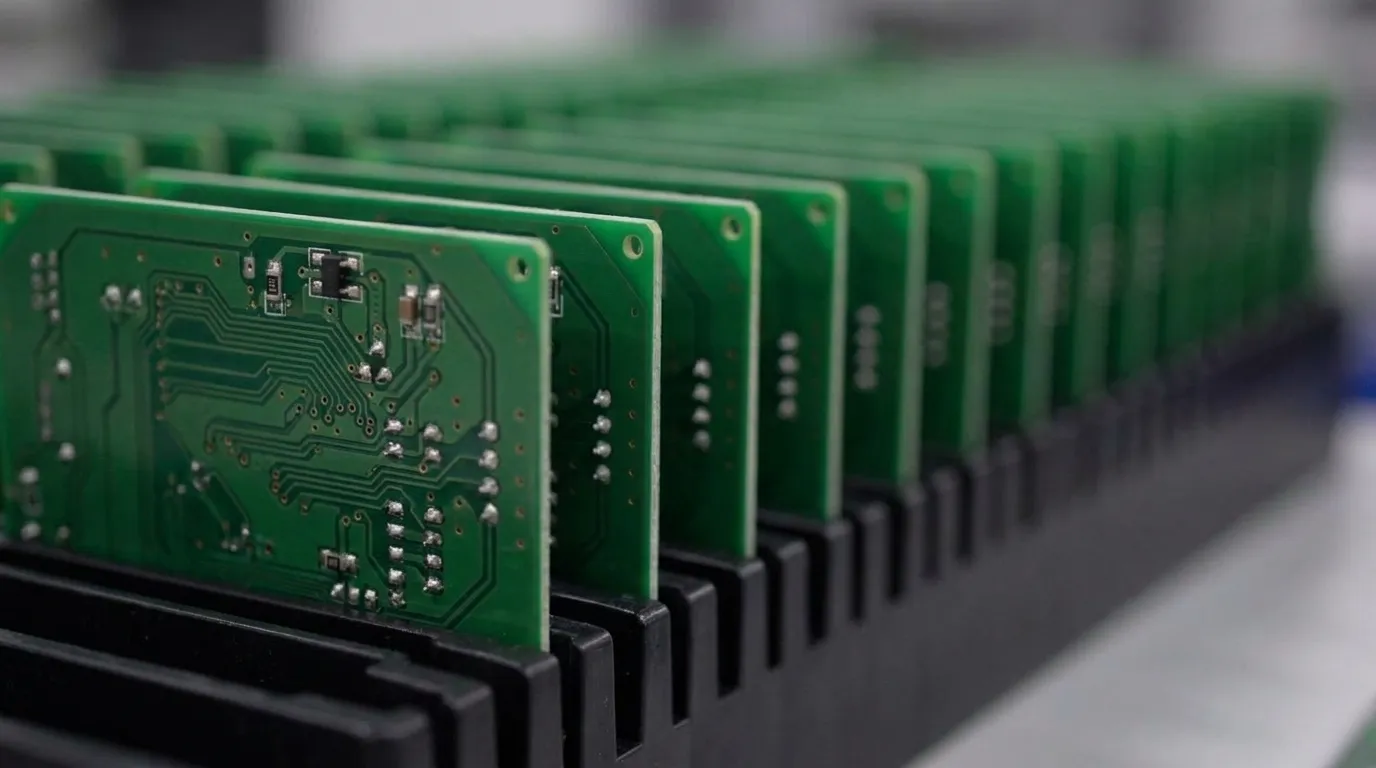
Key Takeaways on Box Build Costs
-
Box build assembly combines PCBAs, wire harnesses, enclosures and testing into complete electronic systems. Pricing depends on compliance, documentation and sourcing controls, not only labor and materials.
-
Material costs represent most of the total. Volume, complexity and testing requirements shape per-unit cost through scale and process demands.
-
Hidden costs from incomplete RFQs, multi-vendor coordination and NRE fees often exceed initial quotes. Itemized estimates and consolidated domestic partners support accurate budgets.
-
Defense and aerospace programs carry added costs from ITAR registration, AS9100 certification and traceability requirements that offshore suppliers cannot satisfy.
-
Receive an itemized, compliance-ready box build estimate from Pro-Active Engineering, a domestic ITAR-registered partner.
How Box Build Services Are Priced
Box build pricing spans a wide range based on assembly complexity, volume and compliance requirements. A complete box build assembly typically includes PCB fabrication, PCB assembly, sheet metal enclosure, wiring harness, mechanical assembly and functional testing. Total per-unit cost shifts with design complexity and production volume.
Simple assemblies with few sub-components and straightforward test requirements carry lower per-unit costs. As design complexity increases with high-density PCBAs, multi-layer cable harnesses, conformal coating and functional test, per-unit cost rises. Volume acts as a strong modifier because higher quantities reduce per-unit cost through amortization of setup and NRE fees.
Material costs represent the largest share of total box build spend. A standard cost model groups box build expenses into material costs, production and processing costs, engineering and design costs, and inspection and testing costs. These proportions shift as complexity and compliance requirements increase. The following sections examine each major cost category in detail, starting with the largest contributor.
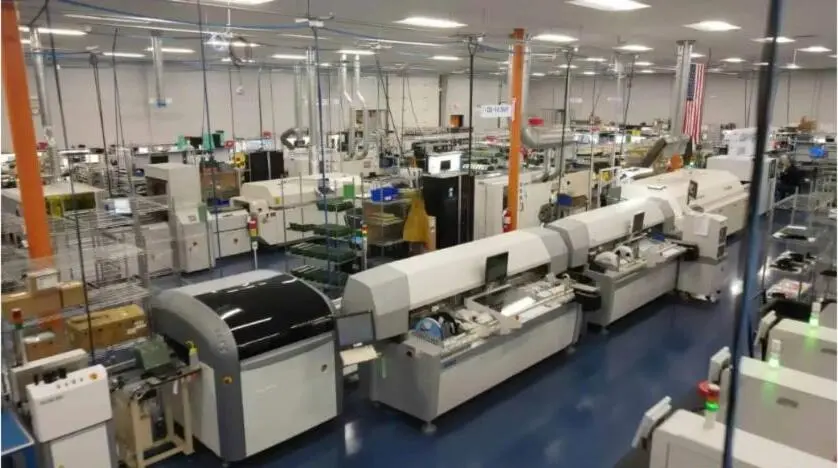
Cost Breakdown by Major Line Items
PCBA Share of Total Box Build Price
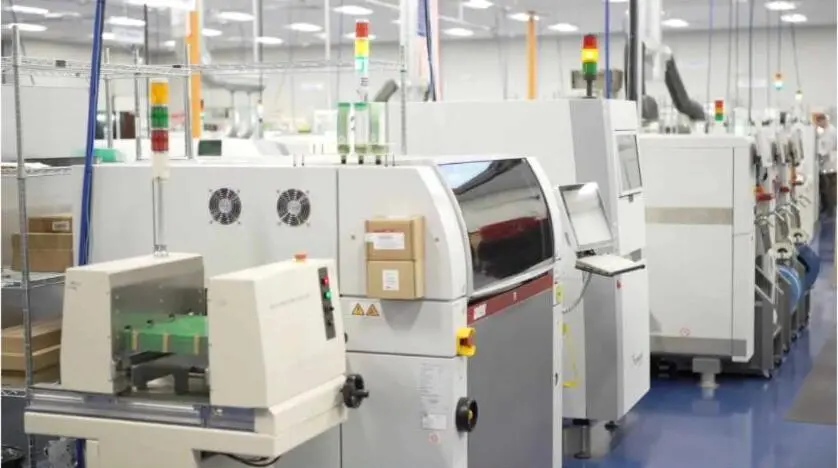
The PCBA typically represents the largest cost driver inside a broader box build price. Component sourcing alone accounts for a substantial share of PCBA cost, so bill of materials refinement becomes the primary lever for cost reduction. Turnkey component sourcing by a contract manufacturer adds a markup over BOM cost to cover procurement and supply chain management.
-
Component density and package complexity (BGA, QFN, fine pitch)
-
Layer count and board material selection
-
Component availability and lead times across device families
-
Sourcing model (consigned versus turnkey)
Enclosure and Hardware Costs
Mechanical enclosures range from standard off-the-shelf sheet metal to custom die-cast or machined housings. Custom enclosures carry tooling NRE that must be amortized across the program volume. Hardware such as fasteners, standoffs and connectors adds to the bill of materials and scales with unit count.
-
Enclosure material and finish requirements
-
Custom versus standard form factor
-
EMI shielding and environmental sealing requirements
Assembly Labor Requirements
Labor costs reflect the time required to integrate sub-assemblies, route cables, torque fasteners and prepare the unit for test. Assembly labor for box build depends on the number of discrete operations, the skill level required and the manufacturing location. U.S.-based manufacturing carries higher per-unit labor costs than offshore alternatives but removes IP risk and long logistics lead times.
-
Number of assembly steps and sub-assemblies
-
Cable harness complexity and routing constraints
-
Torque, adhesive and process-controlled operations
Testing Scope and Software Effort
Test requirements range from basic continuity checks to full functional test with software-driven stimulus and measurement. In-circuit test fixture tooling represents a significant upfront investment that becomes cost-effective at higher volumes. Flying probe testing suits lower-volume programs that cannot justify ICT tooling.
-
Test coverage requirements (ICT, functional, environmental)
-
Custom test fixture and software development
-
First-article inspection and qualification testing
Functional test systems for complex box builds often require custom software and hardware development. Suppliers capture this effort in NRE and recover it across the program life.
Conformal Coating, Potting and Final Integration
Conformal coating protects assemblies from moisture, vibration and contamination. Potting provides additional mechanical and environmental protection for harsh applications. These processes add material and labor cost and require process validation in regulated programs.

-
Coating type and coverage specification
-
Masking complexity
-
Cure and inspection requirements
Hidden Costs in Box Build Manufacturing
Incomplete RFQ packages create a primary source of cost surprises. When documentation is missing or ambiguous, suppliers build margin into quotes to cover uncertainty or issue change orders after award. Quotes that itemize only PCBA and final assembly labor often exclude integration costs such as cable harness assembly, incoming inspection, inter-site freight and rework liability.
Multi-vendor sourcing models introduce coordination overhead that rarely appears in any single supplier quote. OEMs that shift from multi-vendor sourcing to a consolidated box build partner often reduce procurement overhead through fewer purchase orders, fewer incoming inspection nodes and fewer supplier audits.
These coordination gains sit alongside other hidden cost sources that affect total program economics.
-
Component attrition and cut-tape premiums on low-volume orders
-
Board revision rework requiring new stencils and reprogramming
-
Tariff and freight exposure on offshore-sourced sub-assemblies
-
Rework and scrap yield losses from late-stage manufacturability issues
-
Documentation gaps that trigger nonconformance reports and corrective action cycles
NRE Fees for Box Build Assembly
Nonrecurring engineering covers one-time charges a supplier bills to move a product into production. NRE is separate from piece price, and the split between them is a commercial decision that affects total program cost at different volumes.
For box build programs, typical NRE elements include assembly fixtures, torque control tools, cable test boards, packaging validation, SMT stencils, programming fixtures, engineering review, sample validation and production documentation. For high-reliability defense and aerospace applications, NRE also covers dedicated functional test systems and first-article inspection.
Box build NRE cost drivers include enclosure tooling, cable harness test boards and functional test fixtures. Enclosure tooling cost varies widely based on whether the enclosure is sheet metal, injection molded or die cast. Suppliers structure NRE differently. Some bill tooling upfront, others amortize it into unit price and others waive it against a volume commitment.
In regulated industries, NRE in new product introduction often exceeds the first year of piece-price spend. Itemization and scrutiny during the RFQ process become critical. Buyers that supply existing test data or remove redundant qualification steps can reduce NRE exposure.
How Quantity, Complexity and Testing Drive Price
Volume directly shapes per-unit economics. As mentioned earlier, higher quantities spread fixed setup and NRE fees across more units. Ordering at significantly higher quantities can reduce per-unit manufacturing cost through scale in fabrication and assembly.
Complexity affects labor hours, test time and the number of process-controlled operations. High-density PCBAs, multi-layer cable harnesses and custom enclosures each add cost. The combination of high complexity and low volume produces the highest per-unit costs in box build manufacturing.
Primary price influencers across all programs include several recurring themes.
-
Annual volume and order frequency
-
Number of unique sub-assemblies and integration steps
-
Test coverage depth and fixture complexity
-
Component availability and sourcing risk
-
Documentation and traceability requirements
-
Conformal coating, potting and environmental qualification
Defense and Aerospace Pricing Factors
Regulated programs carry compliance costs that do not appear in commercial box build quotes. ITAR registration requires ongoing investment in personnel training, Technology Control Plans, access controls and documentation practices. ITAR compliance program builds form a significant ongoing cost center that ITAR-registered manufacturers absorb and reflect in pricing.
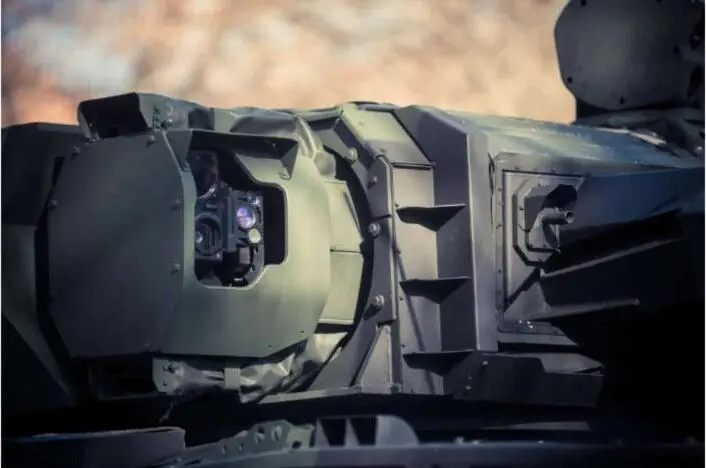
AS9100 certification adds more than 100 sector-specific requirements to a standard quality management system. AS9100 mandates documented product safety risk assessment, counterfeit parts prevention, formal configuration management, first-article inspection and supplier requirement flowdown. These obligations increase operational costs beyond initial certification.
Domestic manufacturing also provides supply chain resilience that offshore sourcing cannot match. Shifting to U.S.-based electronics assembly protects the highest-value portion of production and provides greater control over landed costs in a fast-changing tariff environment. Domestic box build pricing models for mission-critical electronics must factor in compliance, speed and resilience rather than offshore labor arbitrage alone.
Defense and aerospace pricing factors specific to regulated programs include several recurring compliance elements.
-
ITAR registration and ongoing compliance program costs
-
AS9100 audit and maintenance overhead
-
Counterfeit avoidance methodology (SAE AS5553B)
-
Full traceability and documentation control requirements
-
First-article inspection and qualification
-
Supplier flowdown and audit obligations
-
NIST 800-171 alignment and CMMC readiness
Quote-Input Checklist for Accurate Box Build Pricing
Accurate pricing depends on complete inputs. An incomplete package produces a quote with embedded uncertainty margin or a change order after award. This checklist supports complete submissions before a box build quote request.
-
Annual quantity and order frequency (prototype, low volume, production)
-
Complete bill of materials with approved manufacturer part numbers
-
Assembly drawings, mechanical models and enclosure specifications
-
Cable and harness schematics and routing requirements
-
Test requirements (ICT, functional, environmental, first article)
-
Conformal coating and potting specifications
-
Applicable standards (IPC class, AS9100, ITAR, J-STD-001)
-
Documentation and traceability requirements
-
Target delivery schedule and program milestones
-
Consigned versus turnkey sourcing preference
Submit these details to Pro-Active Engineering for an itemized, compliance-ready box build estimate from a domestic ITAR-registered partner.
Conclusion: Selecting Box Build Partners for Total Cost of Ownership
Total cost of ownership in box build programs extends beyond per-unit price. Vendor fragmentation, late-stage manufacturability issues, compliance gaps and supply chain disruptions all inflate program cost in ways that a low initial quote does not capture.
A single accountable domestic partner that integrates design, rapid prototyping, PCBA, conformal coating, testing and full system integration reduces coordination overhead. This model also removes inter-supplier rework disputes and provides a single point of traceability from concept through delivery.
Pro-Active Engineering is an ITAR-registered, AS9100-certified, Nadcap-accredited manufacturer based in Sun Prairie, Wisconsin. The company consolidates the full electronics manufacturing lifecycle under one roof and serves defense, aerospace and medical OEMs that require predictable pricing, disciplined documentation and domestic supply chain control.
Discuss a box build program with Pro-Active Engineering’s engineering and program team and align pricing with long-term program goals.
Frequently Asked Questions
What is included in a box build assembly quote?
A complete box build quote covers PCBA fabrication and assembly, mechanical enclosure, wire harness and cable assembly, integration labor, functional and electrical testing, conformal coating or potting if specified, labeling and packaging. Quotes that list only PCBA and final assembly labor often omit significant integration costs. Buyers can request itemized quotes that break out each sub-assembly, NRE, test fixture development and documentation requirements separately to support accurate comparison across suppliers.
How does ITAR compliance affect box build pricing?
ITAR compliance requires ongoing investment in personnel training, Technology Control Plans, access controls, documentation practices and annual DDTC registration. ITAR-registered manufacturers absorb these costs and reflect them in service pricing. For defense and aerospace OEMs, working with an ITAR-registered box build partner represents a program requirement, not an option. The cost of an ITAR violation, including legal fees, fines and remediation, far exceeds the compliance premium embedded in a regulated manufacturer pricing structure.
When does NRE become a significant portion of total box build cost?
NRE becomes a dominant cost factor at low volumes, where setup fees, fixture development, first-article inspection and documentation costs are amortized across fewer units. At prototype and early production quantities, NRE can represent a larger share of total program cost than recurring piece price. At higher production volumes, NRE amortizes to a small per-unit contribution. Buyers can request that NRE be itemized separately from piece price to evaluate the breakeven point and negotiate based on volume commitments or existing qualification data supplied to the manufacturer.
What drives cost differences between domestic and offshore box build assembly?
Domestic box build assembly carries higher labor rates than offshore alternatives but removes tariff exposure, ocean freight lead times, IP risk and geopolitical supply chain disruption. Component price increases, extended lead times and tariff changes have narrowed the total landed cost advantage of offshore sourcing for mission-critical programs. For defense and aerospace applications, domestic manufacturing also satisfies ITAR and program security requirements that offshore suppliers cannot meet. Total cost of ownership, including rework, logistics, compliance and supply chain risk, forms the appropriate basis for comparison, not per-unit labor cost alone.
How does Pro-Active Engineering support the full box build lifecycle?
Pro-Active Engineering integrates PCB design and engineering, rapid prototyping, PCB assembly, conformal coating, box build and full system integration under one roof in Sun Prairie, Wisconsin. Design for manufacturability enters the development phase early and reduces late-stage redesigns. Rapid prototypes are produced using full production processes, which supports a smooth transition to volume manufacturing.
The company holds ISO 9001:2015, AS9100, ITAR, JCP and Nadcap certifications and aligns to NIST 800-171 and CMMC readiness requirements. This structure provides a single accountable partner for regulated-industry programs from concept through production delivery.