
Last updated: August 25, 2026
Core Requirements for Military-Grade PCB Partners
Defense and aerospace electronics programs operate under strict compliance obligations. Clear alignment with these requirements forms the basis for evaluating any onshore partner.
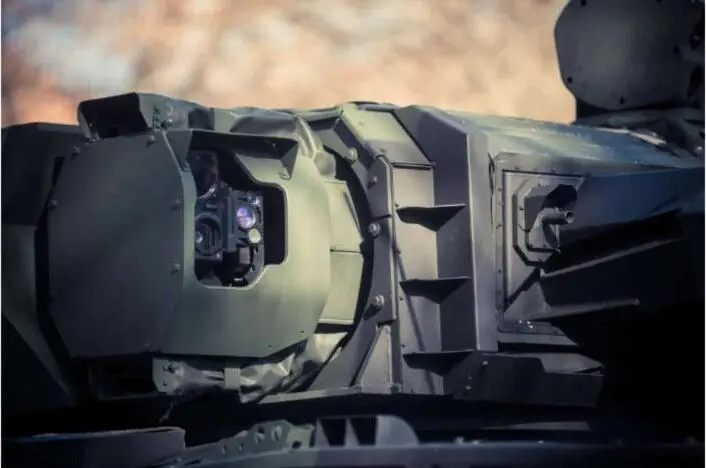
- ITAR registration: ITAR registration is required for any U.S. manufacturer producing defense articles, even when no exporting occurs. It governs how controlled technical data is handled, stored and accessed.
- AS9100 certification: AS9100 Rev D is the baseline certification required by virtually every defense prime contractor and aerospace OEM in the United States. It adds configuration management, counterfeit-part prevention and production-process verification on top of ISO 9001.
- IPC-A-610 Class 3 workmanship: IPC Class 3 is the highest acceptance level for electronic assemblies and is the standard for defense and aerospace programs where continued performance is critical.
- Full traceability: Full traceability under Class 3 ties each assembly to the specific operator, equipment, solder lots, component date codes, inspection records and test results. This requirement sits at the core of AS9100 quality systems.
- Counterfeit avoidance: Electronics account for a large share of documented counterfeit incidents in the supply chain. AS9100 mandates controlled sourcing from approved vendor lists with full MRP/ERP tracking.
- CMMC readiness: CMMC compliance level depends on whether the project involves Federal Contract Information or Controlled Unclassified Information and complements ITAR obligations for manufacturers that handle defense design data.
- Secure domestic manufacturing: Onshore production reduces IP exposure, long logistics cycles and geopolitical risk associated with offshore sourcing.
Evaluating a partner against these requirements establishes a consistent framework for comparison. Start a compliance review with Pro-Active Engineering to align on these baselines.
Seven Criteria for Selecting an Onshore PCB Partner
Military-grade PCB programs benefit from a structured evaluation approach. The following seven criteria create that structure and keep decisions focused on long-term program performance.
Engineering Depth for Complex Defense Programs
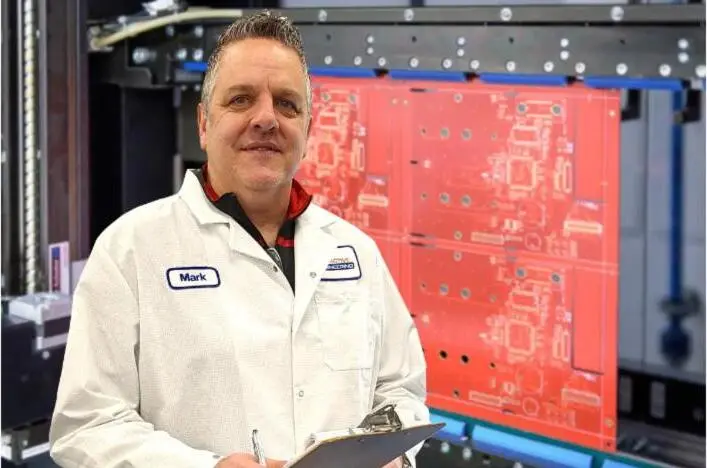
Aerospace and defense programs introduce security requirements and layered stakeholder oversight that differentiate them from other advanced manufacturing sectors. Partners without integrated engineering capability struggle to absorb that complexity and translate it into stable production.
Rapid Prototyping Built on Production Processes
Traditional contract manufacturers prioritize high-volume production, which creates bottlenecks for early-stage builds. Defense programs benefit from partners with dedicated rapid-prototyping infrastructure that uses full production processes from the first unit.
End-to-End Manufacturing Scope Under One Roof
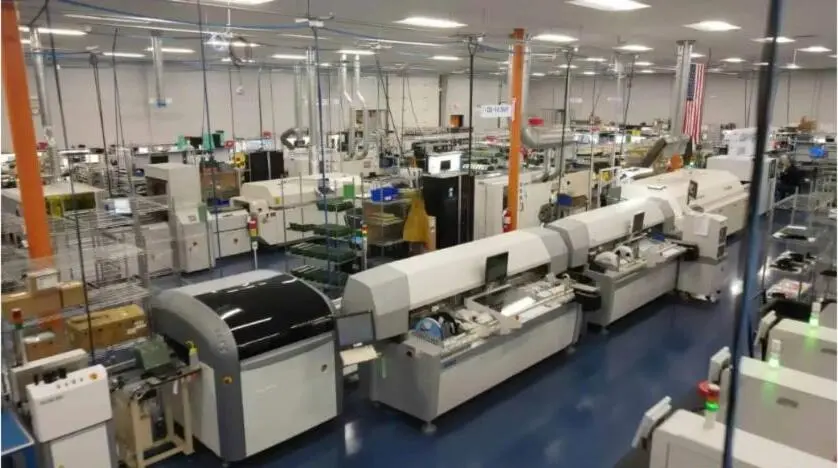
Reshoring announcements in defense-adjacent sectors hit their highest levels in the past decade during 2024 and 2025, with the trend strengthening into 2026. Domestic manufacturing scope that covers assembly, coating, testing and box build now functions as a strategic requirement, not a preference.
Quality Systems and Regulatory Compliance
Manufacturers without AS9100 are typically ineligible for the OASIS database used by defense and aerospace primes. Certification functions as a gate to participation rather than a differentiator among qualified partners.
Resilient, Controlled Supply Chains
Supply-chain disruptions from pandemic shutdowns revealed the real cost of geographic concentration and long lead times for defense requirements. Component shortages can significantly affect product launch schedules when alternative parts require redesign work, qualification testing or regulatory recertification, which increases program risk.
Scalability From Prototype to Full-Rate Production
Defense programs move from prototype to low-rate initial production and then to full-rate production. A partner that cannot scale within the same quality system forces a disruptive handoff at a critical moment in the schedule.
Lifecycle Support for Long-Service Platforms
Modern defense electronics programs often involve products with long lifecycles. Partners must support obsolescence management, rework and documentation continuity across that full span.
Review Pro-Active Engineering against these seven criteria to confirm alignment with program goals.
Strategic Trade-offs: Single Integrated Partner vs Multi-Vendor Model
The central strategic decision for any defense electronics program concerns distribution of work across multiple vendors or consolidation under a single accountable partner. This choice affects risk, cost and schedule across every phase of the program.
Engineering Accountability Across Design and Build
Multi-vendor models separate design from manufacturing, which creates accountability gaps when manufacturability issues surface late. Each party can point to the other’s scope, and multi-vendor aerospace PCB builds create multiple handoff points where documentation can get lost or misaligned. A single integrated partner keeps ownership of both design feedback and production outcomes.
Prototype Strategy and Respins
PCB designs average multiple respins before reaching volume production, and each rework cycle adds weeks and significant material costs. When prototypes run outside the production process, each respin carries additional transfer and validation risk that a unified prototype-to-production flow avoids.
Scope Consolidation and Handoff Risk
Fragmented vendors for assembly, coating, testing and box build multiply the points of failure. Each transition introduces opportunities for documentation gaps, quality escapes and schedule slippage that do not occur when one partner manages the full build.
Compliance Ownership and Audit Response
The single-source model eliminates the blame game when a defect cannot be traced to one vendor in a fragmented supply chain. One accountable party manages the entire process from design through final test and responds directly to audits and investigations.
Supply-Chain Planning at the Design Stage
Reactive procurement decisions increase costs and introduce supply-chain risks. Proactive BOM scrubbing and lifecycle risk management, integrated into the design phase, reduce exposure and support stable production plans.
Scaling Without Vendor Transitions
A single partner that uses the same processes for prototypes and production removes the qualification gap that often appears when work transfers between vendors at volume ramp. That continuity supports predictable yields and stable field performance.
Lifecycle Cost and Documentation Continuity
Total cost of ownership across a multi-year defense program often favors the integrated model. Vendor management overhead, compliance requalification and documentation reconciliation across multiple suppliers accumulate into program risk that becomes visible only after issues surface.
Defense and aerospace program leaders evaluating military grade PCB design and assembly services USA can weigh these trade-offs against program priorities. Schedule a strategy discussion with Pro-Active Engineering to explore options.
Current Best Practices Among Leading Onshore Providers
Leading onshore providers have converged on practical methods that reduce program risk and improve predictability across the seven evaluation criteria. These practices turn compliance and capability into consistent execution.
Integrated DFM and Engineering Collaboration
Design for manufacturability integrated from day one, not as a downstream review, prevents late-stage redesigns that consume schedule and budget. Teams using integrated DFM tools complete more designs annually and improve time-to-market, which supports aggressive defense program timelines.
Fast-Turn, Production-Ready Prototyping
Production-ready prototypes built on the same equipment and processes as full-rate production close the qualification gap between development and manufacturing. Dedicated fast-turn lines with AOI and inspection included provide rapid feedback while keeping results representative of full-scale builds.
Advanced Manufacturing Capabilities for Harsh Environments
Advanced interconnect capabilities, including wire bonding, flip chip assembly and hybrid high-density assemblies, extend a partner’s value beyond standard EMS providers. Thermal management solutions engineered for high-current and harsh environments address reliability requirements that standard PCB assembly cannot meet.
Embedded Quality and Training Programs
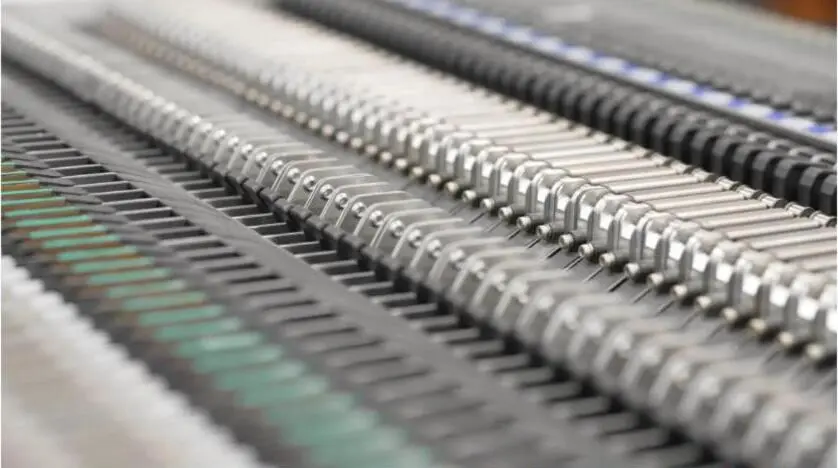
IPC Class 3 programs require inspection of all solder joints rather than statistical sampling. Formal training programs that cover process updates, workmanship standards and defect data analysis keep teams aligned with those expectations, and best-in-class providers embed these practices into standard operating procedure.
Proactive BOM Scrubbing and Risk Management
BOM scrubbing tools that flag obsolescence and lifecycle risk at the design stage prevent costly component changes after design lock. Eighty percent of Indian OEMs experience launch delays and increased development costs from late-stage engineering changes that persist through the development cycle, and proactive sourcing integration helps avoid similar patterns in defense programs.
High-Mix, Variable-Volume Production Discipline
High-mix, variable-volume assembly capability with disciplined quality control supports smooth scale from prototype through low-rate and high-rate production under one quality system. That consistency reduces surprises at each ramp.
Lifecycle Documentation and Rework Capability
Full documentation control, lot-level traceability and rework capability per IPC-7711/7722 support the long service cycles that defense programs demand. These capabilities also streamline responses to field issues and audits.
Readiness and Opportunity Assessment Checklist
The following checklist supports structured evaluation of any candidate for military grade PCB design and assembly services USA across the seven criteria.
Engineering Depth
- Does the partner employ in-house PCB layout, firmware and mechanical design engineers?
- Is DFM integrated into the design phase, not applied as a post-design review?
Prototyping Capability
- Does the partner operate a dedicated fast-turn line using full production processes?
- Is AOI and inspection included on prototype builds?
Manufacturing Scope
- Does the partner provide assembly, conformal coating, potting, functional testing and box build under one roof?
- Are advanced interconnect and thermal management capabilities available in-house?
Quality and Compliance
- Is the partner AS9100 certified, ITAR registered, Nadcap accredited and JCP certified?
- Does the partner maintain IPC-A-610 Class 3 and J-STD-001 workmanship standards with certified operators?
- Is CMMC readiness and NIST 800-171 alignment documented?
Supply-Chain Resilience
- Does the partner use a counterfeit avoidance methodology such as SAE AS5553B?
- Is BOM scrubbing and lifecycle risk management integrated into the workflow?
Scalability
- Can the partner support low-volume, high-mix builds and scale to higher volumes within the same quality system?
- Is the prototype-to-production transition managed without a vendor change?
Lifecycle Support
- Does the partner maintain full lot-level traceability and documentation control across the program lifecycle?
- Are rework and repair capabilities available per IPC-7711/7722?
Common Pitfalls and Practical Ways to Avoid Them
Engineering Depth
Engaging a manufacturer that lacks in-house engineering forces design decisions to occur without manufacturing context. Late-stage manufacturability issues then require costly redesigns. Selecting a partner where engineering and manufacturing operate within one workflow closes this gap.
Prototyping Capability
Prototypes built on different equipment or processes than production create a false sense of validation. When the design transfers to production, yield and reliability issues emerge that were not visible in prototyping. Production-ready prototyping from the first unit keeps validation aligned with real production conditions.
Manufacturing Scope
Distributing assembly, coating, testing and integration across separate vendors multiplies documentation handoffs. Each handoff point is an opportunity for documentation misalignment and accountability gaps. Consolidating scope under one partner removes those transitions.
Quality and Compliance
Compliance violations detected late in the development cycle incur higher remediation costs. Building compliance into the process from the design phase, rather than verifying it at the end, reduces that exposure.
Supply-Chain Resilience
Sourcing components outside approved vendor lists or without documented risk-mitigation processes creates counterfeit exposure. AS9100 requires sourcing components exclusively from authorized distributors or through documented risk-mitigation processes, which protects program integrity.
Scalability
Selecting a partner based solely on prototype capability without confirming production scalability forces a disruptive vendor transition at volume ramp. Confirming that the same quality system, processes and team support both phases prevents that disruption.
Lifecycle Support
Programs that lack a single accountable documentation owner accumulate traceability gaps over time. When a field issue or audit requires lot-level records, fragmented documentation across multiple vendors becomes a program liability.
Frequently Asked Questions
How predictable are lead times for military-grade PCB programs?
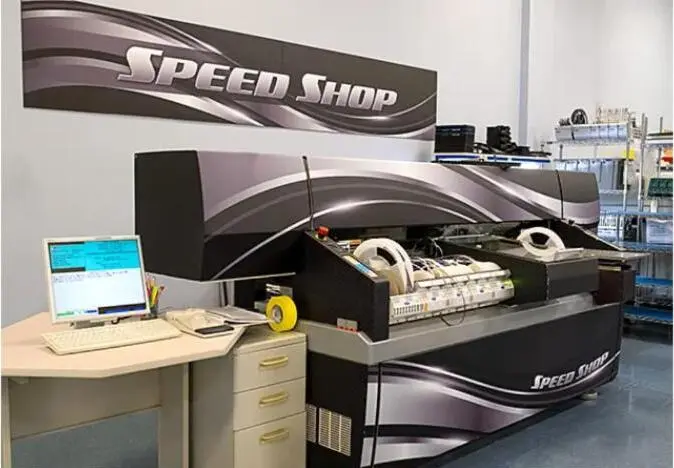
Lead time predictability depends on how well the manufacturing partner integrates scheduling, documentation and sourcing. Partners with dedicated resources and controlled processes often deliver more consistent schedules. Pro-Active Engineering’s Speed Shop provides fast-turn prototype assembly, and production runs are scheduled with proactive communication so program managers maintain clear visibility into project status.
Does consolidating to a single partner reduce total cost of ownership?
Multi-vendor programs carry hidden costs that include vendor management overhead, compliance requalification at each handoff, documentation reconciliation and late-stage redesigns when manufacturability issues surface after design lock. A single integrated partner reduces those costs by eliminating handoffs, building DFM into the design phase and maintaining one quality system across the entire program lifecycle. Per-unit cost comparisons with offshore providers do not capture these program-level savings.
How does Pro-Active Engineering handle engineering control when a customer outsources production?
Pro-Active Engineering operates as an extension of the customer’s engineering team. Design reviews, real-time production updates and transparent reporting keep customers in full control of their program. Customers gain access to in-house PCB layout, firmware development, mechanical integration and DFM expertise while retaining oversight. The integrated workflow keeps engineering decisions grounded in manufacturing context from day one.
Can Pro-Active Engineering handle specialized requirements such as advanced interconnect, thermal management and rigid-flex designs?
Pro-Active Engineering provides capabilities beyond standard EMS providers, including wire bonding, flip chip assembly, hybrid high-density assemblies and high-speed interconnect design. Thermal management solutions, including silver sintering, direct thermal path technology, advanced metal-core constructions and heavy copper integration, address high-current and harsh-environment applications. These capabilities operate in-house under the same AS9100 and ITAR-compliant quality system as standard assembly work.
What does onboarding look like for a program transitioning from another supplier?
Pro-Active Engineering’s onboarding process is structured to minimize disruption. Programs typically begin with a pilot build that demonstrates performance and process compatibility before full production transfers. Documentation, traceability records and quality requirements are established during onboarding so the transition does not create compliance gaps. Many customers start with a prototype or low-volume build and expand the relationship as confidence in the process grows.
Does Pro-Active Engineering serve customers outside the Upper Midwest?
Pro-Active Engineering serves defense and aerospace customers nationwide from its facility in Sun Prairie, Wisconsin. Domestic manufacturing reduces logistics variability associated with offshore sourcing, and the company’s distribution processes support customers across U.S. regions. Geographic proximity to the facility does not limit program support.
Is Pro-Active Engineering equipped for full-scale production or primarily quick-turn prototyping?
Pro-Active Engineering functions as a full-service electronic design and manufacturing solutions provider. The Speed Shop rapid-prototyping capability forms one part of a broader workflow that includes low- to high-volume PCB assembly, conformal coating, box build and full system integration. Customers that start with prototypes remain with Pro-Active Engineering through the entire product lifecycle, supported by the same quality system, team and documentation infrastructure.
Connect with the Pro-Active Engineering team to review program requirements in detail.
Conclusion: Applying the Seven-Criteria Evaluation Framework
The seven-criteria framework that covers engineering depth, prototyping capability, manufacturing scope, quality and compliance, supply-chain resilience, scalability and lifecycle support provides a structured basis for selecting a military grade PCB design and assembly services USA partner.
Vendor fragmentation introduces risk at every handoff. Documentation gaps, late-stage manufacturability issues, compliance exposure and prototype-to-production disconnects often follow when work distributes across multiple partners without integrated accountability.
Pro-Active Engineering consolidates design, rapid prototyping, PCB assembly, conformal coating, testing and box build into a single onshore workflow. AS9100 certification, ITAR registration, Nadcap accreditation, JCP certification and IPC-A-610 Class 3 workmanship standards operate under one quality system at one facility. Advanced interconnect and thermal management capabilities extend the company’s value beyond standard EMS providers for high-complexity defense and aerospace programs.
Program leaders evaluating ITAR AS9100 PCB assembly USA partners or IPC Class 3 military PCB manufacturing sources can apply this framework to any candidate. Pro-Active Engineering is prepared to demonstrate how its integrated capabilities align to each criterion. Begin a structured evaluation with the team.