
Last updated: August 1, 2026
Key Takeaways for ITAR PCB Programs
- ITAR-compliant PCB supplier selection for mid-volume defense and aerospace programs should prioritize engineering depth, prototyping agility and single-facility accountability over enterprise-scale capacity.
- Domestic single-location manufacturing reduces supply-chain volatility risk and supports faster response to component lead-time fluctuations compared with multi-site or offshore models.
- Integrated DFM from the design phase prevents costly late-stage redesigns and improves yield predictability across prototype-to-production transitions.
- Prototypes built on production-grade processes and equipment eliminate re-qualification delays and maintain process continuity when scaling to volume builds.
- Pro-Active Engineering delivers ITAR-registered, AS9100-certified capabilities with variable-volume flexibility and full traceability. Assess Pro-Active Engineering for an upcoming regulated program to determine fit.
Lead-Time Pressure on Defense and Aerospace Schedules
Supply-chain volatility now functions as a structural condition, not a short-term disruption. Electronic component lead times for the hardest-hit categories have stretched well beyond historical norms, with some programmable logic and RF components quoted at extended multi-month windows. Average semiconductor lead times spiked sharply in early 2026, driven by AI demand, limited capacity and geopolitical pressure, while tariffs accelerated pricing.
Scale-focused providers that manage high-volume commercial programs alongside defense contracts often prioritize their largest runs. Mid-volume regulated builds can face scheduling deprioritization in that environment. North American electronics manufacturing offers shorter supply chains, reduced exposure to international shipping disruptions and faster response to supply changes compared with offshore production. A domestic partner with dedicated prototyping infrastructure and flexible scheduling can absorb component volatility without cascading schedule risk across the program.
Pro-Active Engineering operates from a single domestic facility in Sun Prairie, Wisconsin, with design, prototyping, assembly and integration services under one roof. Discuss how single-facility manufacturing supports program schedules to evaluate how that structure reduces supply-chain risk for regulated builds.

ITAR PCB Minimum Order Quantities and Prototyping
Enterprise PCB manufacturers structure operations around high-volume throughput. That model creates friction for defense and aerospace programs that require low-quantity prototype builds, iterative design validation and smooth transitions to mid-volume production without re-qualifying a second supplier.
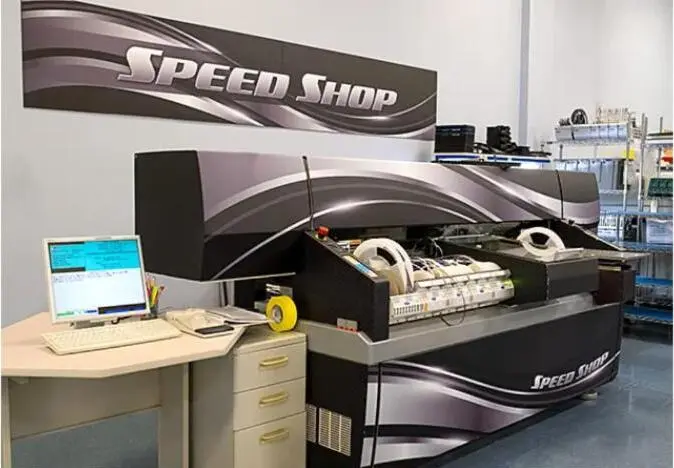
Pro-Active Engineering supports orders as small as a single unit through its dedicated Speed Shop rapid prototyping line. The same production processes used for volume builds apply to prototype runs, which means design validation data transfers directly to production without process discontinuity. That continuity reduces qualification risk and eliminates the vendor fragmentation that occurs when prototype and production suppliers differ.
Engineering Depth with Integrated DFM
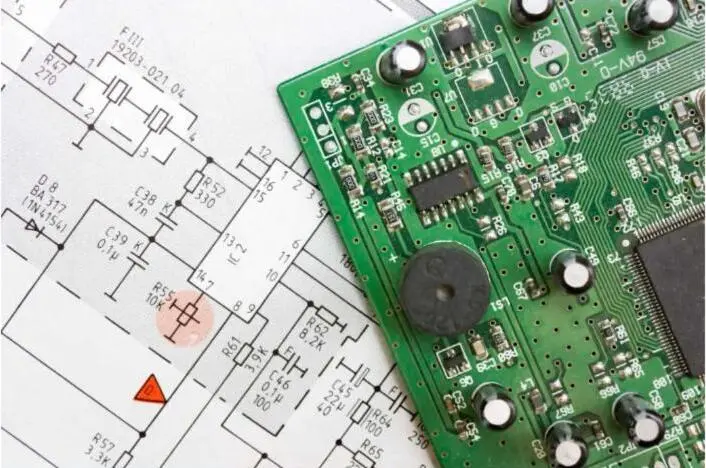
Traditional design approaches prioritize performance first with late manufacturing input, resulting in higher risk, variable cost predictability and inconsistent yield. DFM integration changes that sequence and brings manufacturing constraints into early design decisions. When manufacturing constraints inform component selection, layout and tolerances from the start, programs avoid the costly redesigns that occur after prototype approval or tooling release.
A footprint change at the schematic or layout stage is relatively inexpensive, but the same issue discovered after prototype approval can trigger a board re-spin, revised BOM, updated documentation and a new verification cycle. Pro-Active Engineering integrates DFM into the design phase rather than treating it as a pre-production checklist. Engineering and manufacturing operate within one workflow, which reduces late-stage surprises and lowers total cost of ownership across the program lifecycle.
Prototyping That Reflects Production Conditions
Prototype builds deliver maximum value when they mirror production conditions closely. A prototype assembled on a different line, with different processes or inspection standards, produces validation data that does not transfer reliably to volume manufacturing. That gap often creates prototype-to-production disconnect in programs that use separate suppliers for each phase.
Pro-Active Engineering’s Speed Shop uses the same SMT and through-hole processes, automated optical inspection and quality controls applied to full production runs. Prototypes built on that line validate designs against actual production conditions, which supports predictable yields and smoother qualification. Programs move from development to production without re-qualification delays or process-change risk, and teams gain earlier insight into long-term manufacturability.
Advanced Manufacturing Scope for Complex Programs
Defense and aerospace programs increasingly require capabilities beyond standard PCB assembly. High-density interconnect, advanced thermal management and system-level integration often span multiple vendors in traditional supply chains, which creates coordination overhead and accountability gaps.
Pro-Active Engineering provides wire bonding, flip chip assembly, hybrid high-density assemblies, silver sintering, direct thermal path technology, advanced metal-core constructions, heavy copper integration, conformal coating, potting, box build and full system integration under one roof. High-mix, variable-volume assembly with automated optical inspection supports complex builds across the full range of aerospace and defense program requirements. Advanced capabilities alone do not satisfy defense program expectations, so every process operates within a documented quality and compliance framework.
Quality, Compliance and Traceability Controls
ITAR compliance extends well beyond registration with the DDTC. ITAR compliance for PCB assembly requires documented controls including technical-data access restrictions, physical security measures, foreign-person screening, recordkeeping and annual employee compliance training, with a designated empowered official and recurring internal audits.
AS9100 traceability requirements mandate product identification at every stage by part number, revision and serial or lot number, with retention of all traceability records for a minimum of several years depending on customer or regulator requirements. Traceability gaps can result in AS9100 major nonconformity, loss of prime contractor business and ITAR violations that carry significant legal exposure.
Pro-Active Engineering holds ISO 9001:2015, AS9100, ITAR registration, JCP certification (DD Form 2345) and Nadcap accreditation. The company aligns with NIST 800-171 and maintains CMMC readiness. IPC-A-610 Class 2 and Class 3 workmanship standards, J-STD-001 soldering standards and IPC-7711/7722 rework standards apply across production. Full documentation and U.S.-person access controls support regulated program audits.
Supply-Chain Resilience and Scalable Capacity
High-tech disruption incidents rose significantly year-over-year in 2024, and disruptions can carry substantial costs for manufacturers. For OEM programs facing tariff volatility, shifting to U.S.-based electronics assembly protects the highest-value portion of production and provides greater control than importing fully assembled products.
Multi-site enterprise models distribute program risk across geographies but also distribute accountability. A single domestic location with integrated design, sourcing intelligence and manufacturing provides a shorter feedback loop when component availability changes or schedule adjustments are required. Pro-Active Engineering uses SiliconExpert for BOM scrubbing and lifecycle risk mitigation, which supports proactive counterfeit avoidance and obsolescence management aligned with SAE AS5553B.
Scalability from prototype to volume production within one facility eliminates re-qualification risk and maintains process continuity. Evaluate scalability fit for a current or upcoming program to determine whether Pro-Active Engineering’s domestic single-location model matches volume and complexity requirements.
Lifecycle Support and Total Cost of Ownership
Total cost of ownership for regulated electronics programs extends beyond unit price. Late-stage redesigns, vendor coordination overhead, compliance documentation gaps and field failures each carry costs that fabrication-only pricing models do not capture. Reshoring becomes more economically competitive once tariffs, inventory carrying costs, logistics, IP security and regulatory compliance are included in TCO modeling rather than labor rates alone.
Vendor consolidation reduces coordination costs and improves accountability. DFM integration reduces rework and redesign costs. Full traceability reduces audit preparation time and compliance exposure. Pro-Active Engineering’s integrated workflow addresses each of those cost drivers within a single program relationship.
How Pro-Active Engineering Compares on ITAR Programs
TTM Technologies operates as a large-scale PCB manufacturer with broad domestic and international capacity that serves high-volume commercial and defense programs. That scale benefits programs requiring very high volume throughput and multi-site redundancy.
For mid-volume, high-complexity or prototype-intensive defense and aerospace programs, the tradeoffs of enterprise scale become more visible. Large providers often optimize scheduling and engineering resources for their highest-volume customers. Mid-volume regulated programs may experience longer turnaround cycles, less direct engineering engagement and less flexibility on order quantities.
Pro-Active Engineering offers a different model with integrated engineering and manufacturing under one roof, DFM built into the design phase, variable-volume flexibility from single-unit prototypes to scalable production runs and a single point of accountability from concept through system integration. Advanced interconnect and thermal management capabilities such as wire bonding, flip chip, silver sintering and direct thermal path technology operate within the same workflow rather than requiring additional suppliers. For programs where engineering integration, schedule agility and compliance depth matter more than raw volume capacity, that model reduces program risk.
Buyer Checklist for ITAR PCB Supplier Evaluation
Use the following criteria when shortlisting ITAR-compliant PCB suppliers for defense and aerospace programs. Start with baseline compliance verification, then evaluate operational capabilities that affect program execution and long-term scalability.
- Confirm ITAR registration with the DDTC, including a current compliance manual, empowered official and documented employee training records.
- Verify AS9100 certification and review traceability documentation practices, including part identification, serial and lot number controls and record retention policies. These elements form the quality foundation for all subsequent manufacturing activities.
- Assess engineering collaboration capability and determine whether the supplier integrates DFM into the design phase or applies it only as a pre-production review. Early DFM integration prevents costly redesigns that compliance alone cannot address.
- Evaluate prototyping process alignment and confirm that prototype builds use the same processes, equipment and inspection standards as volume production.
- Confirm MOQ flexibility and the supplier’s ability to support variable-volume programs without re-qualification between prototype and production phases.
- Review supply-chain controls and determine whether the supplier uses BOM scrubbing tools, counterfeit avoidance procedures aligned with SAE AS5553B and domestic sourcing practices.
- Assess advanced capability scope and confirm that the supplier can support high-density interconnect, thermal management, conformal coating and system integration within one workflow.
- Confirm U.S.-person access controls on technical data, engineering files and manufacturing documentation for ITAR-controlled programs.
- Request documentation on NIST 800-171 alignment and CMMC readiness for programs involving controlled unclassified information.
- Evaluate the scalability path and confirm that the supplier can grow with the program from early prototypes through volume production without introducing new suppliers or process changes.
Frequently Asked Questions
How do ITAR requirements affect supplier selection for defense programs?
ITAR registration functions as a baseline requirement, not a complete compliance posture. Defense programs require suppliers to maintain documented access controls on technical data, restrict engineering files and manufacturing documentation to U.S. persons, conduct foreign-national screening and retain manufacturing activity records for a minimum period. Suppliers must also designate an empowered official, maintain a current compliance manual and conduct recurring employee training. Program managers should request evidence of these controls rather than relying on registration status alone, because a supplier that holds ITAR registration but lacks documented compliance infrastructure creates program exposure.
What certifications matter most for high-reliability aerospace PCBs?
AS9100 functions as the foundational quality management standard for aerospace suppliers and is required by most prime contractors. It builds on ISO 9001 with aerospace-specific requirements including product traceability, configuration management and first article inspection. Nadcap accreditation is required for special processes such as conformal coating and certain surface treatments. JCP certification (DD Form 2345) is required for access to military specifications and standards. IPC-A-610 Class 3 workmanship standards apply to high-reliability assemblies. Suppliers serving aerospace programs benefit from holding all of these certifications and from demonstrating active compliance rather than certification-in-name-only.
How does integrated DFM reduce program risk compared with traditional models?
Traditional contract manufacturing models treat DFM as a gate review before production begins, after design decisions that affect yield, assembly complexity and component availability are already locked in. Integrated DFM connects engineering and manufacturing from the start of the design phase, which aligns component selection, layout rules and tolerances with actual production capabilities before any prototype is built. As discussed in the DFM section above, that alignment reduces late-stage redesigns, board re-spins and yield variability. Integrated DFM also improves supply-chain resilience by identifying long-lead or obsolescence-risk components early, when substitution remains straightforward and schedule impact stays limited.
Can a domestic partner scale with growing production volumes?
Scalability depends on alignment between prototyping and production processes. When a supplier uses the same equipment, inspection standards and quality controls for prototype builds as for volume production, the transition from development to manufacturing does not require re-qualification. Pro-Active Engineering’s Speed Shop produces prototypes using full production processes, which means design validation data applies directly to volume builds. The company supports orders from single units through scalable production runs within the same facility and quality management system, which eliminates the supplier change risk that occurs when prototype and production vendors differ.
Next Steps for Selecting an ITAR PCB Partner
Program leads evaluating ITAR-compliant PCB suppliers benefit from beginning with an internal requirements mapping exercise. Document the program’s volume profile, design complexity, certification requirements, traceability expectations and timeline constraints before engaging suppliers. That baseline makes supplier comparisons meaningful and shortlisting faster.
From there, request technical capability reviews from shortlisted suppliers. Ask for evidence of AS9100 and Nadcap compliance, ITAR documentation practices, DFM integration processes and prototyping infrastructure. Evaluate whether the supplier’s engineering team engages at the design phase or only at the point of file submission.
Pro-Active Engineering supports that evaluation process directly. The team reviews program requirements, identifies capability alignment and provides engineering input before a formal engagement begins. For programs where schedule, compliance and engineering integration are deciding factors, that conversation provides a practical starting point.
Start your supplier evaluation and connect with Pro-Active Engineering’s team to assess capability alignment for an upcoming defense or aerospace program.