
Last updated: August 9, 2026
Key Takeaways
- High-reliability PCB design and layout services cover the full path from initial layout through production-scale assembly under documented quality controls.
- IPC Class 3, AS9100, ITAR registration and program-specific certifications form the baseline for defense, aerospace and medical applications.
- Early collaboration on stackup, impedance and thermal requirements prevents late design changes and supports consistent manufacturability.
- Integrated design-to-production workflows reduce handoff risk, maintain traceability and cut prototype-to-production re-qualification cycles.
- Pro-Active Engineering delivers end-to-end high-reliability PCB services under one roof. Share program requirements with our team to start the process.
Matching PCB Programs to Required Standards and Certifications
IPC Class 3 sets the highest reliability level in the IPC acceptability framework. Programs use it when continuous performance is critical and downtime is unacceptable. Aerospace, defense and medical programs routinely require IPC Class 3 workmanship and inspection criteria, with application-specific addenda for space, military avionics and medical implants.
Certification requirements vary by program type and contract language. Defense and aerospace programs often require AS9100 registration, ITAR compliance and IPC Class 3 workmanship. Medical programs may require ISO 13485 along with IPC Class 3. Because IPC class does not automatically follow from the industry sector, programs should specify the exact IPC class and revision in drawings, contracts or product requirements.
Pro-Active Engineering holds ISO 9001:2015, AS9100, ITAR registration, JCP certification and Nadcap accreditation. This certification stack supports defense, aerospace and industrial programs that need disciplined documentation, full traceability and assemblies built for long service cycles.
Discuss certification needs for a specific program with Pro-Active Engineering.
Aligning Layer Count and Technology with Program Demands
Once certification requirements are clear, the next decision is layer count and technology. Signal density, impedance needs, thermal load and mechanical constraints of the end-use environment drive this choice. High-density interconnect designs, blind and buried vias and advanced stackups support mission-critical applications where board space is tight and performance margins are narrow.
Engineers should define impedance requirements for every critical interface before layout starts. Retrofitting impedance after routing forces trace width changes that ripple into spacing, routing and clearance conflicts. Early stackup decisions, made with the fabricator, allow target impedances with geometries that remain practical to build.

Thermal management requirements also shape layer count and material selection. High-power and high-current designs benefit from thermal-focused PCB architectures, including metal-core constructions and direct thermal path technologies. These approaches lower thermal resistance and support longer product life.
AS9100 and ISO 9001 in High-Reliability PCB Programs
ISO 9001:2015 provides a foundational quality management framework across industries. It defines requirements for process control, documentation, corrective action and continuous improvement. Most electronics manufacturers treat ISO 9001:2015 as a baseline.
AS9100 builds on ISO 9001:2015 with requirements tailored to aerospace and defense. It adds risk management, configuration control, first-article inspection, key characteristics and counterfeit-part prevention that ISO 9001 alone does not require. Programs with contractual traceability, configuration management and supplier control requirements align with AS9100 as the governing framework.
Pro-Active Engineering maintains ISO 9001:2015 and AS9100 registration, along with Nadcap accreditation. This quality infrastructure supports regulated defense, aerospace and industrial programs that need structured control and documentation.
ITAR-Registered PCB Partners for Secure Domestic Manufacturing
Reshoring to the United States anchors defense-critical capacity close to program sponsors. Domestic manufacturing supports supply chain control, intellectual property protection and faster response to urgent requirements compared with offshore or nearshore options. For programs involving controlled technical data or defense articles, ITAR registration functions as a legal baseline rather than an optional credential.
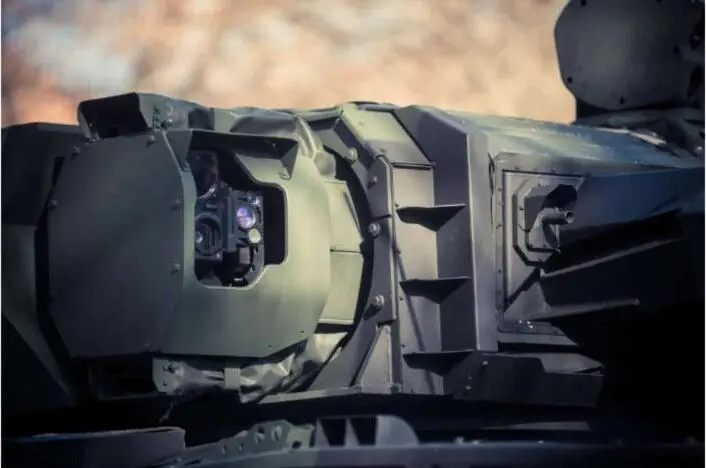
ITAR-registered providers maintain access controls, data-handling procedures, documentation practices and personnel training records consistent with DDTC requirements. These controls protect controlled technical data across design and manufacturing workflows. Offshore providers, regardless of quality certifications, do not hold equivalent regulatory standing for ITAR-controlled programs.
Pro-Active Engineering is ITAR-registered and maintains NIST 800-171 alignment and CMMC readiness. This posture supports programs that require secure domestic manufacturing from design through production.
Controlled Impedance, Thermal Performance and Power Integrity
Controlled impedance design depends on fabricators meeting impedance targets when stackup geometry is defined correctly. Impedance planning must sit inside the initial stackup definition, not appear after routing finishes. Every controlled-impedance build benefits from impedance test coupons that allow fabricators to compare actual fabricated impedance with design targets.
Power integrity analysis confirms that the power distribution network maintains stable voltage across the required bandwidth. Thermal analysis highlights heat concentration early, before layout decisions lock in component placement and copper pours. Fragmented workflows often miss these links. Common failure modes include impedance targets not applied to layout and stackup changes not reflected in impedance rules, discovered only during post-fabrication testing or integration.
Pro-Active Engineering integrates signal integrity, power integrity and thermal analysis into the design phase. Advanced interconnect capabilities, including wire bonding, flip chip assembly and hybrid high-density assemblies, support mission-critical applications that exceed the performance range of standard PCB assembly.
Reducing Prototype-to-Production Risk with Integrated Workflows
Workflow fragmentation in PCB design becomes visible at predictable scaling points. These include the move from prototype to production, the introduction of formal design reviews with traceability requirements and the support of multiple concurrent projects. At each point, disconnected vendors create communication gaps, revision-tracking failures and diluted accountability.
When accountability spreads across several vendors, programs face finger-pointing, higher costs and delays during deviations or quality issues. The program sponsor still holds responsibility for outsourced activities, regardless of how duties spread across contract organizations.
Pro-Active Engineering uses an integrated workflow that connects PCB design, rapid prototyping through the Speed Shop, full-scale assembly, conformal coating, testing and box build under a single accountable partner. Design for manufacturability enters at the design phase, so prototyping and production use the same processes. This continuity reduces translation errors and re-qualification cycles that fragmented models create.
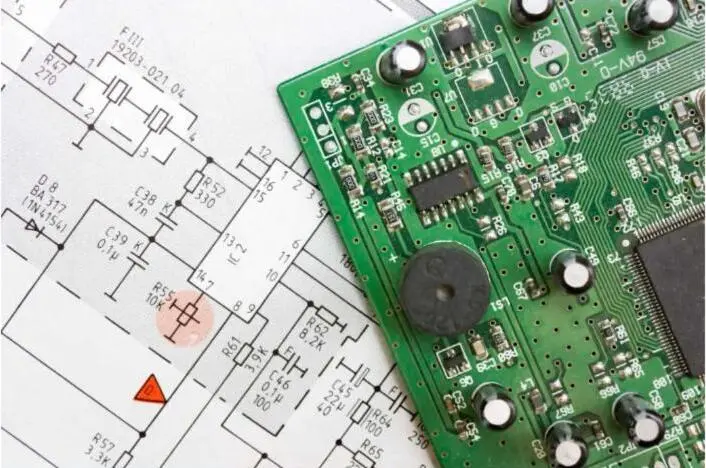
Explore how our integrated workflow reduces handoff risk on upcoming programs.
8-Item RFQ Checklist for High-Reliability PCB Partners
This checklist supports evaluation of domestic partners for high-reliability PCB design and layout services.
- Certifications: Confirm AS9100, ISO 9001:2015, ITAR registration and any program-specific accreditations such as Nadcap or JCP.
- IPC class: Verify that the partner routinely builds to IPC Class 3 workmanship and inspection standards.
- Design integration: Confirm that PCB layout, DFM, signal integrity and thermal analysis occur in-house, not through subcontractors.
- Stackup and impedance control: Confirm that controlled-impedance stackups are defined collaboratively with engineering before layout begins.
- Prototype-to-production continuity: Confirm that prototype builds use the same processes, materials and inspection criteria as production runs.
- Traceability and documentation: Verify that full lot traceability, revision control and first-article inspection documentation are standard deliverables.
- Advanced interconnect capability: For high-density or high-power applications, confirm availability of wire bonding, flip chip, thermal management and HDI assembly.
- Counterfeit avoidance: Confirm that the partner applies a formal counterfeit-part prevention methodology such as SAE AS5553B and uses BOM lifecycle management tools.
From Requirements Mapping to a Shortlist of PCB Partners
Internal requirements mapping forms the starting point. Programs define applicable certifications, IPC class, layer count and technology needs, controlled-impedance interfaces, thermal constraints and production volume expectations. This requirements map then guides partner evaluation and RFQ structure.
Supplier shortlisting for high-reliability programs should favor partners that hold required certifications, demonstrate integrated design-to-production capability and show documented traceability from design release through production delivery. Reshoring and foreign direct investment have driven announcements of more than 2 million US manufacturing jobs since 2010, with an estimated 1.7 million filled. The domestic supplier base has expanded, yet certification depth and integration capability still separate leading options.
Technical reviews with shortlisted partners should cover stackup philosophy, DFM integration, prototype-to-production continuity and quality system documentation. Partners that demonstrate a unified workflow, where design engineers and manufacturing engineers operate in the same system, reduce program risk compared with fragmented models.
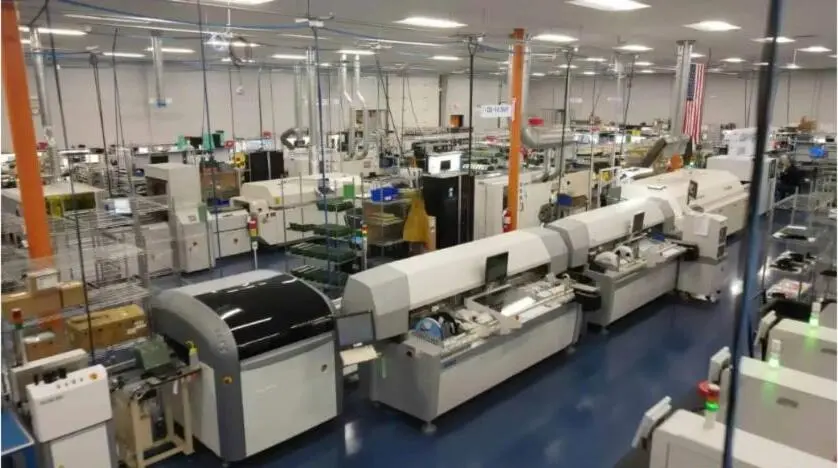
Pro-Active Engineering provides an end-to-end workflow from PCB layout and firmware development through rapid prototyping via the Speed Shop, scalable assembly, advanced interconnect and thermal solutions, conformal coating, testing and full system integration. The certifications mentioned earlier support programs across defense, aerospace and industrial sectors. All services operate under one roof in Sun Prairie, Wisconsin, which reduces vendor friction and total cost of ownership.
Compare program requirements with Pro-Active Engineering’s capabilities to begin supplier evaluation.
Frequently Asked Questions
What is the difference between AS9100 and ISO 9001 for PCB programs?
ISO 9001:2015 provides a general quality framework for process control, documentation, corrective action and continuous improvement. AS9100 incorporates all ISO 9001 requirements and adds aerospace and defense requirements for risk management, configuration control and counterfeit-part prevention. As outlined earlier, programs with contractual traceability and configuration management needs align with AS9100 as the governing framework.
Why does ITAR registration matter when selecting a PCB design and layout partner?
ITAR registration is a legal requirement for manufacturers that handle defense articles or controlled technical data under the US Munitions List. An ITAR-registered partner maintains documented access controls, data-handling procedures, foreign-national access restrictions and personnel training records consistent with DDTC requirements. These controls protect controlled technical data across design and manufacturing workflows. Selecting a non-ITAR-registered partner for ITAR-controlled work creates compliance exposure that the program sponsor must manage.
How does integrating DFM into the design phase reduce risk for high-reliability programs?
Design for manufacturability integration brings manufacturing engineers into early design decisions such as stackup, component placement, via structures and thermal architecture. This approach prevents late manufacturability issues that appear when a design-only firm hands work to a separate contract manufacturer. Common failure modes in fragmented workflows include impedance targets not applied to layout, component height violations between mechanical and electrical design and stackup changes not reflected in impedance rules. These issues often surface during post-fabrication testing or system integration, when corrections cost the most. An integrated partner that manages design and manufacturing within one workflow identifies these issues during design, when changes remain practical.
What capabilities distinguish a high-reliability PCB partner from a standard contract manufacturer?
High-reliability PCB partners hold certifications such as AS9100, ITAR, Nadcap and JCP that standard contract manufacturers often lack. They build to IPC Class 3 workmanship and inspection standards, maintain full lot traceability and revision control and apply counterfeit-part prevention methodologies. These partners also offer advanced interconnect capabilities such as wire bonding, flip chip assembly and hybrid high-density assemblies, along with engineered thermal solutions including silver sintering, direct thermal path technology and metal-core constructions. These capabilities support aerospace, defense and industrial applications that exceed the demands of standard PCB assembly.
Can a single partner manage the full lifecycle from PCB design through production?
An integrated partner that performs PCB layout, DFM, rapid prototyping, scalable assembly, testing, conformal coating and system integration within one workflow can manage the full lifecycle. The key requirement is consistent processes, materials and inspection criteria from prototyping through production, so successful development builds scale without re-qualification. Pro-Active Engineering’s Speed Shop delivers rapid prototypes using full production processes, and the integrated engineering-to-production workflow keeps early design decisions aligned with production builds. This continuity reduces the prototype-to-production disconnect that often drives late-stage program risk.