
Last updated: August 21, 2026
Why Early DFM Matters on Complex PCB Assemblies
- DFM for complex PCB assemblies sets stackup symmetry, via structure, thermal paths and test access before fabrication, which prevents late failures.
- Embedding DFM from day one raises first-pass yield, cuts respins and strengthens interconnect reliability on HDI, BGA and high-power designs.
- Integrated DFM and DFT reviews improve test coverage and panelization efficiency, which reduces yield loss and total cost of ownership on regulated work.
- Supply chain risk control and smooth prototype-to-production transitions improve when DFM becomes part of the design workflow, not a post-layout check.
- Pro-Active Engineering integrates DFM into every phase of design and production; start a DFM-focused quote discussion to reduce risk on the next program.
The Problem: Late-Stage DFM on High-Density Boards
Complex PCB assemblies concentrate risk because they combine multiple high-density technologies in a single design. HDI stackups, fine-pitch BGAs, mixed SMT and through-hole populations, heavy copper layers and controlled-impedance routing each introduce failure modes that are inexpensive to prevent at the design stage and costly to fix after fabrication begins.
Eight recurring pain points drive the majority of late-stage failures on regulated programs:
- Manufacturability issues that surface during CAM review or first-article inspection
- First-pass yield loss from via defects, solder bridging or BGA escape-routing problems
- Thermal imbalance that causes warpage, solder-joint fatigue or component derating in high-power designs
- Fine-pitch soldering defects from insufficient solder mask clearance, stencil aperture mismatch or pad geometry errors
- Test coverage gaps that allow defective boards to ship when probe access is insufficient for the production volume
- Panelization inefficiency that increases material cost and reduces throughput
- Supply chain obsolescence discovered after design freeze, which forces mid-program component substitutions
- Prototype-to-production disconnect when prototype processes differ from production processes and mask yield problems until volume ramp
Each of these failures follows a predictable pattern. The cost curve for design changes rises sharply once physical production has begun. A footprint correction at the layout stage is a minor revision. The same correction after prototype approval triggers a board respin, revised BOM, updated documentation and a new verification cycle. For aerospace, defense and medical programs operating under IPC-A-610 Class 3 workmanship requirements, the compliance exposure compounds the schedule and cost impact. Embedding DFM from the earliest design phase addresses these failure modes before they reach production.
The Solution: Eight Specific Gains From Early DFM
1. Higher First-Pass Yield on HDI and Fine-Pitch Designs
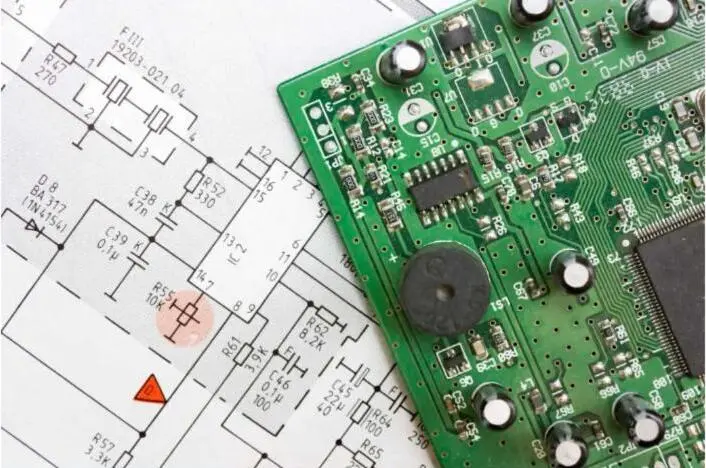
Via structure often drives yield loss on HDI boards. Switching from stacked to staggered via layouts, enforcing minimum trace widths and increasing annular rings raises first-pass yield on complex HDI designs and lowers thermal-cycle failure rates. Early DFM flags these structural issues before lamination, when corrections remain straightforward. Pro-Active’s PCB Design & Engineering team builds DFM into the design phase, so via geometry, escape routing and stackup decisions align with production process capability from the start.
2. Fewer Respins on BGA and High-Layer-Count Boards
HDI design respins discovered during fabrication carry significant direct costs and schedule impact. Early DFM review prevents these issues by checking via-in-pad eligibility, stacked-to-staggered via conversion options and impedance stackup details. For fine-pitch BGAs, via-in-pad structures must be epoxy-filled and cap-plated to prevent solder wicking during reflow. Unfilled vias cause open or starved joints and yield loss. Identifying these requirements at the layout stage removes the need for a respin and keeps the build on schedule.
3. Thermal Failure Prevention in High-Power Designs
Thermal management starts as a board-architecture decision. Prevention of thermal failure in high-power PCBs requires heat control planned during PCB design and material selection, including copper weight, thermal via placement and heat-spreading paths. Thermal stress from coefficient-of-thermal-expansion mismatch between copper plating and laminate materials drives via barrel cracking and delamination in multilayer PCBs, particularly during soldering reflow or operational thermal cycling. Pro-Active’s Thermal Management capabilities, including silver sintering, direct thermal path technology and advanced metal-core constructions, enter the design conversation early so thermal limits are addressed before layout locks.

4. Interconnect Reliability for Mission-Critical Applications
Early DFM review of stackup symmetry, copper balance, via aspect ratios and material ratings identifies thermal, mechanical and insulation risks before fabrication. This approach reduces late-stage respins and supports compliance with IPC-6012 and mission-critical standards such as AS9100. HDI designs increase susceptibility to conductive anodic filament failure because reduced conductor spacing, dense via fields and sequential lamination cycles shrink effective insulation distance. Pro-Active’s Advanced Interconnect capabilities, including wire bonding, flip chip assembly and hybrid high-density assemblies, rely on DFM practices that address these reliability risks at the design stage.
5. Integrated DFT for Adequate Test Coverage
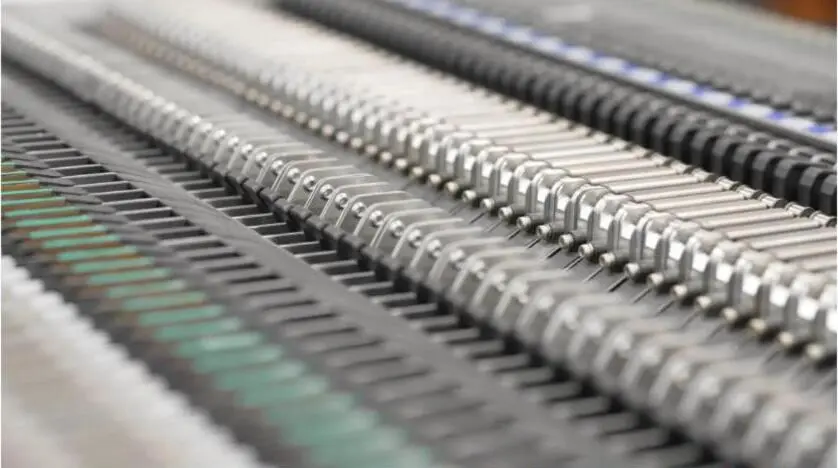
DFM and design for test address different failure modes and work best together. DFM protects yield at the printer, placement machine, reflow oven and inspection station, while DFT protects the buyer when a board passes assembly but still needs electrical proof on every shipped unit. On high-density boards, routing density often displaces test point access, which may work at low prototype volumes but creates unacceptable risk at production scale. Two DFM and DFT review gates are recommended, one before prototype release and another before production tooling. Pro-Active’s workflow includes flying probe, in-circuit and functional testing, with test access requirements reviewed during the design phase.
6. Panelization and Assembly Yield Improvements
Panel-utilization improvements identified during DFM review can raise board utilization and reduce total cost of ownership for HDI production. Panelization decisions such as rail width, breakout method, fiducial placement and board orientation affect solder paste deposition, component placement accuracy, reflow thermal uniformity and depaneling stress on fine-pitch joints. Addressing these factors during design, rather than at the CAM stage, prevents last-minute geometry changes that delay production release.
7. Supply Chain Resilience Designed Into the BOM
DFM reviews create a checkpoint to evaluate component selection against supply chain risk criteria such as lead-time profiles, single-source dependencies, geographic concentration and lifecycle status. Risk addressed at the design review stage often costs less to mitigate than risk handled during a production crisis. Pro-Active integrates SiliconExpert for BOM scrubbing and lifecycle risk mitigation and applies SAE AS5553B counterfeit avoidance methodology, so component risk is identified and reduced before design freeze rather than discovered during a shortage.
8. Seamless Prototype-to-Production Transitions
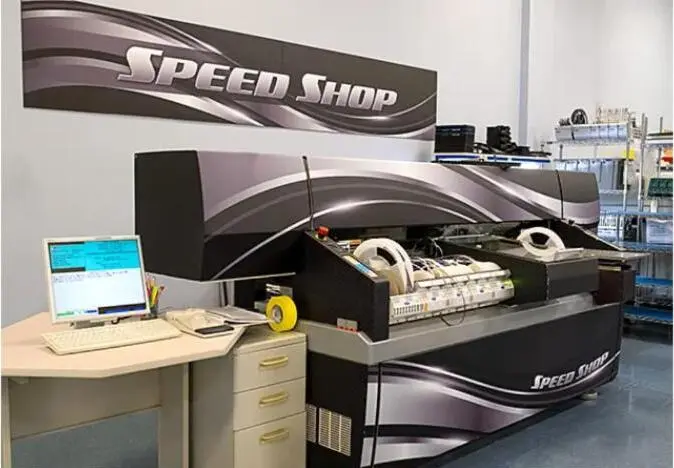
For regulated products, certification planning, including AS9100 for aviation, traceability requirements and controlled processes, starts during concept development. Late-stage verification risks launch delays even when manufacturing stands ready. Pro-Active’s Speed Shop delivers rapid prototypes using full production processes, the same SMT lines, inspection equipment and quality controls used for volume production. This structure removes the prototype-to-production disconnect that hides yield problems until volume ramp and helps ensure that what passes prototype validation scales predictably into production.
Engineering teams working on regulated programs can connect with Pro-Active’s DFM team to plan integration from the earliest design phase.
How Provider Models Handle Complex, Regulated Work
Provider structure shapes the level of DFM value available on complex, regulated programs. Each model transfers a different share of risk to the customer.
Volume-focused EMS providers prioritize throughput on high-volume, stable designs. Engineering involvement stays limited, DFM feedback often arrives reactively and low-to-mid volume programs with high design complexity receive less attention. Compliance posture varies, and some large EMS providers lack AS9100, Nadcap accreditation or ITAR registration.
Design-only firms deliver layout and engineering services but hold no production ownership. DFM recommendations arrive without accountability for whether they translate to yield on a specific production line, and the prototype-to-production handoff introduces risk at every transfer.
Local job shops provide proximity and responsiveness but often lack advanced interconnect capabilities, automated inspection infrastructure and compliance certifications required for aerospace, defense and medical programs.
Pro-Active Engineering operates as a single-workflow partner. Design, rapid prototyping, PCB assembly, advanced interconnect, thermal management, conformal coating and system integration run under one roof and one quality management system. ISO 9001:2015, AS9100, ITAR registration, JCP certification and Nadcap accreditation apply to the same workflow that produces prototypes and production runs. DFM functions as a core part of the design phase and carries through to production.

Frequently Asked Questions
How early DFM affects prototype lead times
DFM review during the design phase prevents CAM-stage rework and design iterations that extend prototype lead times. By resolving manufacturability issues before Gerber release, the prototype build proceeds without interruption and avoids delays that arise when problems surface during CAM processing. Pro-Active’s Speed Shop follows this approach, with DFM integration built into the design workflow rather than added as a separate gate, which supports rapid prototype turnaround using full production processes.
How DFM impacts total cost of ownership
DFM reduces total cost of ownership by helping eliminate respins, cut yield loss, prevent late-stage component substitutions and avoid compliance gaps that require re-verification. For regulated programs, a single late-stage respin can trigger documentation updates, re-inspection and re-qualification cycles that add substantial cost compared with an early DFM review. Pro-Active’s integrated workflow consolidates these costs under one accountable partner.
Onboarding a new program at Pro-Active Engineering
Pro-Active’s onboarding process aims to minimize disruption. Programs can start with a prototype or pilot build to validate performance and process fit before shifting to volume production. The integrated workflow, with design, prototyping, assembly and test under one roof, keeps documentation, traceability and quality controls consistent from the first prototype through production scale. Many customers begin with a single prototype and remain with Pro-Active through the full product lifecycle.
Support for both prototypes and production-scale builds
Pro-Active supports programs from single-unit R&D builds through low-to-mid volume production runs. The Speed Shop handles rapid prototypes with a minimum order quantity of one unit, using the same SMT lines, AOI and quality controls as production builds. This continuity helps ensure that prototype results predict production yield and that scaling does not introduce new process variables.
Compliance and traceability capabilities at Pro-Active
Pro-Active holds ISO 9001:2015, AS9100, ITAR registration, JCP certification and Nadcap accreditation. The quality management system covers documentation control, full traceability, workmanship standards per IPC-A-610 and J-STD-001, rework and repair per IPC-7711/7722 and NIST 800-171 alignment with CMMC readiness. These controls apply to every program, from prototype through production, and are supported by Manex ERP for real-time operational analytics and scheduling.
Decision Checklist for Evaluating a DFM Partner
The following criteria help determine whether a DFM partner can support complex, regulated programs:
- DFM is integrated into the design phase, not performed as a file-level review at Gerber handover
- The same engineering team that performs DFM owns the production outcome
- Prototype processes match production processes so prototype results remain predictive
- Advanced interconnect capabilities, including HDI, fine-pitch BGA, wire bonding and flip chip, are available in-house
- Thermal management is treated as a board-architecture decision, not an assembly afterthought
- BOM-level supply chain risk review forms part of the DFM process, not a separate engagement
- Compliance certifications such as AS9100, ITAR and Nadcap apply to the same workflow used for production
- Test strategy, including DFT, ICT, flying probe and functional test, is reviewed alongside DFM before prototype release
- The partner can scale from single-unit prototypes to production volume without a process handoff
Programs that require this level of integration can engage Pro-Active for a DFM readiness review and start the conversation.
Conclusion: One Workflow From Design Through Production
DFM functions as an engineering discipline, not a final review step. On complex PCB assemblies such as HDI stackups, fine-pitch BGAs, high-power multilayer boards and regulated programs, DFM determines whether a design reaches production at yield, on schedule and in compliance. Late-stage DFM creates avoidable respins, yield loss, thermal failures, test coverage gaps and supply chain exposure. Early DFM, embedded in the design phase and carried through by the same team that builds the board, reduces these risks before they reach the production line.
Pro-Active Engineering’s integrated workflow, from PCB Design & Engineering and rapid prototyping through advanced interconnect and thermal management, follows this principle. One partner, one quality system and one accountable workflow connect concept to production. Discuss program-specific DFM needs with Pro-Active’s team to see how early integration can reduce risk on the next program.