
Last updated: August 10, 2026
Key Takeaways for High-Reliability Programs
- Engineering-led DFM embeds manufacturability analysis at the schematic stage and removes late-stage compliance and process risk.
- Fragmented vendor ecosystems create accountability gaps, delayed defect discovery and repeated validation cycles that raise cost and schedule exposure.
- Pro-Active Engineering consolidates PCB design, rapid prototyping, assembly, advanced interconnect, thermal management and box build in one facility with full traceability.
- AS9100, ITAR, Nadcap and IPC-A-610 Class 3 certifications, plus SAE AS5553B and SiliconExpert BOM management, support audits and long-term documentation needs.
- Connect with the engineering-led team to reduce hand-off risk on the next high-reliability program.
Fragmented Vendors Increase Risk in Regulated Electronics
Defense, aerospace and medical programs depend on tight alignment between design intent and production reality. When separate vendors handle design, fabrication, assembly and testing, no single party owns the interfaces between those stages.
When quality or delivery issues arise in multi-vendor programs, suppliers often shift blame. Fabricators cite matching files, assemblers cite pad geometry, component sources cite part equivalence. The customer absorbs the cost of resolving those conflicts through engineering time, schedule pressure and internal frustration.
Fragmented design data across point tools increases the chance that manufacturability issues surface late. Late discovery raises engineering and compliance exposure in programs where changes carry the highest cost. The sections below outline five common pain points that result from this model.
Pain Point 1: Prototype-to-Production Disconnect
Handing design files from a design firm to a contract manufacturer often loses tacit knowledge such as tolerance adjustments, failure modes and process decisions. Fragmented sourcing models create divided responsibility for defects, incomplete transfer of knowledge and repeated validation cycles that drive overruns.
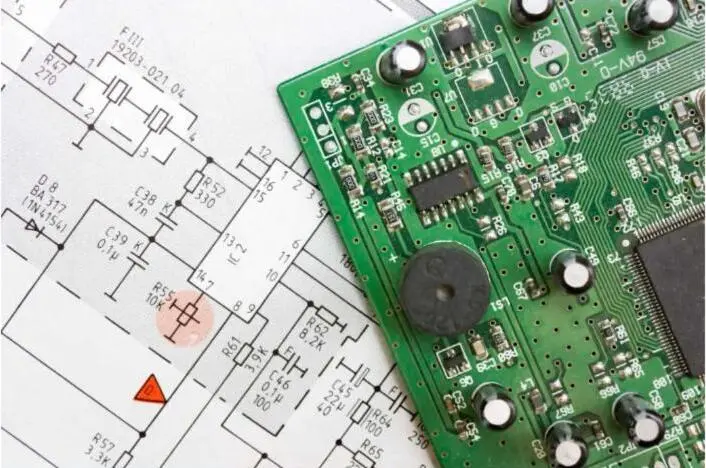
Most new products need DFM feedback before they reach stable, repeatable production. This feedback loop works best when the same team and processes handle both prototype and production builds. Pro-Active Engineering’s Speed Shop delivers rapid prototypes using full production processes. Successful prototype builds then scale directly into volume manufacturing without re-validation.
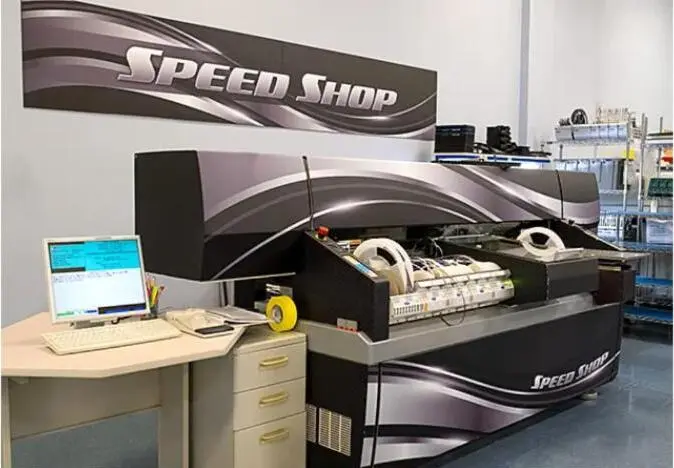
Discuss your prototype-to-production workflow to explore how an integrated model reduces hand-off risk on complex programs.
Pain Point 2: Vendor Fragmentation and Accountability Gaps
Complex PCB and PCBA projects with fine-pitch components, BGAs, functional testing, urgent schedules or repeat orders carry hidden management work. Fragmented vendor workflows often create more internal effort than the visible unit-price savings justify.
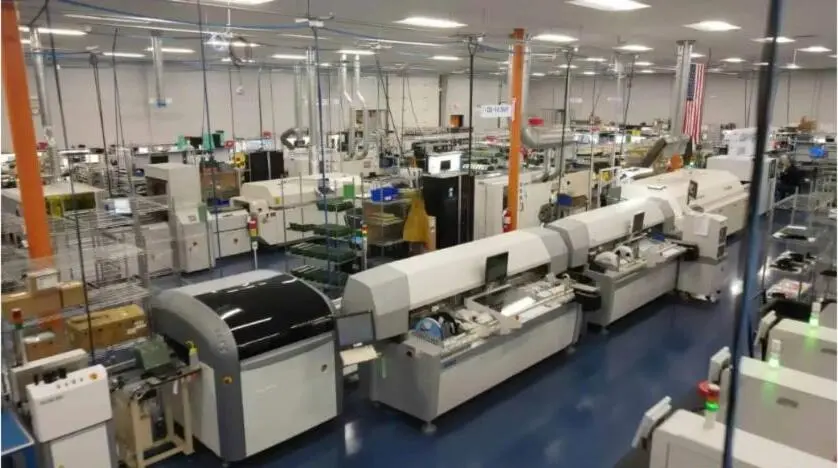
A unified assembly and box build approach creates a single chain of accountability. This structure improves traceability, enables faster root-cause analysis and delivers higher first-pass yields while reducing handling damage. Pro-Active Engineering consolidates PCB design, rapid prototyping, assembly, conformal coating, testing and box build under one roof in Sun Prairie, Wisconsin, which removes the coordination burden that fragmented sourcing creates.
Pain Point 3: Compliance and Traceability Exposure
Regulated programs require documentation that supports audits, customer inquiries and multi-year retention. Aerospace customers increasingly expect suppliers to show complete manufacturing history for critical components, including source materials, machines, operators, inspections and revision-controlled instructions.
ITAR compliance complements AS9100D certification for defense work. PCBA partners serving defense programs should hold both and maintain a full certification stack that covers quality management, aerospace standards, ITAR registration and special process controls. Counterfeit part avoidance should follow SAE AS5553B methodology, and BOM lifecycle risk should be managed through a structured tool such as SiliconExpert.
Pain Point 4: Advanced Interconnect and Thermal Requirements
Aerospace, defense and high-power industrial applications often need interconnect and thermal solutions beyond standard contract manufacturing capability. High-density interconnects and miniaturization increase sensitivity to electrical noise and signal interference.
These demands require end-to-end control of the assembly process. Pro-Active Engineering provides advanced interconnect and thermal management capabilities that support mission-critical, high-power and high-density applications under one accountable workflow.
Pain Point 5: Total Cost of Ownership
Engineering design decisions lock in most manufacturing cost long before production begins. Choices at the schematic stage determine stackup complexity, component sourcing risk and assembly yield, and those factors compound across a program lifecycle.
Fixing a defect during final assembly costs far more than addressing it during sub-assembly, and the cost rises again if the defect reaches the customer. A DFM allocation in engineering-led models shortens recovery cycles during production ramp. This approach follows the Rule of Ten in quality management, where the cost and time to correct defects increase by roughly an order of magnitude at each later phase. Consolidating vendors also reduces procurement labor, logistics overhead, inventory carrying costs and rework exposure across the full lifecycle.
What to Verify: Certifications, Traceability and Inspection Depth
Program managers evaluating ITAR-compliant PCB design and manufacturing partners should confirm specific certifications and quality systems before awarding work.
- ISO 9001:2015 baseline quality management system certification
- AS9100 aerospace quality management system covering traceability, configuration control and counterfeit part prevention
- ITAR registration current DDTC registration, with no lapse for ITAR-controlled programs
- Nadcap accreditation third-party validation of special process controls
- J-STD-001 soldering process standard
- IPC-A-610 Class 3 workmanship standard for high-reliability electronics
- JCP certification required for military distribution and export documentation
- CMMC readiness / NIST 800-171 alignment forward-looking data security posture for defense programs
- SAE AS5553B counterfeit avoidance methodology for component sourcing
AS9100 Rev D Clause 8.5.2 defines five components of identification and traceability. These include suitable identification, status identification, acceptance authority media controls, configuration management and a unique traceability link from finished part back to raw material and process history. A qualified partner should demonstrate all five elements, not only certification status.
Provider Comparison: How Common Models Differ
Engineers searching for a DFM focused PCB design partner often prioritize engineering integration, compliance depth and scalability from prototype to production. Several common provider models appear during evaluation.
One Michigan-based electronics manufacturing services provider has a strong history in defense and industrial markets. Its model includes PCB assembly and some engineering support, and its public positioning emphasizes volume manufacturing over integrated DFM-from-design services. Programs that require design-phase DFM ownership, advanced interconnect or thermal management may encounter capability gaps at the design-engineering layer.
Another provider operates multiple U.S. facilities and serves a broad range of industries. Its strength lies in scalable assembly capacity. Engineering integration and DFM-from-concept services appear less prominently in its public capability set, and advanced interconnect capabilities such as wire bonding or flip chip do not appear as core offerings.
One provider focuses on quick-turn PCB assembly and prototype services. It serves engineers who need fast builds but does not present itself as an engineering-led DFM partner with design, firmware, thermal management and system integration in one location.
One global supply chain and EMS provider offers offshore production options. This model introduces IP risk, logistics latency and compliance complexity that ITAR-controlled programs cannot accept. It does not operate as a domestic, ITAR-registered engineering-led partner.
Pro-Active Engineering integrates PCB design, firmware development, rapid prototyping, assembly, advanced interconnect, thermal management, conformal coating and box build under one accountable workflow at a single domestic facility. Its certification stack supports the compliance requirements of defense, aerospace and medical programs. The engineering-led model embeds DFM at the design phase instead of treating it as a final check before production transfer.
Evaluate fit for program requirements to determine whether this model matches current complexity and compliance needs.
Addressing Common Concerns About Integrated Partners
Program managers and purchasing leaders often raise four concerns when considering a transition to an integrated engineering-led partner.
On perceived higher unit cost, turnkey box build solutions reduce total cost of ownership by lowering logistics and freight costs, procurement labor, inventory carrying costs and quality rework compared with traditional sub-assembly models. Lifecycle cost provides a more accurate comparison than line-item unit price.
On loss of engineering control, Pro-Active Engineering operates as an extension of the customer engineering team. Design reviews, real-time program updates and transparent documentation keep the customer team involved in decisions throughout the program.
On onboarding disruption, transitions can begin with a pilot project that demonstrates performance before full production moves. Many programs see rapid gains in quality, communication and schedule predictability during this pilot phase.
On scaling concerns, Pro-Active Engineering’s model spans 1-piece MOQ prototypes through low-to-mid volume production runs. The same processes and quality controls apply at every scale, so programs do not outgrow the workflow as volume increases.
Decision Matrix: Matching Board Complexity and Industry Needs
The criteria below connect program characteristics to the provider model most likely to reduce risk and total cost of ownership.
Defense Programs
Defense programs require ITAR registration, AS9100 traceability, counterfeit part avoidance and documentation that supports long service cycles and audits. An engineering-led, ITAR-compliant domestic partner with Nadcap accreditation and JCP certification fits these needs. High-volume EMS providers and offshore brokers introduce compliance and IP risk that defense programs cannot absorb.
Aerospace Programs
Aerospace programs require AS9100 quality systems, IPC-A-610 Class 3 workmanship, advanced interconnect capability and thermal management for vibration and temperature-extreme environments. An integrated partner with in-house design, advanced packaging and system-level testing reduces hand-off risk on low-to-mid volume, high-complexity builds.
Medical Device Programs
Medical device programs require full traceability, controlled processes and documentation that supports regulatory submissions. An engineering-led partner with ISO 9001:2015 and disciplined quality management provides the documentation infrastructure that design-only firms and job shops cannot match at scale.
High-Power and Industrial Programs
High-power and industrial programs require thermal management solutions such as silver sintering, metal-core constructions and heavy copper integration. These needs often exceed the capabilities of standard assembly providers. A partner with in-house thermal engineering and advanced interconnect design reduces the risk of field failures in high-current, thermally demanding environments.
Due-Diligence Checklist and When an Integrated Model Fits
An engineering-led integrated partner fits best when one or more of the following conditions apply.
- The program involves ITAR-controlled technical data or defense articles that require domestic, registered manufacturing
- The design is in early development and DFM input at the schematic stage would reduce downstream redesign risk
- The program requires advanced interconnect, thermal management or high-density packaging beyond standard SMT and through-hole assembly
- The organization manages multiple vendors for design, fabrication, assembly and testing and absorbs the coordination cost internally
- Previous programs experienced late-stage manufacturability discoveries, prototype-to-production disconnects or compliance documentation gaps
- The program spans prototype through production and requires process continuity across all phases
A high-volume EMS provider often fits when the design is fully mature, volumes are large and engineering integration is no longer required. A design-only firm can support early concept work when manufacturing remains out of scope. Neither model alone provides prototype-to-production continuity or the compliance depth that high-reliability defense, aerospace and medical programs require.
Before selecting a partner, verify current certification status directly through IAQG-OASIS for AS9100. Confirm ITAR registration with DDTC, and request documentation of traceability practices, counterfeit avoidance procedures and inspection depth at the component, assembly and system level.
Conclusion: Why an Engineering-Led DFM Partner Matters
Fragmented vendor ecosystems create late-stage manufacturability risk, compliance exposure and accountability gaps that high-reliability programs cannot absorb. An engineering-led DFM partner consolidates design, prototyping, assembly, advanced interconnect, thermal management and certification under one accountable workflow and reduces program exposure from the first schematic through production delivery.
Pro-Active Engineering has operated this model since 1996. Its facility in Sun Prairie, Wisconsin integrates every phase of the electronics lifecycle under a full certification stack that covers quality management, aerospace standards, ITAR compliance and special process controls, with IPC-A-610 Class 3 workmanship and SAE AS5553B counterfeit avoidance built into daily operations.
Connect with the engineering team to discuss requirements for current or upcoming programs.
Frequently Asked Questions
What distinguishes an engineering-led DFM partner from a standard contract manufacturer?
A standard contract manufacturer typically receives a completed design and builds to it. An engineering-led DFM partner integrates manufacturability analysis, sourcing insight and quality planning into the design phase itself. This approach resolves process constraints, component lifecycle risks and compliance requirements before design release, instead of discovering them during first article inspection or production ramp. Pro-Active Engineering’s model embeds PCB design, firmware development and DFM review within the same workflow as prototyping, assembly and testing, so the engineering team that designs the board also remains accountable for building it.
How does Pro-Active Engineering maintain ITAR compliance across the full program lifecycle?
Pro-Active Engineering is ITAR-registered with the U.S. Department of State’s Directorate of Defense Trade Controls. The facility applies access controls, data-handling procedures, documentation practices and personnel training records consistent with ITAR requirements. The company also holds JCP certification and maintains NIST 800-171 alignment with CMMC readiness, which supports the data security posture that defense programs require. Counterfeit part avoidance follows SAE AS5553B methodology, and component sourcing is managed through SiliconExpert for BOM scrubbing and lifecycle risk mitigation. All of these controls operate within a single domestic facility and avoid the IP and logistics risk that offshore or multi-vendor models introduce.
Can Pro-Active Engineering support a program that starts with a prototype and scales to production?
Pro-Active Engineering’s Speed Shop delivers rapid prototypes using the same processes, inspection standards and documentation controls as full production builds. This continuity removes the need to re-validate processes or re-qualify workmanship standards during the transition from prototype to production. Programs can begin with a single-unit prototype and scale through low-to-mid volume production runs without changing partners, losing process history or rebuilding traceability documentation. The minimum order quantity is one piece, and the same quality management system governs every build regardless of volume.
What advanced capabilities does Pro-Active Engineering offer beyond standard PCB assembly?
Pro-Active Engineering provides capabilities that extend beyond the surface mount and through-hole assembly offered by many contract manufacturers. Advanced interconnect and packaging capabilities include wire bonding, flip chip assembly and hybrid high-density assemblies engineered for mission-critical performance. Thermal management capabilities include silver sintering, direct thermal path PCB technology, advanced metal-core constructions and heavy copper integration for high-current and thermally demanding applications. The company also provides PCB layout for high-speed and high-density designs, embedded control design, firmware and software development, mechanical integration, test fixture design and full box build and system integration, all in one facility.
How does Pro-Active Engineering handle programs transitioning from another supplier?
Transitions often begin with a pilot project scoped to a single assembly or program phase. This approach allows evaluation of quality, communication and turnaround before full production moves. Pro-Active Engineering’s onboarding process captures existing documentation, process history and compliance records so that traceability remains intact through the transition. The Manex ERP system provides real-time operational analytics and scheduling visibility, and customers receive regular program updates throughout the build cycle. Many programs that begin as pilot projects remain with Pro-Active Engineering through the full product lifecycle.