

Last updated: August 6, 2026
Key Takeaways for Regulated PCB Prototyping
- Late-stage DFM issues discovered after design freeze drive costly respins that add tens of thousands of dollars and weeks of delay.
- Multi-vendor handoffs create traceability gaps, compliance inconsistencies and quality risks across design, prototyping, assembly and validation.
- Selecting a DFM-focused partner means evaluating engineering depth, prototyping agility, manufacturing scope, certifications, supply-chain resilience and lifecycle support in one organization.
- Aerospace, defense and medical programs require early integration of ruggedization, ITAR compliance, counterfeit avoidance and regulatory documentation during the prototype phase.
- Pro-Active Engineering delivers integrated DFM-focused PCB prototyping services for complex regulated electronics. Share program details to begin a structured DFM review.
Six Criteria for Evaluating DFM-Focused PCB Prototyping Partners
Partner selection for regulated electronics programs rests on six connected criteria that shape cost, schedule and compliance outcomes.
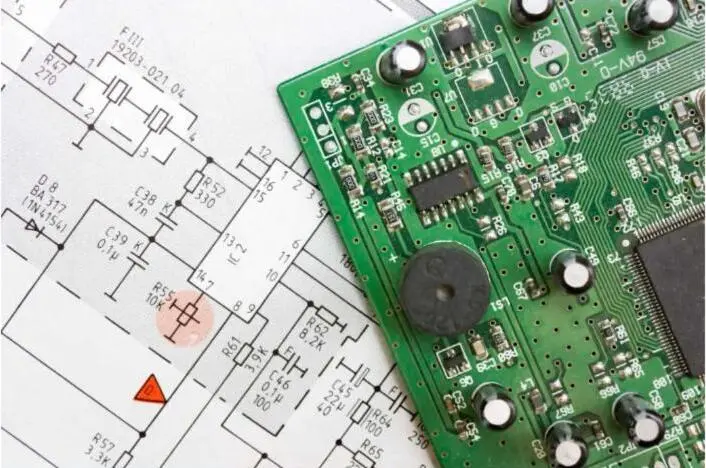
- Engineering depth. The partner must integrate DFM analysis, sourcing insight and quality planning into the design phase, not treat them as post-layout reviews. In-house PCB layout, embedded control design, firmware development and test fixture design under one roof keep decisions aligned. This engineering foundation only delivers value when the next step validates those choices at prototype speed.
- Prototyping agility. Production-ready prototypes built on the same processes as full-scale builds prevent a prototype-to-production disconnect. A dedicated fast-turn line with low minimum order quantities supports rapid iteration while preserving process fidelity. That agility must connect directly to broad manufacturing capability.
- Manufacturing scope. The partner should support surface mount and through-hole assembly, conformal coating, potting, box build and system integration. Gaps in scope force handoffs that reintroduce fragmentation risk. A complete scope then needs a matching quality and compliance posture.
- Quality and compliance posture. Certifications must align with the program’s regulatory environment. ISO 9001:2015, AS9100, ITAR registration, JCP certification and Nadcap accreditation each carry specific documentation and process requirements. A qualified partner maintains these as standard practice, which only works when the supply chain is equally controlled.
- Supply-chain resilience. BOM scrubbing, lifecycle risk mitigation and counterfeit avoidance methodology, supported by tools such as SiliconExpert and SAE AS5553B, protect programs from obsolescence-driven redesigns and counterfeit exposure. Strong supply chains then support long-term lifecycle management.
- Lifecycle support. A partner that scales from a single prototype to low-to-high volume production with full traceability and documentation control reduces total cost of ownership. Consistent processes across the lifecycle prevent requalification cycles and repeated validation work.
Advanced capability requirements, including tight-tolerance microvias, HDI stackups, wide operating-temperature performance and harsh-environment materials, should match documented production experience, not only a capability list.
The six criteria above apply across regulated electronics programs. Each industry sector then adds specific DFM requirements that shape how those criteria work in practice. The next sections show how aerospace, defense and medical programs apply this framework.
DFM Priorities for Aerospace PCB Prototyping
Aerospace electronics must survive vibration, temperature extremes and long service cycles that exceed standard commercial expectations. DFM for aerospace programs incorporates ruggedization requirements into early layout decisions. Conformal coating, potting and advanced interconnect structures function as design inputs that influence stackup, component placement and via strategy.
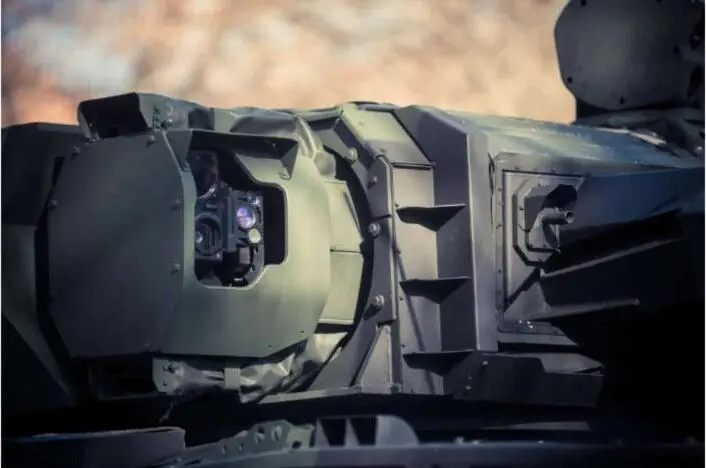
Long service cycles increase pressure on material selection and traceability. AS9100-certified manufacturers maintain full product traceability down to raw laminate lot numbers, copper foil suppliers, surface-finish chemicals and assembly components. OEMs often require record retention for extended periods. A DFM partner that builds these documentation needs into the prototype phase prevents traceability gaps as the program scales.
Architecture-phase design decisions lock in a large share of lifecycle cost for aerospace PCB programs. Engaging a manufacturing partner with strong engineering capability before schematic release, not after layout completion, reduces that cost exposure.
DFM Priorities for Defense Electronics
Defense programs require secure domestic manufacturing, robust traceability and disciplined counterfeit avoidance. ITAR-controlled technical data, including Gerber files, BOMs, schematics and assembly instructions, must remain restricted to U.S. persons throughout design and production. A manufacturing partner maintains documented access controls, personnel screening and compliance records to support this requirement.
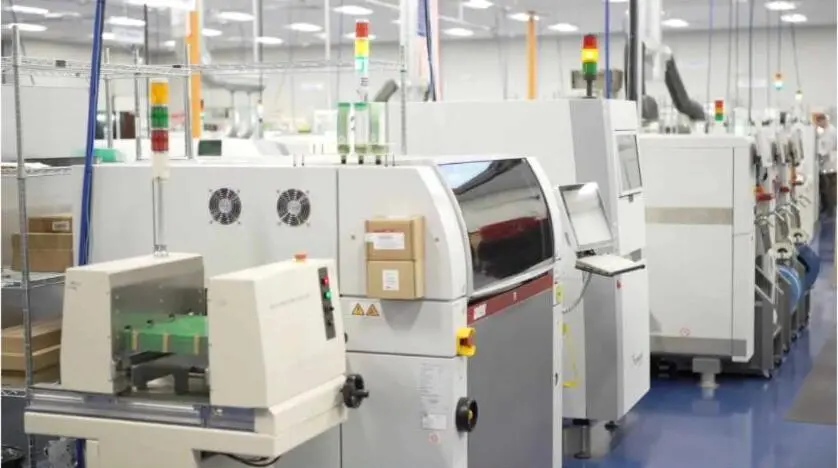
Counterfeit component risk affects the entire program. DFARS 252.246-7007 requires contractors to maintain an acceptable counterfeit electronic part detection and avoidance system, with flow-down obligations to all subcontractors that buy or sell electronic parts. A qualified partner applies counterfeit avoidance methodology, sources through authorized distributors and maintains documented chain-of-custody records that satisfy DFARS and AS9100 clause 8.1.4.
A recent survey of senior U.S. defense and aerospace leaders reported broad preparation for supply chain localization and reshoring, with resilience cited as the primary value of supply chain investment. Domestic manufacturing with full ITAR compliance and documented traceability now functions as a baseline requirement rather than a differentiator.
DFM Priorities for Medical-Device Electronics
Medical-device electronics require strong thermal management, continuous operation capability and detailed regulatory documentation. DFM for medical programs addresses heat dissipation during early layout, especially for space-constrained or implantable devices where thermal failure cannot be corrected in the field.

Latent reliability problems such as conductive anodic filament formation can trigger late-stage respins instead of appearing as immediate assembly defects. Early DFM analysis becomes critical for medical programs where field failures affect patient safety.
Regulatory documentation requirements extend across the product lifecycle. Medical device PCB manufacturing typically requires a Device Master Record and a Device History Record that define approved manufacturing documentation and record how each product was built. A manufacturing partner that embeds these documentation needs into the prototype phase, instead of reconstructing them later, reduces audit exposure and supports faster regulatory submissions.
Integrated Workflow from Design Review to Production
An integrated prototype-to-production workflow removes handoff risks that fragment accountability in multi-vendor models. DFM, sourcing insight and quality planning operate as a connected sequence under one roof.
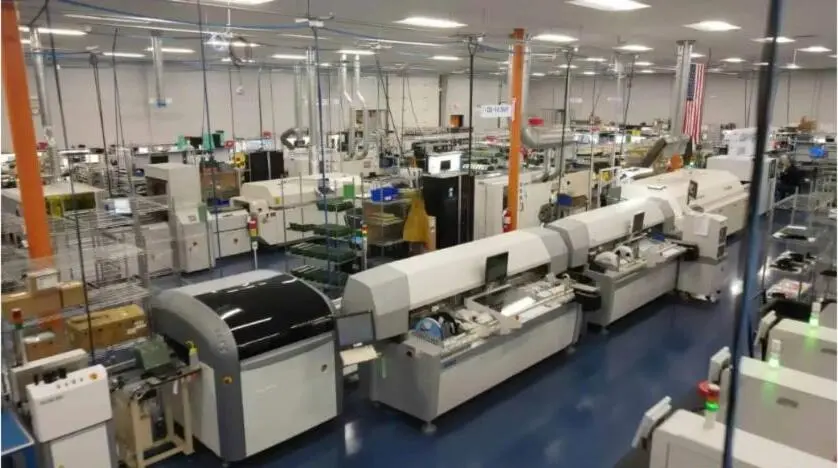
- Design intake and DFM analysis. Engineering reviews the schematic and preliminary layout against production capabilities, sourcing constraints and quality requirements before routing begins. Stackup, via strategy, component placement and material selection are confirmed at this stage.
- BOM scrubbing and lifecycle risk assessment. The team evaluates component availability, obsolescence risk and counterfeit exposure against the BOM before design freeze. Documented alternates prevent redesigns after freeze.
- Prototype build on production processes. The prototype uses the same SMT and through-hole processes, inspection standards and documentation controls as full-scale production. Successful prototypes then scale without process revalidation.
- Inspection and test. Automated optical inspection, functional testing and flying probe or in-circuit test verify assembly quality. Results link directly to each unit’s traceability record.
- Design review and production readiness. Engineering and manufacturing review prototype results together. Teams resolve DFM findings before production release, which prevents late-stage respins.
- Scalable production with full traceability. Production scales from low to high volume under the same quality system, documentation controls and certification posture established at the prototype stage.
Supplier transitions during scale-up often require repeating first-article inspections, validation testing, assembly qualification and process verification. Those activities consume engineering resources and delay production readiness. An integrated workflow avoids those transitions.
Certification and Traceability Foundations for Regulated PCB Prototyping
Regulated programs depend on a certification and traceability posture that covers design, manufacturing and supply-chain activity. The following standards shape aerospace, defense and medical work.
ISO 9001:2015 establishes the baseline quality management system, including process control, documentation, corrective action and customer satisfaction. It supports audit readiness across regulated sectors and functions as a prerequisite for AS9100.
AS9100 extends ISO 9001 with aerospace-specific requirements such as risk-based thinking, product safety management, configuration control, counterfeit part prevention and enhanced traceability. AS9100 builds on the detailed traceability expectations described in the aerospace section and formalizes them within a certified quality system.
ITAR registration requires documented access controls, personnel screening for U.S. person status, physical security controls and recordkeeping for all defense-article manufacturing activity. ITAR violations carry significant civil and criminal penalties, including potential personal liability for engineers, contractors and corporate officers.
JCP certification (DD Form 2345) authorizes access to military critical technical data and supports defense programs that involve export-controlled technical information.
Nadcap accreditation provides third-party validation of special processes, including soldering and conformal coating, against aerospace and defense standards. Many prime contractors require Nadcap as a condition of supplier qualification.
Counterfeit avoidance documentation must satisfy AS9100 clause 8.1.4, which requires a documented counterfeit parts prevention process with lot traceability back to source, and DFARS 252.246-7007, which mandates reporting and quarantining of suspect parts to the contracting officer and GIDEP.
How a Single U.S. Partner Reduces Total Cost of Ownership
A vertically integrated model reduces transitions and improves communication, risk control, timelines and accountability. For aerospace programs, that structure supports ruggedized assemblies with DFM, advanced interconnect, coating and system-level testing integrated from the first design review, not assembled from separate vendor outputs.
For defense programs, domestic manufacturing with ITAR compliance, documented traceability and counterfeit avoidance methodology reduces supply-chain exposure that offshore or fragmented models introduce. Compliance failures discovered after market release can trigger mandatory recalls that cost far more than initial compliance investments.
For medical-device programs, thermal management, continuous operation capability and regulatory documentation under one quality system reduce development cost and post-market audit exposure. A single partner that manages design through production maintains the Device History Record continuously instead of reconstructing it from multiple vendor records.
Vendor consolidation under a single supplier creates one point of accountability, standardized quality control, simpler communication, more predictable lead times and lower total cost compared with multi-vendor models. These benefits compound across long program lifecycles.
Addressing Common Concerns About Domestic DFM Partners
Lead-time risk. A dedicated fast-turn prototyping line built on production processes delivers short prototype timelines while preserving process fidelity. Proactive program management and real-time communication maintain schedule visibility.
Cost concerns. Per-unit cost comparisons between domestic and offshore manufacturing often ignore total cost of ownership factors such as supply-chain risk, quality issues and regulatory compliance. Post-freeze change-order overhead can add significant cost in aerospace and defense programs. Integrated DFM reduces those events.
Loss of control. An integrated partner operates as an extension of the engineering team, not a replacement. Regular design reviews, transparent reporting and shared documentation systems maintain engineering oversight while adding manufacturing depth.
Onboarding disruption. Pilot projects allow programs to validate performance before full production transfer. Many programs see rapid improvements in quality, communication and turnaround during the pilot phase, which reduces perceived transition risk.
Next Steps for DFM Reviews in Regulated Electronics Programs
The evaluation framework in this guide supports partner selection for aerospace, defense and medical-device programs. Engineering depth, prototyping agility, manufacturing scope, quality and compliance posture, supply-chain resilience and lifecycle support distinguish a DFM-focused PCB prototyping partner from a commodity assembler.
Pro-Active Engineering integrates all six criteria in a single Sun Prairie, Wisconsin facility. ISO 9001:2015, AS9100, ITAR registration, JCP certification and Nadcap accreditation support a wide range of regulated program requirements. The Speed Shop delivers production-ready prototypes on short timelines using the same processes as full-scale builds. Advanced interconnect, thermal management, conformal coating and box build capabilities remove handoffs that fragment accountability.
Frequently Asked Questions
What does DFM-focused PCB prototyping mean for regulated industries like aerospace and defense?
DFM-focused PCB prototyping integrates design for manufacturability analysis into the design phase before layout routing begins. For regulated industries, this includes evaluating stackup and via strategy against production capabilities, scrubbing the BOM for obsolescence and counterfeit risk, confirming material selections against durability and reliability requirements and aligning documentation practices with standards such as AS9100 and ITAR from the first design review. The result is a prototype built on production processes that transfers to full-scale manufacturing without extra revalidation cycles or late-stage respins.
How does Pro-Active Engineering support traceability requirements for aerospace and defense programs?
Pro-Active Engineering maintains a quality management system certified to ISO 9001:2015 and AS9100, which requires documented traceability from raw material and component lot numbers through final assembly and shipment. Each unit carries a traceable link to its material genealogy, process history, inspection records and configuration documentation. Counterfeit avoidance follows SAE AS5553B methodology, authorized distributor sourcing and BOM lifecycle management through SiliconExpert. ITAR-controlled technical data is handled under documented access controls, personnel screening and recordkeeping practices that satisfy DDTC requirements. These systems operate as standard procedure, not as custom exceptions.
What is the difference between a quick-turn PCB prototype and a production-ready prototype?
A quick-turn prototype focuses on speed and may use simplified processes, reduced inspection standards or non-production materials to accelerate delivery. A production-ready prototype uses the same SMT and through-hole assembly processes, inspection standards, solder materials and documentation controls as full-scale production. That distinction matters because a prototype built on non-production processes can pass design validation while failing in production due to differences in reflow profiles, placement tolerances or inspection criteria. Pro-Active Engineering’s Speed Shop delivers production-ready prototypes on short timelines so successful designs scale without process revalidation.
How does vendor consolidation reduce compliance exposure in medical-device electronics programs?
Medical-device programs require a Device Master Record and a Device History Record that document approved manufacturing processes and how each unit was built. When manufacturing spans multiple vendors, each supplier maintains separate records under separate quality systems, and the program team must reconstruct a unified compliance record. A single manufacturing partner maintains continuous documentation under one quality system, which removes that reconstruction burden and reduces the risk of gaps that create audit exposure. Integrated thermal management, conformal coating and system integration capabilities further reduce process handoffs that introduce quality variability and documentation inconsistency.
Can Pro-Active Engineering support programs that start with prototypes and scale to production?
Pro-Active Engineering manages the full electronics lifecycle from initial PCB layout and firmware development through rapid prototyping, low-to-high volume assembly, conformal coating, box build and system integration. Programs that begin with a single prototype in the Speed Shop use the same production processes, quality system and documentation controls that govern full-scale manufacturing. That continuity removes supplier transitions that would otherwise require engineering revalidation, repeated first-article inspections and process requalification. The same team, facility and quality posture support the program from concept through production.