
Last updated: July 30, 2026
Key Takeaways for Complex Domestic PCBAs
-
Reshoring momentum and export-control requirements are driving defense, aerospace and medical OEMs to reassess domestic PCBA sourcing strategies.
-
A structured eight-dimension evaluation framework helps identify capable U.S. electronics contract manufacturers for complex, high-reliability PCBAs.
-
Key dimensions include engineering depth, prototyping capability, manufacturing scope, quality and compliance, supply-chain resilience, scalability, lifecycle support and total cost of ownership.
-
Pro-Active Engineering demonstrates these capabilities through integrated design-to-assembly workflows, advanced interconnect and thermal management solutions and certifications including AS9100, ITAR and Nadcap.
-
Request a quote to start a capabilities review with Pro-Active Engineering.
Why Structured Evaluation Improves High-Reliability PCBA Sourcing
Generic vendor lists do not account for the compliance, engineering depth and lifecycle accountability that regulated programs demand. U.S. manufacturing revenue is projected to grow significantly in 2026, with capital expenditure increases focused on capacity expansion and automation aligned with policies such as the CHIPS and Science Act. That growth is expanding the domestic supplier base, which makes structured evaluation more important as options increase.
The eight-dimension framework below provides a repeatable checklist for vetting domestic high-reliability PCBA partners:
-
Engineering depth, including DFM integration, advanced interconnect capability and thermal management expertise
-
Prototyping capability, including turnaround speed, minimum order flexibility and use of production-equivalent processes
-
Manufacturing scope, including SMT, through-hole, conformal coating, box build and system integration under one roof
-
Quality and compliance, including ISO 9001:2015, AS9100, ITAR registration, JCP certification, Nadcap accreditation and IPC-A-610 Class 3
-
Supply-chain resilience, including counterfeit avoidance methodology, BOM lifecycle management and domestic sourcing controls
-
Scalability, including high-mix, variable-volume capability from prototype through production
-
Lifecycle support, including documentation control, traceability, rework standards and long-term program continuity
-
Total cost of ownership, including vendor consolidation, rework reduction, lead-time predictability and compliance risk mitigation
Certification standards set the compliance floor. AS9100D defines QMS requirements for aerospace and defense supply chains. ITAR registration and Nadcap accreditation are baseline expectations for high-reliability EMS providers serving those sectors. Medical programs add ISO 13485 and IPC-A-610 Class 3 requirements. Partners that hold all relevant certifications simultaneously reduce the compliance burden on the OEM.
Strategic Trade-offs in Domestic PCBA Partner Selection
Cost versus engineering integration is the central trade-off in domestic partner selection. Offshore programs carry inventory costs that often compress the apparent cost advantage when total cost of ownership is modeled. That effect is strongest for programs with long lead times and high mix. Domestic assembly reduces much of that hidden cost and adds engineering proximity and faster feedback loops.
Single-partner versus multi-vendor strategies create another trade-off. Fragmented supply chains distribute risk across vendors but introduce communication gaps, accountability gaps and prototype-to-production disconnects. A single integrated partner consolidates design, prototyping, assembly, coating, testing and box build under one quality system and one program manager.
Fast-turn prototyping versus production efficiency becomes a false choice when the partner uses production-equivalent processes for prototypes. U.S. EMS providers with dedicated fast-turn lines can deliver prototypes in days while maintaining the process discipline that governs full production runs. That continuity is critical for high-reliability programs where prototype yield must predict production yield.
Design complexity, interconnect density and thermal requirements narrow the qualified supplier pool significantly. Partners without advanced interconnect capabilities, such as wire bonding, flip chip and hybrid high-density assemblies, cannot support compact, mission-critical designs. Partners without engineered thermal solutions introduce reliability risk in high-current or thermally demanding applications.
Pro-Active Engineering’s integrated workflow addresses these trade-offs for complex programs. Discuss program requirements with the engineering team.
How the Eight Dimensions Apply to Pro-Active Engineering
Engineering depth. A significant portion of a product cost and designed-in quality is determined before the prototype build begins. Early DFM integration creates the strongest impact on program outcomes. Pro-Active Engineering embeds DFM into the design phase, with PCB layout, firmware development and manufacturing engineering operating within one workflow. Advanced interconnect capabilities, including wire bonding, flip chip and hybrid assemblies, extend that engineering depth to high-density applications that exceed traditional EMS scope.
Prototyping capability. Pro-Active operates a dedicated Speed Shop that delivers rapid prototypes using full production processes, with a minimum order quantity of one unit. That combination of speed, production fidelity and low MOQ supports R&D iteration while maintaining process continuity between prototype and production.
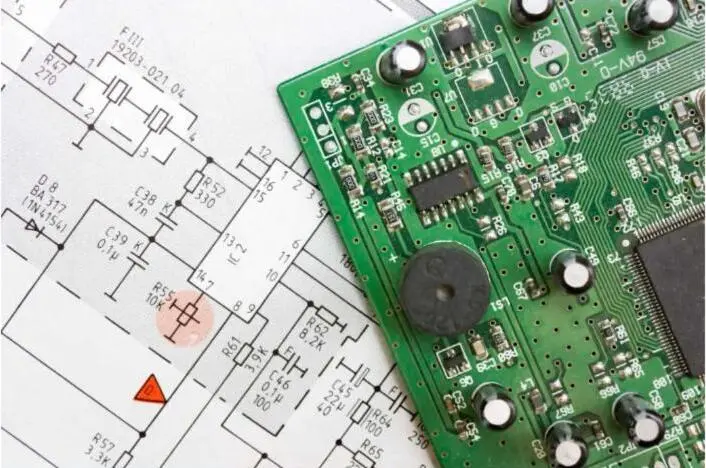
Manufacturing scope. The capability set at Pro-Active Engineering spans PCB layout and firmware development, SMT and through-hole assembly, automated optical inspection, flying probe and functional testing, conformal coating and potting and box build with full system integration. All services operate from a single facility in Sun Prairie, Wisconsin.

Quality and compliance. Pro-Active holds ISO 9001:2015, AS9100, ITAR registration, JCP certification (DD Form 2345) and Nadcap accreditation. The quality system aligns with IPC-A-610 Class 2 and Class 3, J-STD-001, IPC-7711/7722 and NIST 800-171. Nadcap accreditation requires independent annual audits of special processes and adds an external verification layer beyond internal QMS controls.
Supply-chain resilience. Pro-Active integrates SiliconExpert for BOM scrubbing and obsolescence risk management and applies SAE AS5553B counterfeit avoidance methodology. Domestic sourcing and ITAR-compliant material controls reduce geopolitical and IP exposure.
Scalability. High-mix, variable-volume capability allows Pro-Active to support programs from single-unit R&D builds through low-to-mid volume production runs. These stages proceed without handoffs between facilities or quality systems.
Lifecycle support. Full documentation control, traceability and rework standards aligned with IPC-7711/7722 support long-service-cycle programs in defense, aerospace and medical applications.
Total cost of ownership. Vendor consolidation, reduced rework through early DFM and predictable domestic lead times lower program cost over time compared with fragmented or offshore models.
Best Practices Across the PCBA Product Lifecycle
Design-for-manufacturability reviews conducted before Gerber file release identify fabricability, assemblability and testability issues early. This early intervention reduces engineering query back-and-forth and shortens the overall project schedule by catching problems before they reach production. Taking fabrication involvement even earlier, before design completion, extends this benefit by preventing material incompatibility issues that would otherwise cause lead-time delays.
NPI processes work best with structured first article inspection, control plan development and FMEA-based risk evaluation. Partners that support AS9145-aligned PPAP and APQP activities provide a documented risk management framework that regulated OEMs require.
Test strategy selection depends on volume profile, board complexity and reliability targets. Flying probe, in-circuit test, functional test or combined approaches each fit specific profiles. Custom ICT fixture development adds lead time and should be planned in parallel with design finalization.
Documentation control and traceability should be established at program launch. For defense and aerospace programs, full lot traceability from component sourcing to final delivery functions as a baseline requirement.
Readiness Checklist for Domestic PCBA Expansion or Consolidation
Program teams can use this checklist when vetting or onboarding a domestic high-reliability PCBA partner:
-
Confirm the partner holds ISO 9001:2015, AS9100, ITAR registration and Nadcap accreditation simultaneously
-
Verify IPC-A-610 Class 3 workmanship capability and on-staff certified trainers
-
Assess DFM integration and confirm that engineering operates within the manufacturing workflow, not as a separate handoff
-
Evaluate prototyping speed and confirm that prototypes use production-equivalent processes
-
Confirm advanced interconnect capabilities for high-density or wire-bonded assemblies
-
Review thermal management solutions for high-current or thermally demanding applications
-
Assess BOM lifecycle management and counterfeit avoidance methodology
-
Confirm full documentation control, traceability and rework standards
-
Evaluate scalability from prototype through target production volume without facility or quality-system handoffs
-
Request a pilot project or technical review before full program transfer
Schedule a capabilities review with Pro-Active Engineering and bring this checklist to the first conversation.
Common Pitfalls in PCBA Programs and How to Mitigate Them
Late discovery of manufacturability issues. When design and manufacturing operate in separate organizations, DFM feedback arrives after significant engineering investment. Mitigation: select a partner that integrates DFM into the design phase and conducts structured reviews before artwork release.
Prototype-to-production gaps. Prototypes built on different processes or equipment than production introduce yield surprises at scale. First-pass yield during ramp-up should stay within a narrow range of the pilot baseline. Large gaps indicate process discontinuity. Mitigation: require that prototypes use production-equivalent processes and equipment.
Ambiguous specifications. Incomplete BOMs and long-lead-time component shortages cause many PCBA project delays. Mitigation: complete BOM scrubbing, lifecycle risk assessment and specification review before program launch.
Overreliance on offshore sources. Offshore programs carry extended door-to-door lead times and tariff burdens that compress the apparent cost advantage for complex multilayer builds. Mitigation: model total cost of ownership, including carrying costs, compliance risk and lead-time variability, before comparing domestic and offshore options.
Mid-program compliance class changes. Switching from IPC-A-610 Class 2 to Class 3 mid-production requires requalifying all inspection criteria and adds weeks of delay. Mitigation: define the target IPC class at program launch and confirm that the partner is qualified to that standard before work begins.
Frequently Asked Questions on Complex PCBA Partnerships
What is the difference between PCB assembly and generic contract manufacturing?
PCB assembly refers specifically to the process of populating and soldering components onto a printed circuit board, including surface mount, through-hole and advanced packaging operations. Generic contract manufacturing is a broader term covering any outsourced production activity. For high-reliability programs, the distinction matters because PCBA requires specialized equipment, certified quality systems, advanced inspection capabilities and engineering integration that general contract manufacturers do not maintain. Pro-Active Engineering focuses exclusively on electronics design and manufacturing, which means every process, certification and engineering resource is oriented toward PCBA program success.
What is the role of a design firm versus an EMS provider for complex PCBA programs?
Design firms produce schematics, layouts and firmware but typically do not own manufacturing processes or quality systems. EMS providers manufacture to a design but may not offer engineering collaboration or DFM integration. The gap between these two models often creates prototype-to-production disconnects and late-stage manufacturability issues. An integrated partner such as Pro-Active Engineering combines PCB design, firmware development, DFM, rapid prototyping and full-scale assembly within one workflow and removes the handoff risk between design and manufacturing organizations.
Why do certifications like AS9100, ITAR and Nadcap matter for PCBA selection?
These certifications function as independently audited requirements that define how a manufacturer controls processes, manages documentation, handles export-controlled technology and executes special processes. AS9100 establishes the quality management system framework for aerospace and defense supply chains. ITAR registration is a legal requirement for handling export-controlled technology and is enforced by the U.S. Department of State. Nadcap accreditation covers special manufacturing processes and requires annual third-party audits. For OEMs in regulated industries, a partner that holds all relevant certifications simultaneously reduces compliance burden and audit exposure across the program lifecycle.
What should engineering teams look for in a partner for thermally demanding or high-density designs?
Thermally demanding designs require a partner with engineered thermal management solutions, not just standard PCB assembly. Relevant capabilities include direct thermal path technology, advanced metal-core constructions, silver sintering and heavy copper integration. High-density designs require advanced microvia and HDI stackup capability, advanced surface finishes and process controls that maintain signal integrity across complex layer structures. Partners should demonstrate these capabilities through documented process controls and engineering collaboration, not just equipment lists. Pro-Active Engineering provides thermal management and advanced interconnect solutions, including wire bonding and flip chip assembly, as part of its integrated manufacturing workflow.
Conclusion: Applying the Framework and Planning Next Steps
Selecting the right domestic partner for complex, high-reliability PCBAs requires more than a vendor audit. It requires a structured evaluation across engineering depth, prototyping capability, manufacturing scope, quality and compliance, supply-chain resilience, scalability, lifecycle support and total cost of ownership.
Program and engineering teams should:
-
Map internal requirements against the eight-dimension framework
-
Shortlist domestic partners that hold simultaneous AS9100, ITAR, Nadcap and IPC-A-610 Class 3 qualifications
-
Conduct technical reviews focused on DFM integration, advanced interconnect capability and thermal management solutions
-
Request a pilot project or site audit to validate process continuity from prototype through production
Pro-Active Engineering consolidates design, rapid prototyping, advanced assembly, thermal management and full system integration under one roof in Sun Prairie, Wisconsin. With 30 years of experience, a 45,000-square-foot facility and the certifications detailed earlier, Pro-Active Engineering is built for the complexity, compliance and lifecycle accountability that defense, aerospace and medical programs demand.
Connect with the Pro-Active Engineering team to begin a detailed capabilities review.