
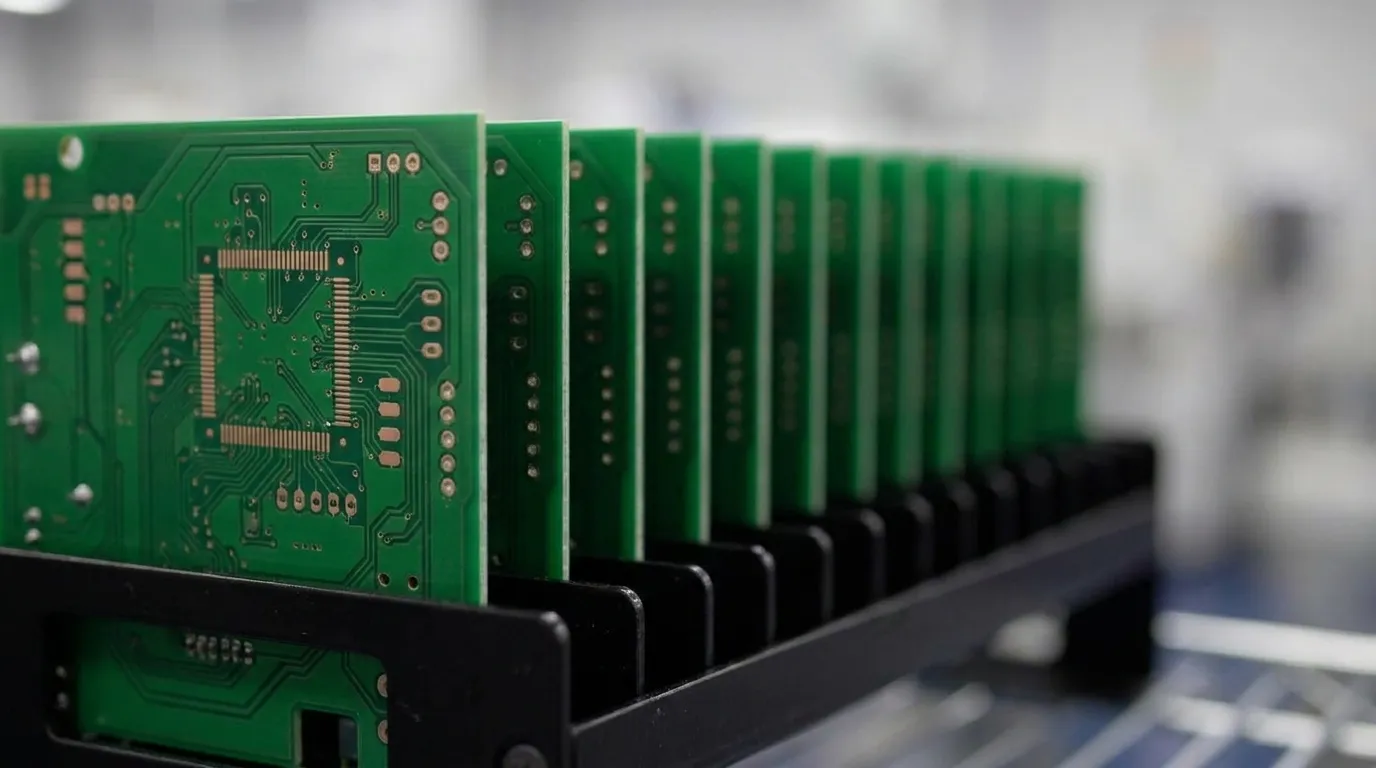
Key Takeaways for Silver Sintering in Power Modules
- Silver sintering delivers higher thermal conductivity and melting-point performance than traditional solder, which supports higher junction temperatures and longer lifetimes in SiC and GaN power modules.
- Pressure-assisted sintering provides tight void control and strong bonds for demanding reliability targets, while pressureless sintering reduces tooling cost and supports fragile dies and early prototypes.
- CTE mismatch between sintered silver and SiC drives the main reliability risk, yet fully sintered modules are projected to last four times longer than soldered equivalents under thermal cycling.
- Defense and aerospace programs must meet AS9100, ITAR and extended qualification testing requirements, and domestic manufacturing removes cross-border transfer risk and re-qualification exposure when switching partners.
- Pro-Active Engineering integrates silver sintering into a single AS9100-certified, ITAR-registered U.S. workflow from DFM through production. Request a quote to discuss a power module program.
Silver Sintering Fundamentals for Power Modules
Silver sintering forms a dense, nearly pure metallic bond with thermal conductivity several times higher than conventional solder. The process bonds SiC or GaN dies to substrates and substrates to baseplates at temperatures below silver’s bulk melting point. After sintering, the joint regains properties close to bulk silver.
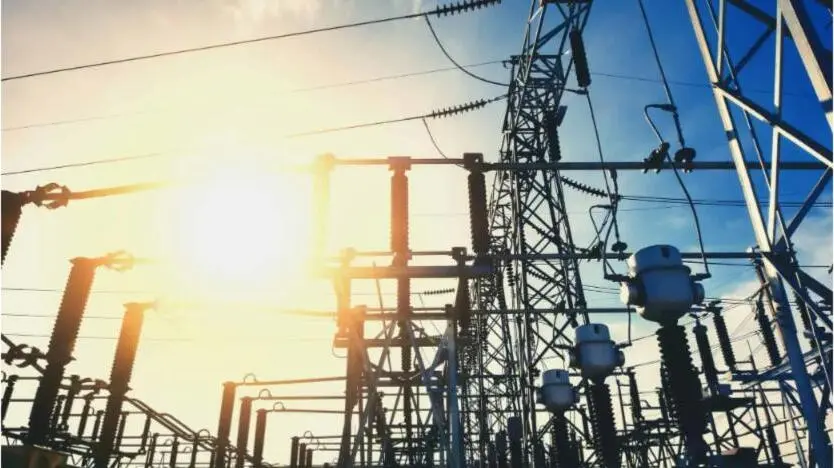
The process sequence for silver sintering in power module assembly typically follows this order:
- Paste deposition onto the substrate or die surface using screen printing, stencil printing or dispensing
- Drying or pre-bake to remove solvents and organic carriers from the paste
- Die or substrate placement with controlled alignment
- Sintering under controlled temperature and atmosphere, with applied pressure when required
- Post-sinter inspection using scanning acoustic microscopy, X-ray and die shear testing
- Qualification testing per applicable standards before production release
Nano-silver sintering achieves diffusion bonding at moderate temperatures and forms a dense all-metal silver skeleton. The post-sinter melting point returns to that of bulk silver, which remains well above the operating range of current SiC or GaN devices.
Request a quote to evaluate silver sintering for a specific power module program with Pro-Active Engineering’s advanced interconnect team.
Pressure-Assisted Silver Sintering for High-Reliability Modules
Pressure-assisted silver sintering applies mechanical force during the sintering cycle to improve bond quality. This approach supports lower cure temperature and delivers strong porosity control, thermal performance and shear strength compared with pressureless processing. The applied force accelerates particle contact, promotes neck growth and reduces void formation, which supports zero-margin automotive or aerospace reliability specifications.
Pressure-assisted sintering is projected to capture the largest market share in 2026 because it reduces voids during curing. This performance profile makes it the preferred route when automotive reliability specifications demand no margin for error on bond-line integrity.
The primary trade-off is equipment and tooling complexity. Pressure-assisted processes require a press that applies controlled, uniform force across the bond area without damaging the die or substrate. As bond areas grow, satisfying this requirement becomes more difficult. For large-area baseplate bonding, maintaining pressure uniformity across the entire surface introduces significant engineering challenges in tooling design. These complexity and cost factors make pressure-assisted approaches suitable for programs that require the highest bond density and thermal performance and that can support the tooling investment.
Key characteristics of pressure-assisted silver sintering include:
- Strong void reduction and porosity control compared with pressureless methods
- High achievable shear strength and thermal conductivity in the sintered joint
- Compatibility with large-area die-attach and baseplate-bonding applications
- Need for specialized press tooling and fixturing
- Preferred qualification path for programs with the most stringent reliability targets
Pressureless Silver Sintering for Flexible SiC Production
Pressureless silver sintering supports flexible process integration for prototype-to-production flows that avoid mechanical press equipment. Advances in paste formulation, including submicron flake geometries, nano-scale particles and improved binder systems, have narrowed the performance gap with pressure-assisted methods.
A 2026 study describes a microparticle-based Ag sintering paste for pressureless sintering at moderate temperatures in air or nitrogen. The material combines silver microparticles, silver metal organics and an innovative binder system to produce dense, void-free metallic interconnects without permanent organic resins.
Pressureless processes align well with programs where component fragility, substrate geometry or throughput constraints make press tooling impractical. The absence of applied force simplifies the equipment set and reduces the risk of mechanical damage to thin or fragile dies. Pressureless silver sintering uses existing reflow infrastructure, which lowers tooling overhead compared with pressure-assisted sintering, but it often requires longer cycle times. This equipment simplification supports faster process iteration cycles, which benefits prototype and early-production phases where design changes occur frequently.
Key characteristics of pressureless silver sintering include:
- No specialized press tooling required, which reduces capital and setup cost
- Compatibility with fragile dies and complex substrate geometries
- Faster process iteration for prototype and early-production phases
- Need for atmosphere control, such as nitrogen or forming gas, to achieve target joint density
- A narrowing performance gap versus pressure-assisted methods as paste formulations advance
Silver Sintering Reliability in SiC Power Modules
Long-term reliability in sintered silver-SiC joints centers on coefficient of thermal expansion mismatch. Sintered silver exhibits a CTE significantly higher than SiC substrates, with a ratio above 4:1 that induces shear and tensile stresses at elevated operating temperatures in silver-SiC power module joints. Under repeated thermal cycling, this mismatch drives fatigue accumulation at the bond interface.
Microcracks in sintered silver-SiC joints typically start at interface corners and edges where stress concentration peaks. Cracks then propagate through grain boundaries and porosity networks and can cause delamination under repeated thermal cycling.
Despite this mechanism, sintered silver outperforms solder in long-cycle reliability. Fully sintered silver modules are expected to last four times longer than fully soldered modules. Replacing soldered baseplate or die-attach interconnects with sintered silver reduces maximum die temperature and in turn doubles die lifetime.
Common failure modes and their drivers in sintered silver-SiC joints include:
- Interfacial fatigue cracking driven by CTE mismatch under thermal cycling
- Delamination that starts at bond-line edges and corners under repeated stress
- Porosity-assisted crack propagation through the sintered silver microstructure
- Thermal resistance increase as crack networks reduce effective bond area
To validate performance against these failure mechanisms, qualification standards for sintered silver-SiC assemblies include JEDEC JESD22-A104 for temperature cycling, IEC 60749-5 for steady-state humidity-bias life testing and AEC-Q101 for automotive-grade power modules. Acceptance criteria typically allow less than a defined percentage increase in thermal resistance with no visible delamination or cracking at the interface. For SiC-specific programs, ECPE guidelines and JEDEC JESD22-A122 extend upper temperature limits and adjust cycle counts to reflect high-temperature operating capability.
Silver Sintering Compared With Copper Sintering
Copper sintering has emerged as a cost-competitive alternative to silver sintering for power module die-attach. Copper sintering materials reduce cost of ownership in high-volume production while providing comparable thermal and electrical performance for many SiC and GaN power modules. Bulk thermal conductivity values of silver and copper are close, and the practical difference in sintered joints for wide-bandgap devices remains modest.
The main disadvantage of copper sintering is oxidation sensitivity. Copper oxidizes in air, and the resulting copper oxides degrade interconnect performance, conductivity, thermal conductivity, connection stability, reliability and lifespan in semiconductor power devices. Copper sintering therefore requires inert atmosphere processing and tighter process controls than silver, which adds complexity to the manufacturing environment.
Copper’s higher tensile strength and lower coefficient of thermal expansion compared with silver increase its potential for strong long-term reliability in thermal cycling and high-temperature environments. Earlier-generation copper sintering formulations, however, required higher temperatures and pressures than silver materials to achieve complete sintering, which increased the risk of damage to dies and substrates. Newer formulations from suppliers such as Henkel and Indium Corporation are narrowing this gap.
Silver sintering remains the established and better-characterized option for defense and aerospace programs where qualification data depth, process maturity and supply-chain traceability outweigh material cost. Silver or copper sintering both provide thermal conductivity well above that of solder preforms, but silver carries a longer qualification history in high-reliability programs and broader acceptance in existing military and aerospace standards frameworks.
Implementing Silver Sintering in U.S. Defense and Aerospace
Successful silver sintering in a defense or aerospace power module program requires more than paste selection and a process window. Programs need a qualification pathway that satisfies AS9100 documentation requirements, ITAR access controls and program-specific reliability acceptance criteria within a traceable and auditable production system.
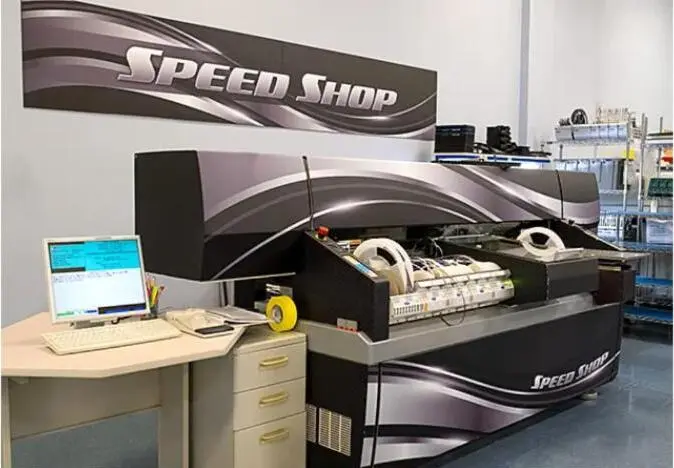
ITAR and Export Administration Regulations apply to bonding processes and equipment used in defense and aerospace applications and restrict cross-border transfer of process recipes and qualification data for silver sintering in high-reliability power modules. These rules make domestic manufacturing a compliance requirement for many programs. Offshore or multi-jurisdiction supply chains introduce transfer-control risk that domestic partners remove by design.
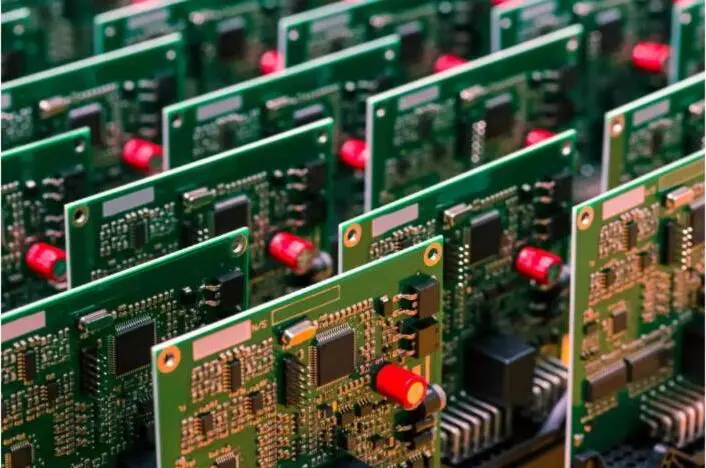
Qualification cycles for high-reliability bonding processes, including silver sintering for power modules, often require extended reliability testing programs. These programs cover temperature cycling, high-temperature storage life and accelerated stress testing. Programs that begin qualification late or that switch manufacturing partners mid-program absorb the full cost of re-qualification. Integrating the sintering process partner from the design phase avoids that exposure.
Pro-Active Engineering addresses this requirement directly. The AS9100-certified, ITAR-registered facility in Sun Prairie, Wisconsin consolidates silver sintering process development, DFM review, rapid prototyping and scalable production under one roof. Engineering and manufacturing operate within a single workflow, so sintering parameters validated during prototyping transfer directly to production without re-qualification risk from a supplier handoff.
The implementation workflow at Pro-Active Engineering follows this structure:
- DFM review of the power module design for sintering compatibility, including substrate metallization, bond-area geometry and thermal path architecture
- Paste and process selection, pressure-assisted or pressureless, based on program reliability targets, equipment constraints and qualification timeline
- Prototype build using production-representative processes through the Speed Shop rapid prototyping line
- Process validation including die shear testing, scanning acoustic microscopy and X-ray inspection
- Qualification testing per applicable JEDEC, IEC and program-specific standards with full documentation under AS9100 controls
- Production transfer within the same facility, which maintains process traceability and ITAR compliance throughout
Nadcap accreditation, JCP certification and alignment with NIST 800-171 and CMMC readiness requirements further support programs with strict documentation, personnel access and data-handling obligations.
Defense and aerospace programs with silver sintering requirements gain value from a single accountable partner. Request a quote to discuss power module sintering implementation with Pro-Active Engineering’s engineering team.
Frequently Asked Questions
Key Criteria for Selecting a U.S. Silver Sintering Partner
Engineers evaluating a U.S. silver sintering partner for a defense program should prioritize domestic manufacturing with ITAR registration, AS9100 certification and integration of sintering process development into the design phase rather than a downstream production step. A partner that performs DFM review, prototype builds, process validation and production under one roof removes the re-qualification risk that comes from transferring a validated process between vendors. Traceability, documentation discipline and experience with high-reliability qualification testing also matter for programs subject to government audit or customer source inspection.
How Silver Sintering Qualification Differs From Standard PCB Assembly
Silver sintering qualification for SiC and GaN power modules uses specialized reliability tests that extend beyond standard PCB workmanship inspection. Programs typically require temperature cycling per JEDEC and IEC standards, high-temperature storage life testing and accelerated humidity-bias stress tests. Acceptance criteria focus on thermal resistance stability, bond-line integrity under scanning acoustic microscopy and die shear strength retention after stress exposure. Power cycling tests apply realistic thermal gradients through electrical heating and use acceleration models to project operational lifetime. These tests extend qualification timelines compared with standard assembly qualification, which makes early process commitment and partner selection critical for program schedules.
Maintaining ITAR Compliance During Silver Sintering
Pro-Active Engineering is ITAR-registered and applies access controls, data-handling procedures, documentation practices and personnel training consistent with DDTC requirements. All silver sintering process development, prototyping and production occur within the domestic facility. Process recipes, qualification data and program documentation remain within the controlled environment and do not transfer to foreign nationals or offshore locations. This structure satisfies ITAR restrictions on cross-border transfer of bonding process data for defense and aerospace applications without adding a separate compliance layer for customers.
Prototype-Stage Silver Sintering Before Full Production
Silver sintering can be implemented on a prototype basis before full production qualification. Pro-Active Engineering’s Speed Shop rapid prototyping line uses production-representative processes, so sintering parameters developed during prototype builds transfer directly to the production qualification flow. This approach allows engineering teams to validate thermal performance, bond integrity and DFM assumptions before investing in full qualification testing. Starting with production-representative prototypes also reduces the risk of discovering process incompatibilities late in the qualification cycle, which often occurs when prototype and production processes sit with different partners.
Supply-Chain Security Advantages of Domestic Silver Sintering
Domestic silver sintering removes geopolitical and logistics risks associated with offshore advanced packaging. Process recipes, qualification data and production capacity remain within U.S. jurisdiction, which avoids export-control complications, foreign-supplier disruptions and extended logistics cycles. For programs subject to ITAR, domestic manufacturing often serves as a compliance requirement rather than a preference. Consolidating sintering, assembly, testing and system integration with a single U.S. partner also reduces vendor count, simplifies traceability and provides a single point of accountability for program performance.
Conclusion: De-Risking Advanced Power Module Interconnects
Silver sintering provides a proven, high-reliability interconnect solution for SiC and GaN power modules that operate beyond the limits of conventional solder. Selecting between pressure-assisted and pressureless approaches requires evaluation of reliability targets, equipment constraints and qualification timelines, not only paste datasheets. Successful implementation in a defense or aerospace program requires a domestic partner with AS9100 and ITAR controls, integrated DFM capability and a prototype-to-production workflow that keeps process data within a single traceable system.
Pro-Active Engineering delivers that structure in Sun Prairie, Wisconsin. From initial DFM review through AS9100-qualified production, the engineering and manufacturing teams operate within a single integrated workflow designed to reduce risk in advanced interconnect programs from day one.
Start a discussion about silver sintering for a power module program. Request a quote from Pro-Active Engineering today.