
Last updated: July 30, 2026
Key Takeaways
- Flexible PCBs provide lighter, thinner and durable interconnects that fit complex geometries and tolerate repeated motion in demanding applications.
- US flexible PCB manufacturers are gaining preference in 2026 as tariffs, supply-chain volatility and defense rules favor ITAR-compliant domestic production.
- Procurement teams can evaluate suppliers on six checkpoints: engineering integration, prototyping speed, manufacturing scope, quality systems, supply-chain security and scalability.
- Integrated US partners reduce program risk by consolidating design, fabrication, assembly, coating, testing and box build under one accountable team.
- Pro-Active Engineering offers an integrated domestic workflow with full certifications and advanced capabilities, and teams can discuss flexible PCB requirements with the Pro-Active team.
Six Checkpoints for Evaluating US Flexible PCB Manufacturers
Procurement and engineering teams evaluating US flexible PCB manufacturers can apply six recurring checkpoints to every candidate on a short list.
- Engineering integration: The supplier embeds DFM, sourcing insight and quality planning into the design phase instead of waiting until design is frozen.
- Prototyping speed: Prototypes run on full production processes, and the supplier delivers production-ready assemblies on a short-turn basis.
- Manufacturing scope: The supplier covers fabrication, SMT and through-hole assembly, conformal coating, testing and box build under one roof.
- Quality systems: Certifications and accreditations are active and align with the program’s regulatory requirements.
- Supply-chain security: Sourcing processes are ITAR-compliant and counterfeit-avoidance controls are documented.
- Scalability: The supplier moves from prototype to low, mid and higher-volume production without a handoff to a separate facility.
Each section below connects a common program pain point to these checkpoints and shows how an integrated domestic partner addresses it.
Vendor Fragmentation and the Manufacturing Scope Checkpoint
The first checkpoint, manufacturing scope, addresses a common pain point: vendor fragmentation. Managing separate partners for design, fabrication, assembly, coating, testing and system integration creates communication gaps at every handoff. When a design issue surfaces during assembly, accountability becomes diffuse and resolution slows. Domestic US production is gaining attention among companies that value control, shorter supply chains, faster communication, quality, traceability and delivery speed that cannot be compromised.
Pro-Active Engineering consolidates PCB design, rapid prototyping, assembly, conformal coating, testing and box build into a single integrated workflow at one facility in Sun Prairie, Wisconsin. One partner owns every step, which means one point of contact, one quality record and one accountable team when program requirements change.
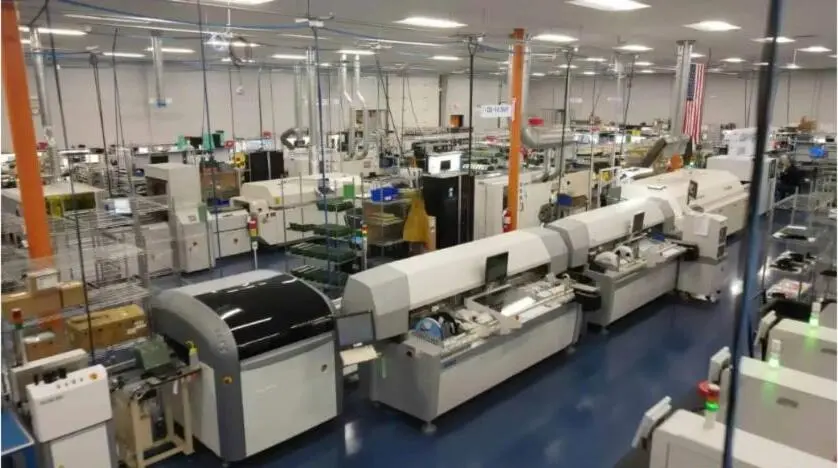
See how a consolidated workflow reduces program risk from the first build.
Early DFM Integration Prevents Late Cost Overruns
Late DFM discovery drives redesigns, delays and cost overruns. When manufacturability, sourcing and quality planning do not enter early, defects surface late in the program and force rework. Programs that moved PCB assembly to domestic facilities with tighter process control achieved meaningful defect rate reductions.
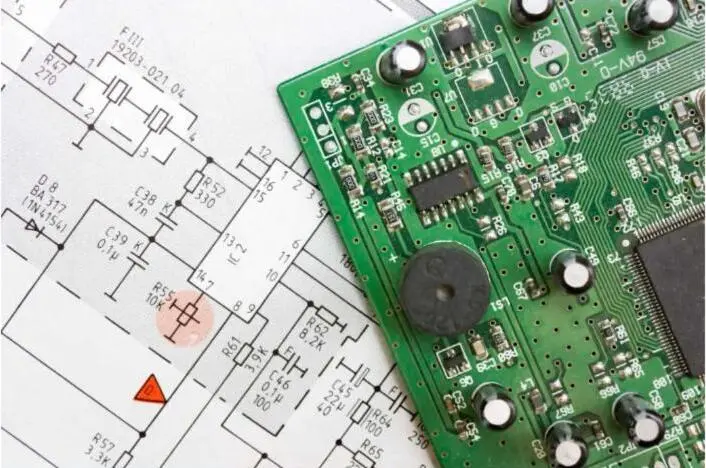
Pro-Active Engineering integrates DFM into the design phase. Engineering and manufacturing operate within one workflow, so stack-up decisions, component placement and thermal architecture are evaluated against production constraints before a single board is built. This approach reduces redesign cycles and supports a predictable transition to production.
Rapid Prototyping Speed Keeps Development on Schedule
Slow prototype cycles stall development and push out launch dates. Traditional contract manufacturers prioritize high-volume production, so prototype builds compete for capacity and often wait weeks for a dedicated run. US contract manufacturers deliver prototypes in days rather than the weeks-long door-to-door timelines associated with offshore sourcing.
Pro-Active Engineering operates a dedicated Speed Shop that builds production-ready prototypes on a rapid-turn basis using the same SMT and through-hole processes as full-scale production. Automated optical inspection is included on every build. Because prototypes use production processes, successful designs scale directly into manufacturing without process revalidation.
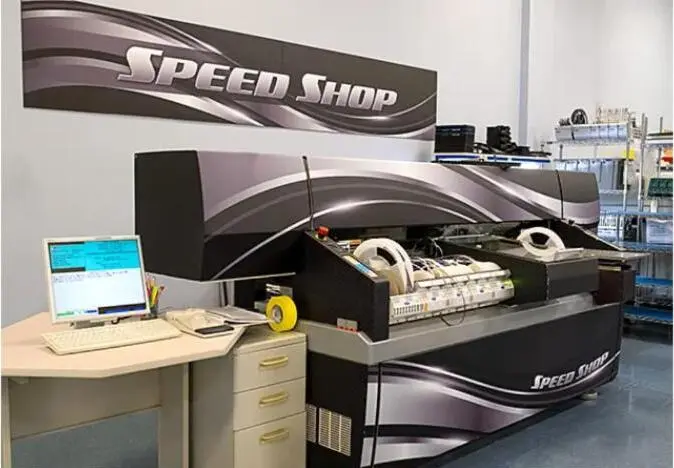
Share project details to start a rapid prototype build with the Speed Shop team.
Certification Gaps and Quality System Risk
Certification gaps create compliance exposure and slow approvals. Regulated industries require secure, traceable, high-reliability manufacturing. ISO 9001, AS9100 and ITAR compliance are table stakes for US electronics manufacturing partners serving aerospace, defense and high-reliability sectors. Suppliers that lack the right certifications can delay program approval or disqualify a product from regulated markets.
Pro-Active Engineering holds ISO 9001:2015, AS9100, ITAR registration, JCP certification (DD Form 2345) and Nadcap accreditation. The company also aligns to NIST 800-171 and maintains CMMC readiness. Workmanship standards include IPC-A-610 Class 2 and Class 3, J-STD-001 and IPC-7711/7722. Full documentation control and traceability are built into every production run.
Advanced Interconnect and Thermal Management for Product Longevity
Thermal and interconnect limitations shorten product life in demanding environments. Advanced aerospace, defense and industrial applications require compact, high-performance interconnect solutions that exceed the capability of standard PCB assembly. In high-current or thermally demanding environments, insufficient thermal management reduces reliability and shortens service life.
Pro-Active Engineering provides wire bonding, flip chip assembly and hybrid high-density assemblies for mission-critical interconnect requirements. For thermal management, the company offers silver sintering, direct thermal path PCB technology, advanced metal-core constructions, heavy copper integration and integrated dielectric structures. These capabilities reduce thermal resistance and extend product life in demanding operating environments.
Certification Matrix and Its Impact on Program Approval
ISO 9001:2015 establishes baseline quality management system requirements that govern process control, documentation and continual improvement across all manufacturing operations.
AS9100 builds on ISO 9001:2015 with aerospace-specific requirements. AS9100D, developed by the International Aerospace Quality Group, adds configuration management, risk management, product safety, supplier flowdown, counterfeit part prevention, special process validation, First Article Inspection and lifecycle traceability requirements. It is widely required by aerospace and defense primes and Tier 1 suppliers.
ITAR registration confirms that a manufacturer is registered with the Directorate of Defense Trade Controls and operates under the controls required for defense-related articles and technical data. ITAR controls the export and import of defense-related products and services on the US Munitions List and requires compliant manufacturers for defense articles.
JCP certification (DD Form 2345) qualifies a manufacturer to receive and handle militarily critical technical data, which many defense programs require.
Nadcap accreditation is a performance-based industry-managed accreditation for special processes in aerospace and defense manufacturing. It signals that controlled processes meet the rigorous requirements of aerospace primes and government customers.
Industry Use Cases and Matching Requirements to Capabilities
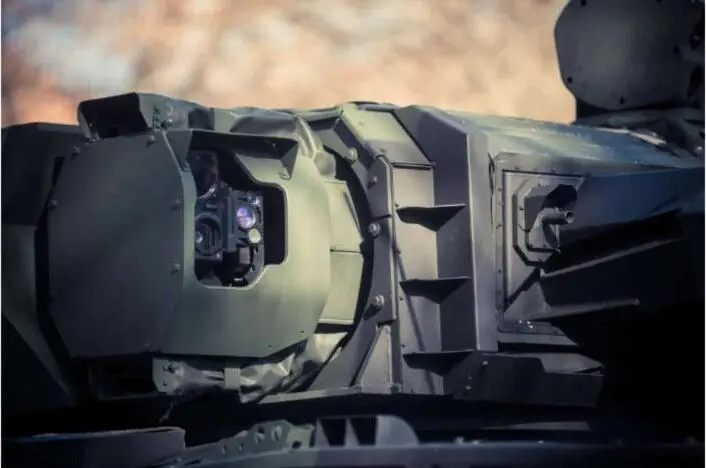
Aerospace programs demand assemblies that perform reliably under vibration, wide temperature swings and long service cycles. Manufacturer selection for aerospace and defense flexible PCB programs should prioritize AS9100 quality management certification, ITAR compliance, IPC Class 3 qualification and early DFM engagement. Pro-Active Engineering’s integrated engineering and manufacturing workflow, combined with AS9100 and Nadcap accreditation, supports aerospace customers that need a responsive, engineering-forward domestic partner for low-to-mid volume, high-complexity programs.
Medical device programs place patient safety at the center of every supplier decision. Medical flex PCB applications require ISO 13485 certification for quality management, with Class II and Class III devices needing design controls, supplier qualification, process validation, full lot traceability and CAPA systems. Pro-Active Engineering’s disciplined documentation, full traceability and IPC-A-610 Class 3 workmanship standards support the quality and compliance expectations of medical device programs.
Defense programs require secure, ITAR-compliant manufacturing with full traceability and controlled access to technical data. Pro-Active Engineering’s ITAR registration, NIST 800-171 alignment, CMMC readiness and SAE AS5553B counterfeit avoidance methodology address the security and documentation requirements that defense programs demand.
Supply-Chain Risk and the Case for Domestic ITAR-Compliant Sourcing
A China-origin PCBA faces an effective duty burden of 35% to 40% because of stacked Section 301 and Section 122 tariffs. Beyond tariff exposure, offshore sourcing introduces counterfeit component risk, intellectual property vulnerability and logistics uncertainty that can disrupt time-sensitive programs.
US-based fabrication provides stronger intellectual property protection through robust legal enforcement, standard confidentiality agreements and secure data management practices compared to offshore options. Pro-Active Engineering’s domestic, ITAR-compliant manufacturing, combined with SiliconExpert BOM scrubbing for lifecycle risk and obsolescence management and SAE AS5553B counterfeit avoidance controls, gives program managers a supply chain they can audit, trace and trust.
Decision Checklist for Short-Listing Flexible PCB Suppliers
Engineering and procurement teams can apply the following checklist when evaluating US flexible PCB manufacturers:
- The supplier holds active AS9100, ISO 9001:2015 and ITAR registration relevant to the program.
- DFM is integrated into the design phase instead of occurring only after design is complete.
- Prototypes are built on full production processes, which enables direct scale-up.
- The supplier offers fabrication, assembly, coating, testing and box build under one roof.
- Counterfeit avoidance controls are documented and aligned to a recognized standard.
- The supplier maintains full lot traceability and documentation control for every build.
- The supplier can demonstrate advanced interconnect and thermal management capabilities for high-density or high-power designs.
- The supplier aligns to NIST 800-171 and pursues CMMC readiness for CUI handling.
- The supplier can scale from prototype to low, mid and higher-volume production without a facility handoff.
Next Steps for Engaging an Integrated US Partner
Teams gain better outcomes when they clarify internal requirements before supplier outreach. Start with program certifications required, since these determine which suppliers can handle the work. Next, define prototype timeline and volume, which reveals whether supplier capacity matches the development schedule.
Then identify advanced capability needs such as wire bonding or thermal management, because these specialized processes narrow the field further. Finally, document supply-chain security requirements including ITAR and counterfeit avoidance, which govern how components are sourced and controlled throughout production.
Use that requirements map to build a supplier questionnaire that covers quality certifications, DFM process, prototyping capability, manufacturing scope, traceability systems and scalability. Request a virtual capability review to see the facility, meet the engineering team and confirm that the supplier workflow matches program needs.
Pro-Active Engineering supports this process from the first conversation. The team reviews project details, identifies DFM considerations early and provides a clear path from prototype to production. Begin an engagement with the Pro-Active Engineering team and align requirements with capabilities.
Frequently Asked Questions
What certifications should a US flexible PCB manufacturer hold for aerospace and defense programs?
Aerospace and defense programs typically require AS9100 quality management certification, ITAR registration and IPC-A-610 Class 3 workmanship compliance as a baseline. AS9100 adds aerospace-specific requirements on top of ISO 9001:2015, including configuration management, counterfeit part prevention, First Article Inspection and lifecycle traceability. For programs involving militarily critical technical data, JCP certification is also required. Nadcap accreditation signals that special processes meet the performance expectations of aerospace primes and government customers. Pro-Active Engineering holds these certifications and accreditations, along with NIST 800-171 alignment and CMMC readiness for programs involving controlled unclassified information.
How does an integrated design-to-production workflow reduce program risk compared to using multiple vendors?
When design, fabrication, assembly and testing are split across multiple vendors, each handoff introduces a communication gap. Manufacturability issues discovered late in the process require redesigns that delay schedules and increase cost. An integrated workflow places engineering and manufacturing within the same team, so DFM, sourcing constraints and quality planning are addressed during design rather than after it. Pro-Active Engineering operates this way by design. The result is fewer redesign cycles, a predictable transition from prototype to production and a single accountable partner for the entire program lifecycle.
What advanced capabilities distinguish a full-service flexible PCB partner from a standard fabricator?
Standard fabricators produce bare boards. A full-service partner adds assembly, advanced interconnect, thermal management, conformal coating, functional testing and system integration. For high-density or high-power applications, advanced capabilities such as wire bonding, flip chip assembly, silver sintering, direct thermal path technology and heavy copper integration are required to meet reliability and performance expectations. Pro-Active Engineering provides these capabilities under one roof, so advanced packaging and thermal solutions are engineered alongside the PCB design rather than added later by a separate supplier.
Why is domestic US manufacturing increasingly preferred over offshore sourcing for flexible PCBs in regulated industries?
Regulatory requirements, tariff exposure and supply-chain risk have shifted the calculus toward domestic sourcing. ITAR regulations require that defense-related designs and manufacturing remain within the United States. Tariff stacking on offshore assemblies has narrowed the landed-cost advantage of offshore production, particularly for complex flex and multilayer boards. Domestic manufacturing also delivers shorter order-to-delivery lead times, same-time-zone engineering coordination, real-time production visibility and stronger intellectual property protection. For aerospace, defense and medical programs where traceability and compliance are non-negotiable, a domestic ITAR-compliant partner reduces regulatory exposure and total program risk.